Introduction
In today’s fast-paced world, many parents and educators seek educational methods that foster independence, creativity, and emotional intelligence. As they explore options, they often type phrases like “Montessori near me” or “Montessori school near me” into search engines in hopes of finding guidance. Understanding the principles of educacion montessori can significantly affect their search.
Our website features a convenient Montessori locator tool that helps families find schools in their area, exemplified by links like Montessori near me or examples of specific schools like Montessori school near me.
Home Environment
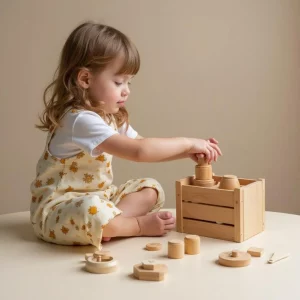
Creating a Montessori-inspired home environment is foundational for implementing this educational approach. It encourages children to take charge of their learning and fosters independence. For instance, parents can establish a dedicated space in the kitchen where children can safely prepare their own snacks. Consider a low cupboard filled with healthy options like fruits, nuts, and child-sized utensils, allowing children to serve themselves. Such changes promote self-sufficiency and decision-making.
Practical Application
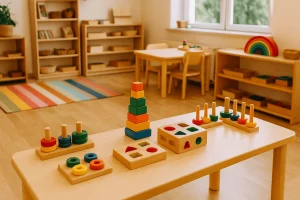
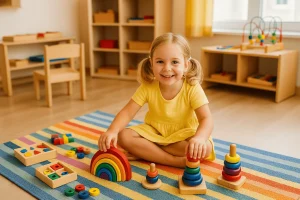
In a Montessori setting, teachers adapt the environment to meet children’s needs. Imagine a classroom where shelves are organized by activity type, allowing students to choose their projects. For example, a teacher might set up a shelf with materials for practical life skills, such as pouring, sweeping, or folding, enabling students to explore these activities at their own pace. This adaptation not only reduces dependence on adult assistance but nurtures a sense of pride and accomplishment.
Additionally, parents can create inviting reading nooks sprinkled with books accessible on low shelves and comfortable seating. This fostering of a reading culture encourages children to develop a love for literature independently.
School Environment
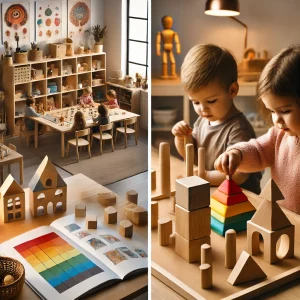
The Montessori school environment is designed to facilitate learning through exploration and collaboration. Classrooms are typically organized into learning areas where children engage with materials that foster curiosity and skill development.
For example, in a mixed-age classroom, older children may take on leadership roles by guiding younger peers in activities. This interaction builds a community and nurtures social skills, making learning more dynamic. A student may help a younger friend learn to use a math manipulative, thus reinforcing their understanding while fostering social bonds.
Encouraging Self-Regulation
In a Montessori classroom, students learn to self-regulate their behavior, which is essential for emotional development. An example can be seen when a child is offered the choice to either work on an assigned task or engage with a personal project. A child who feels overwhelmed may benefit from a “peace corner,” a designated space within the classroom where they can take a moment to collect their thoughts and emotions. Such self-directed strategies help build resilience and emotional intelligence.
Emotional Development
The emphasis on emotional development within educacion montessori is essential for nurturing well-rounded individuals. Maria Montessori believed that children thrive when they feel respected and understood, which creates an environment where they can freely express their emotions and develop empathy. Teachers act as guides, offering tools and language to help children articulate their feelings. For instance, a teacher might introduce “feelings cards” with images depicting various emotions, facilitating discussions around feelings and appropriate responses.
Building Empathy
An effective way to cultivate empathy in students is through storytelling. In the Montessori curriculum, children are encouraged to share stories from their lives, which helps them understand and connect with the experiences of others. When a child listens to a peer recount a challenging moment, they are learning to empathize, and the whole classroom benefits from such openness.
Conclusion
As you explore Montessori education, remember the resources available to you. The Montessori Maria platform and its AI assistant MarÍA provide invaluable information and assistance in your journey towards implementing these principles in your home and school. A deeper understanding of educacion montessori can empower you, regardless of how you engage with this innovative educational methodology. Through practical application at home and in school, we can foster environments that nurture children’s emotional well-being and independence.
For more insights, feel free to explore our complete guide on Montessori pedagogy: Understanding the Montessori Method for Parents and Educators, and learn about Maria Montessori’s powerful legacy here.
Embracing a Montessori approach may transform your educational experience. It’s a journey well worth taking!