Introduction
As parents and educators search for the best environments to foster learning and development, many find themselves typing phrases like “Montessori near me” or “Montessori school near me” into their search engines. This growing interest reflects a global recognition of the benefits of the Montessori approach, which emphasizes autonomy, respect, and hands-on learning. For those looking to explore Montessori education, our website offers a valuable Montessori locator tool to help families identify schools and resources in their area, making it easier than ever to connect with this revolutionary pedagogical philosophy.
Creating a Montessori Home Environment
The Montessori philosophy starts at home as much as it does in the classroom. Creating a conducive environment at home can promote independence and give children the tools they need to learn effectively. Here are practical ways to incorporate Montessori principles in the home.
Montessori-Inspired Kitchen Space
One of the best places to start is the kitchen. A family can create a Montessori-inspired kitchen by setting up a child-sized cooking space. This might include a small table and chairs, utensils within reach, and easy-to-manage food items for preparation. For example, parents can let their children wash vegetables or prepare simple snacks independently. This not only builds life skills but also fosters a sense of accomplishment and self-regulation—a core tenet of Montessori education.
Adaptive Furniture and Organization
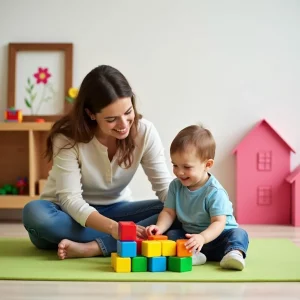
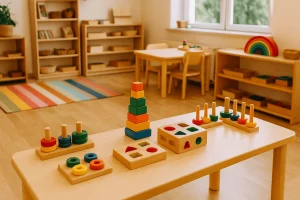
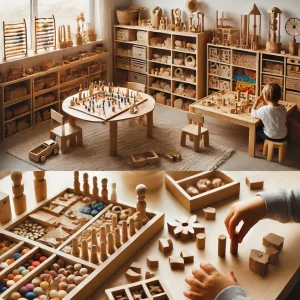
Another essential aspect of a Montessori home is the setup of furniture and learning materials. By arranging shelves with accessible items that cater to their child’s interests, parents can instill a sense of independence. For example, using low shelves for books and toys allows children to choose their activities freely. This promotes decision-making skills and encourages spontaneity in learning. To dive deeper into the principles of Montessori education, consider exploring our guía completa sobre la pedagogía Montessori.
Fostering a Montessori School Environment
While the home lays the groundwork, the school environment is equally crucial in supporting a Montessori educational experience. Educators and administrators play a pivotal role in creating a setting that nurtures creativity and intellectual curiosity.
Adapting Classrooms for Child Independence
With trained educators, Montessori classrooms are designed to stimulate learning. For instance, a teacher might adapt shelves to introduce more complex activities as students grow. Within a mixed-age classroom, younger children can learn from their older peers, while older students can reinforce their skills by teaching someone else. This collaborative learning environment enriches the experience for everyone involved.
Cultivating Emotional Development and Self-Regulation
Emotional growth is a core aspect of the Montessori philosophy. In a Montessori school, educators often incorporate activities that promote self-regulation and conflict resolution. For example, children might learn to discuss their feelings during circle time or engage in role-play scenarios to practice empathy. By allowing kids to navigate their emotional landscape with guidance, they develop confidence and resilience. To gain insights into this philosophy, refer to our introducción a la pedagogía Montessori.
Emotional Development in Montessori Education
Emotional development is a pillar of the Montessori method and plays a significant role in a child’s overall learning journey. The education approach creates a nurturing environment that teaches children how to understand their emotions, develop social skills, and cultivate a sense of community.
Encouraging Communication and Collaboration
Montessori classrooms are structured to promote collaboration. For instance, teachers might group students for projects or cooperative learning experiences, helping them navigate interpersonal skills while working toward common goals. Through these shared experiences, children learn to communicate effectively, find solutions collaboratively, and respect diverse perspectives. This collaborative framework prepares kids for future academic and social endeavors.
Promoting Self-Discipline and Responsibility
Additionally, a significant focus is placed on fostering self-discipline. In a Montessori environment, children are often given choices about what to learn and when, encouraging them to take responsibility for their educational journey. An example might be a student choosing to spend an extended period on a project that fascinates them, thus developing a capacity for focus and dedication. With guidance from their teachers and peers, they learn the importance of commitment and the rewards that come from seeing their efforts through.
Conclusion
As parents and educators look to cultivate environments that support children’s growth and learning, the Montessori method presents a powerful approach that emphasizes independence, emotional development, and hands-on engagement. By merging home and school experiences with Montessori principles, families can create a holistic learning ecosystem. For further exploration of Montessori education, visit our website for resources and articles, such as our comprehensive guide found in the Montessori pedagogy guide.
Interested in finding a school nearby? Utilize our Montessori school near me service to find the right fit for your child. Whether you are a parent looking for resources or an educator seeking meaningful tools for your classroom, Montessori Maria and its AI assistant MarÍA offer a wealth of information to guide you on this transformative educational journey.
Don’t miss our latest articles on the Montessori method: