Understanding the Growing Interest in Montessori Education
In today’s fast-paced world, many families find themselves searching for “Montessori near me” or “Montessori school near me” as they seek guidance for their children’s educational journey. The unique approach that Maria Montessori offers has captured the attention of parents and educators alike. Our website provides a Montessori locator and helpful guides that can assist you in navigating the Montessori landscape. You can explore these resources to find a Montessori school nearby, like the Montessori school in Terni, Umbria, which exemplifies the principles of this remarkable educational methodology.
A Brief Biography of Maria Montessori
Maria Montessori was born on August 31, 1870, in Chiaravalle, Italy. She was one of the first women in Italy to earn a medical degree and became a pioneering figure in the field of education. Her observations of children and their learning processes led to the development of the Montessori Method. This methodology emphasizes self-directed activity, hands-on learning, and collaborative play. Montessori’s work was revolutionary, and her educational concepts have influenced countless schools and educators around the world. The culmination of her life’s work is encapsulated in her writings and the Montessori schools that continue to operate today, reflecting her profound legacy in education.
Applying Montessori Principles in Real Life
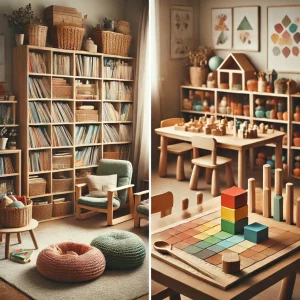
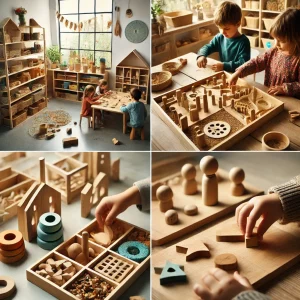
Bringing the principles of Montessori pedagogy into the classroom or home can be an enriching experience. For instance, a teacher might reorganize their classroom environment to foster independence and autonomy among students. This could involve creating specific learning stations that encourage exploration and discovery, such as a reading corner, a math station with tactile materials, and a science area filled with tools for hands-on experiments.
Creating a Montessori-Inspired Home Environment
Parents can also apply Montessori principles at home. One effective approach is to prepare a child’s room in a way that promotes independence. This could include low shelving filled with accessible books and materials, child-sized furniture, and areas designated for specific activities such as art, reading, or building. Encouraging children to choose their activities and work at their own pace fosters a sense of responsibility and enhances their self-esteem. With simple adjustments, a child’s room can become a rich environment for personal growth.
Learning Through Experience
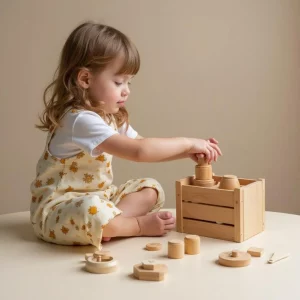
The essence of the Montessori approach lies in experiential learning. Children are encouraged to engage directly with their environment and learn through meaningful activities. For example, a classroom may incorporate gardening into the curriculum, allowing children to plant seeds, observe the growth process, and learn about nutrition. Such experiences promote not only cognitive growth but also respect for nature and an understanding of life processes.
Encouraging Collaboration and Social Interaction
Social interaction is another critical area where Montessori principles excel. In a collaborative learning environment, older students can mentor younger ones, creating a sense of community. A teacher might organize group projects that require teamwork and communication. For instance, students might work together to create a presentation on a topic of interest, allowing them to learn from one another while also developing essential interpersonal skills.
Resources for Parents and Educators
For those eager to dive deeper into the Montessori philosophy and its applications, resources abound. The Montessori Maria website offers extensive guides that delve into the essentials of Montessori education, and our AI assistant, MarÍA, is available for inquiries and support on your Montessori journey. Whether you’re seeking to understand the principles of the Montessori Method or looking to implement changes in your practice, you’ll find valuable information tailored for parents and educators.
A Pathway to Success
As parents and educators explore the Montessori philosophy, they open doors to unique educational experiences for their children. Through the implementation of these principles, they instill a love for learning, critical thinking skills, and personal responsibility. The legacy of Maria Montessori continues to thrive, and her teachings remain relevant in modern education.
Conclusion: The Future of Montessori Education
In conclusion, the interest in Montessori education is a testament to its effectiveness and transformative potential. As families continue to search for educational options, the demand for Montessori programs will likely grow. The resources provided by the Montessori Maria website serve as a vital hub for those eager to understand and embrace this enriching educational approach. Together, we can honor Maria Montessori’s legacy and create learning environments that nurture the independent, curious minds of today’s children.