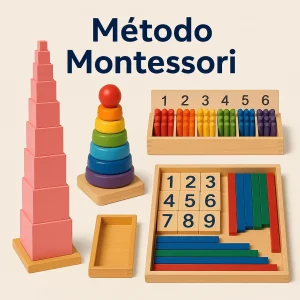
Introduction to Montessori Education
As parents and educators across the globe search for the best educational approaches for their children, phrases like “Montessori near me” or “Montessori school near me” frequently pop up in online queries. These searches reflect a growing interest in a child-centered educational philosophy that fosters independence, critical thinking, and a lifelong love of learning. To assist in this journey, our website offers a helpful Montessori locator tool, making it easier than ever to find local Montessori resources and schools, such as Montessori schools in Terni, Umbria.
The Home Environment
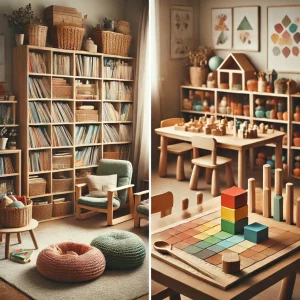
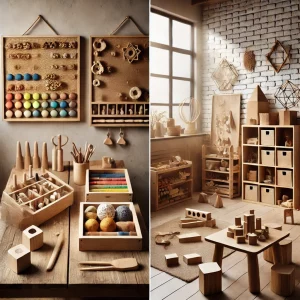
Creating a Montessori-inspired environment at home begins with understanding the principles of Montessori education. By focusing on independence and self-regulation, parents can establish spaces that promote learning and exploration. For example, a family might designate a corner of their kitchen as a Montessori-inspired space, complete with child-sized utensils and a low table. This approach allows children to participate in meal preparation, fostering a sense of accomplishment and independence.
Let’s Talk About Practical Life Skills
Practical life skills are central to Montessori education and can easily be integrated into daily routines. Consider implementing activities such as pouring water, folding laundry, or setting the table. By creating opportunities for children to engage in these tasks, parents encourage autonomy while also teaching valuable life skills. In this context, it’s essential to remember that the goal is not perfection but rather the process of learning and mastering new abilities. More in-depth resources can be found in our complete guide on the Montessori pedagogy.
Creating a Child-Centered Space
Another way to encourage a Montessori home is through thoughtful organization. Shelves should be easily accessible, allowing children to choose their activities freely. For instance, a parent might adapt the shelves by placing different materials at various heights to cater to their child’s development stage. This encourages independence, as children can select their work without constant adult intervention. Parents can also curate activities that promote sensory exploration, such as music, art, or nature walks, fostering a love for discovery and learning.
The School Environment
In the Montessori school environment, teachers play a crucial role in facilitating a child’s development. Unlike traditional education models, Montessori educators observe and guide rather than direct. For instance, a teacher might notice a child’s interest in nature and present materials that allow for exploration, such as plant biology or gardening activities. This personalized approach makes learning meaningful and relevant to each child.
Encouraging Self-regulation and Focus
Another hallmark of Montessori education is the emphasis on self-regulation. Students are often taught to work at their own pace, managing their time and choices. For example, a child might select an activity to complete and then reflect on their focus during that time. This practice allows them to understand their learning habits and areas for improvement. As a parent or educator, understanding these dynamics is vital. For a deeper exploration of Montessori’s foundational principles, don’t hesitate to read our introduction to Montessori pedagogy.
Fostering Independence and Confidence
Fostering independence is also evident in how classrooms are structured. Montessori classrooms are designed to be child-centered, with materials organized so that individuals can easily access what they need. This not only promotes independence but also instills a sense of confidence as children take ownership of their learning. Educators are trained to create lessons tailored to individual interests, ensuring students remain engaged and excited about their educational journey. The Montessori Maria platform and its AI assistant MarÍA can further guide parents and educators in this endeavor, providing customized recommendations for fostering a positive learning environment.
Emotional Development
Emotional development is a key component of Montessori education, focusing on social skills and emotional intelligence alongside cognitive growth. In a Montessori setting, children learn to appreciate diversity, cooperation, and respect for others. For example, during group projects, children practice communication skills, collaboration, and empathy, all of which are crucial for emotional development.
Building Empathy and Understanding
An excellent example of this approach is a classroom activity where students engage in storytelling sessions. By sharing their own experiences, children can develop empathy and begin to understand different perspectives. This kind of open dialogue not only enhances their social skills but also helps them learn to navigate complex emotions. Resources and tools to further understand Montessori’s educational psychology can be found in our latest articles, such as Understanding the Montessori Method.
Supporting Emotional Regulation
Montessori education supports emotional regulation by providing students with strategies to manage feelings appropriately. For instance, teachers might introduce calming techniques, allowing children to learn how to handle frustration or disappointment. This skill is crucial, as the earlier children learn to self-regulate their emotions, the more equipped they become in facing challenges throughout life.
Conclusion
In conclusion, integrating Montessori principles into both home and school environments can have a profound impact on a child’s development. Parents and educators interested in this educational philosophy can explore a wealth of information available online. To further enhance your knowledge, be sure to check the latest articles we’ve published, including Understanding Montessori: A Comprehensive Guide for Parents and Understanding Maria Montessori. With resources like the Montessori locator and guides available on our website, you can start your Montessori journey today. Remember, the search for “Montessori school near me” or “Montessori near me” can lead you to transformative experiences for your child!