Introduction to Montessori Pedagogy
As more families embark on the educational journey of their children, many begin by searching for “Montessori near me” or “Montessori school near me.” This search signifies a growing interest in the Montessori method, which emphasizes child-centered learning and independence. If you find yourself in this situation, look no further than our global Montessori locator available at Montessori near me. Here, you can find global resources like Montessori schools in Oberursel, Germany and many others tailored to your location.
Understanding Montessori Pedagogy
Montessori pedagogy is based on several core principles that foster a nurturing and supportive environment for children. These principles include the prepared environment, autonomy, observation, and sensory learning, among others. Understanding and applying these principles can significantly enhance the educational experience for both children and educators. For a deeper dive, you may also want to consult our guía completa sobre la pedagogía Montessori.
The Prepared Environment
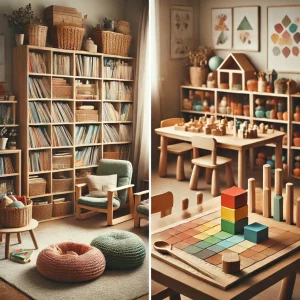
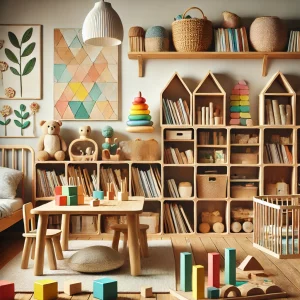
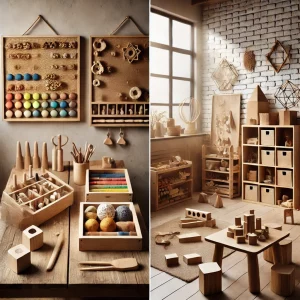
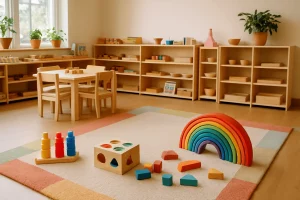
One of the fundamental aspects of Montessori pedagogy is the prepared environment. This refers to a learning space that is thoughtfully organized, aesthetically pleasing, and accessible to children. Imagine transforming a traditional classroom into a Montessori setting. In a traditional classroom, desks may be arranged in rows, creating a rather formal atmosphere. However, in a Montessori classroom, you would create open spaces, allowing children to move freely and choose their activities. Materials such as books, art supplies, and manipulatives would be organized on shelves at the child’s level, encouraging independence. This prepared environment enables children to explore and engage with their learning actively.
Autonomy
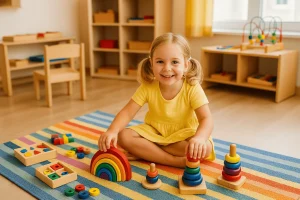
Autonomy is another critical principle in Montessori pedagogy. Empowering children to make choices fosters a sense of agency and encourages self-directed learning. For instance, if you are a student teacher planning your first Montessori environment, you might offer a selection of activities each day rather than a prescribed lesson plan. Allowing children to choose between art, science experiments, or reading promotes a love for learning and increases engagement. All children respond positively to having a voice in their education; thus, embracing autonomy is essential for their development.
Observation
Observation is a cornerstone of Montessori education that fosters personalized learning. Instead of direct instruction, educators are encouraged to observe children closely. This allows them to assess each child’s interests, skills, and developmental needs. For instance, during a typical session, a teacher might notice a child showing an interest in counting. Using this observation, the educator can introduce materials that support math skills, catering to that individual child’s curiosity while enhancing their learning experience. This method of observation ensures that the education is tailored, engaging, and productive.
Sensory Learning
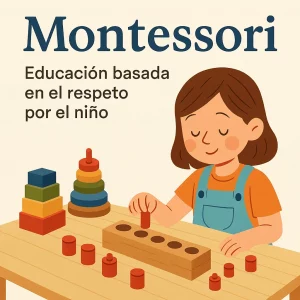
Lastly, sensory learning forms the backbone of Montessori pedagogy. Children learn best through their senses; therefore, incorporating hands-on materials and experiences is vital. Imagine a traditional classroom where children learn about shapes through worksheets. In a Montessori setting, you could have children using geometric solids that they can touch, manipulate, and explore, helping them grasp concepts more meaningfully. This focus on sensory learning not only aids cognitive development but also nurtures a child’s innate curiosity.
Real-Life Application of Montessori Principles
Implementing Montessori principles in educational settings, whether traditional or newly established, requires intentionality and thoughtful planning. If you are an educator transitioning from a conventional system to a Montessori-based approach, consider creating a strategy to modify your existing classroom. Start with decluttering, rearranging furniture, and sourcing Montessori materials that align with your curriculum. This holistic approach not only transforms the physical environment but also sets a new tone for the learning experience.
For New Educators: Planning Your First Montessori Environment
For those who are new to the Montessori method, planning your first environment can be an exhilarating but challenging experience. Begin by creating a vision board that captures the essence of a Montessori classroom. Include elements like natural materials, a variety of learning tools, and spaces for group collaboration as well as individual study. You can also explore the introducción a la pedagogía Montessori to familiarize yourself with the foundational concepts and practical tips from experienced educators.
Maria Montessori’s Influence
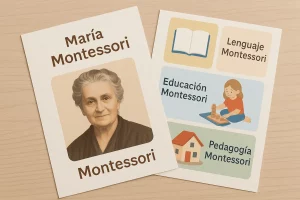
A critical figure in the development of this educational philosophy is María Montessori herself. Learning about her life, methodology, and insights into child development can profoundly impact your approach as a parent, educator, or future teacher. Delving into her teachings will allow you to understand the profound respect for children as capable, independent individuals.
Resources and Further Reading
Understanding the Montessori method is an ongoing journey that can benefit both children and educators alike. To help you on this journey, we recommend further reading from our website. You can find a comprehensive overview of Montessori education in our detailed article “Understanding Montessori Education,” as well as valuable insights into the Montessori philosophy, practical strategies, and the pedagogical underpinnings of the method.
Conclusion
In summary, Montessori pedagogy stands as a transformative approach to education, fostering independence, creativity, and a lifelong love for learning. Families and educators who are navigating these interesting methods can cultivate rich learning environments that mirror the foundational principles outlined here. Whether you are searching for a school or embarking on your journey as an educator, the Montessori Maria website serves as an invaluable resource to guide you.
With the right approach, dedication, and resources, you can inspire young minds through the powerful practices of Montessori pedagogy. For more insights, explore articles like “Montessori Classroom Setup” and other essential resources that will inform and enhance your understanding. Your journey into Montessori education begins now!