Introduction to Montessori Pedagogy
As families embark on the educational journey of their children, many begin searching for “Montessori near me” or “Montessori school near me.” This quest often leads them to discover the best-fit educational surroundings for their little ones. Our website offers a global Montessori locator to help parents find nearby options at Montessori near me, as well as local examples like Oberursel, Germany. This article explores the fundamental principles of Montessori pedagogy, aiming to provide insights for parents, educators, and teacher-training students.
Understanding Montessori Principles
Montessori pedagogy is built upon several core principles that foster a unique learning experience. These principles include:
- Prepared Environment
- Autonomy
- Observation
- Sensory Learning
Prepared Environment
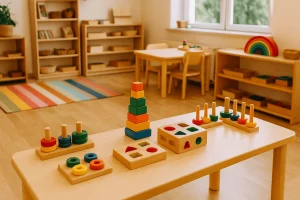
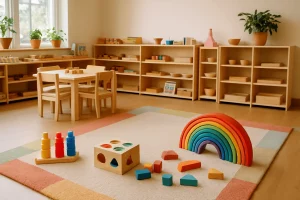
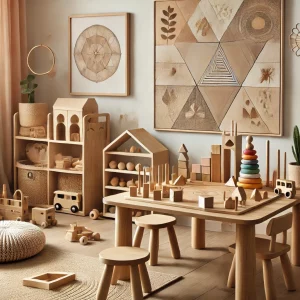
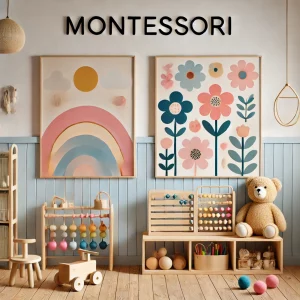
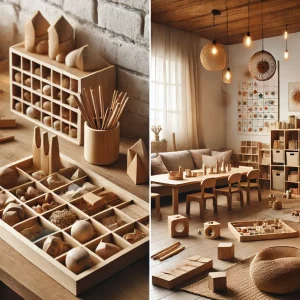
A prepared environment is one of the cornerstones of Montessori education. It is designed to be child-centric, where materials are within reach and promote self-directed learning. Imagine a traditional classroom being adapted for Montessori principles: desks are replaced with low tables, open shelves house various learning materials, and spaces for creative activities are designated, inviting students to explore at their pace.
Autonomy
Autonomy empowers children to make choices regarding their learning. In a Montessori setting, students are encouraged to select their activities based on their interests. For instance, a student teacher planning their first Montessori environment can encourage children to choose between a math activity, a reading corner, or an art station – fostering independence and decision-making skills. This approach supports their developmental needs and ensures deeper engagement with the material.
Observation
Observation is vital for understanding each child’s needs and interests. By carefully observing how students interact with materials and engage with peers, educators can tailor their guidance and support. For example, if a teacher notices a child struggling with a math concept, they might introduce new materials or provide additional one-on-one support to help the child progress without interrupting the flow of the other students.
Sensory Learning
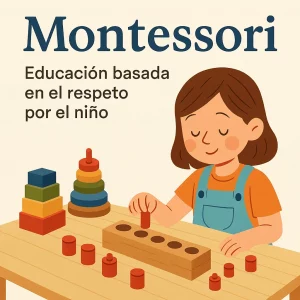
Montessori emphasizes sensory learning, where children engage their senses to explore and understand the world. Materials such as textured objects for tactile exploration or practical life activities like pouring and sorting enable children to learn through hands-on experiences. An educator new to the Montessori approach might incorporate these sensory activities into their lesson plans, enriching the students’ learning experiences.
The Role of Educators in Montessori Settings
In Montessori classrooms, educators serve as guides rather than traditional authority figures, facilitating learning rather than directing it. They carefully observe and assess children to provide individualized support. If a teacher-in-training is embracing Montessori methods, they will prioritize creating an atmosphere of trust and respect, understanding that every child is on a unique learning journey.
Applying Montessori Principles in Different Educational Settings
It’s beneficial for parents and educators to understand how Montessori principles can be applied in various educational settings. Here are practical applications:
Adapting a Traditional Classroom
For a traditional classroom setting transitioning to Montessori, the first step is to reorganize the classroom layout. This could mean eliminating rigid rows of desks for flexible, child-friendly seating arrangements. Additionally, educators can introduce Montessori materials that are accessible and varied, allowing for choice and independence. Training sessions on the essence of introduction to Montessori pedagogy would be instrumental for teaching staff during this transition.
Creating a New Montessori Environment
For a student teacher developing their first Montessori environment, the focus should be on creating spaces that promote exploration and discovery. This might include setting up areas dedicated to art, science, language, and practical life skills. Materials should be carefully selected to stimulate curiosity and accommodate various learning paces, nurturing children’s innate desire to learn. The process of planning can be guided with insights from guía completa sobre la pedagogía Montessori.
Benefits of Montessori Education
Montessori education offers a variety of benefits. Children in these environments often show improved academic performance, heightened social skills, and increased love for learning. The focus on self-direction allows them to become more responsible and aware of their actions. As parents actively participate in this educational model, they can observe firsthand how their children thrive in such settings.
Common Misconceptions About Montessori Education
Despite its growing popularity, several misconceptions surrounding Montessori education persist. For instance, some parents might think it lacks structure; however, the reality is quite the opposite. Montessori settings are structured through well-defined materials and activities, providing both freedom and boundaries for children. Another common misconception is that Montessori is only for younger children; in fact, its principles can be applied across all age groups.
Connecting with the Montessori Community
Connecting with other parents and educators can further enrich the Montessori experience. Engaging in local Montessori groups, workshops, or online communities can provide valuable support and insights. Resources such as the understanding Montessori education guide can help address frequently asked questions and concerns.
Final Thoughts
Montessori pedagogy offers a transformative approach to education that emphasizes respect, independence, and the natural development of children. It encourages families and educators to seek out resources and guidance to create effective learning environments. As parents search for “Montessori near me,” they are embarking on a wonderful journey towards understanding their children’s needs and fostering their love for learning.
For more insights and the latest articles on Montessori education, feel free to explore our website at Montessori Maria.