Embarking on the Montessori Journey
In today’s world, many families begin their journey into educational methods by searching for “Montessori near me” or “Montessori school near me.” This interest signifies a growing awareness of the unique and effective approaches found in Montessori pedagogy. Remarkably, our website offers a global Montessori locator at Montessori near me, which can help families find local schools and resources. For those in Oberursel, Germany, additional examples are available at this link.
Understanding Montessori Pedagogy
Montessori pedagogy, developed by María Montessori, is grounded in several fundamental principles that shape how children learn and engage with their environment. These principles include the prepared environment, autonomy, observation, and sensory learning, among others. In this article, we will explore these concepts in detail, providing practical examples of how they can be effectively implemented in various educational settings.
The Prepared Environment
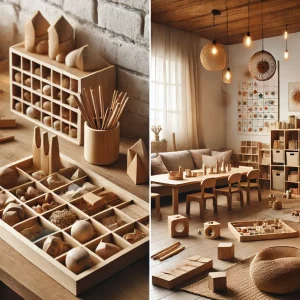
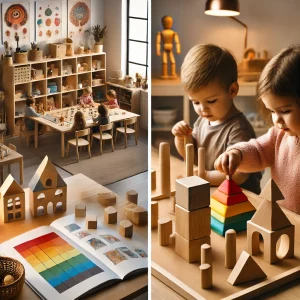
The prepared environment is one of the cornerstone principles of Montessori education. It refers to the carefully designed learning space that encourages independence and exploration. For instance, consider a traditional classroom transforming into a Montessori environment: the teacher can rearrange desks into activity areas, introducing materials and resources that are accessible to the children. They could utilize open shelves stocked with educational toys, puzzles, and books organized by theme. This adjustment allows students to navigate the space freely, fostering a sense of ownership over their learning.
Autonomy
Autonomy is another crucial aspect of Montessori pedagogy. Children are encouraged to make choices regarding their learning activities, which fosters a sense of responsibility and self-motivation. Imagine a student teacher planning their first Montessori classroom: they might implement a daily schedule where children select activities based on their interests. The teacher could introduce a “work period” during which children can freely choose from various tasks, allowing them to explore subjects they feel passionate about.
Observation
Observation is essential for understanding each child’s unique needs and learning styles. This principle emphasizes that educators should take a step back and observe children as they interact with their environment rather than directing all activities. For a teacher, this could mean observing a group of students working collaboratively on a project, noticing their communication skills and problem-solving approaches. This insight can help tailor future lessons that cater to the specific interests and skills of the children.
Sensory Learning
Montessori pedagogy emphasizes sensory learning, where children engage with materials that stimulate their senses. In a practical scenario, a teacher might introduce tactile materials like sandpaper letters for phonetic learning. Students could trace the letters with their fingers, allowing them to learn through touch while simultaneously developing their fine motor skills. Moreover, incorporating sensory activities like these into traditional classrooms can significantly enhance comprehension and retention of concepts.
Implementing Montessori Principles in Traditional Classrooms
Implementing Montessori principles in a traditional setting doesn’t have to be overwhelming. Here are some practical steps teachers can take:
Adapt Your Space
Begin by assessing the classroom layout. Move away from rigid rows of desks and turn them into flexible workstations. Introduce areas for group work, individual exploration, and quiet reading. By creating a more inviting atmosphere, students will feel more comfortable taking the initiative.
Encourage Choice
Integrate a rotational system of activity choices where students can choose from various tasks each day. This system can help children develop decision-making skills and foster independence in their learning journey.
Foster Group Work
By allowing students to collaborate on projects and share ideas, teachers can promote community and social interaction, essential elements in Montessori learning.
Incorporate Sensory Activities
Make learning multi-dimensional by incorporating sensory materials and activities. Use hands-on tools that engage children in the learning process and allow them to explore concepts in innovative ways.
Supporting Educators and Teacher-Trainers
For educators and teacher-training students, understanding Montessori principles can profoundly impact their teaching methodologies. Engaging with resources that provide in-depth knowledge of Montessori philosophy is crucial. Our website offers a comprehensive guide through our guía completa sobre la pedagogía Montessori. Here, educators can delve deeper into the transformative approach to education that Montessori advocates.
The Benefits of Montessori Education
Montessori education provides numerous benefits, including fostering independence, critical thinking, and a love for learning. With the focus on child-led exploration, children develop not only academically but also socially and emotionally. The holistic approach equips them with necessary life skills that extend beyond the classroom.
Continuing Your Montessori Journey
In summary, the Montessori approach offers a transformative experience for children, educators, and parents alike. As you continue your adventure in exploring Montessori, consider implementing some of these principles in your educational practices. For further reading, explore our articles on understanding Montessori education, the Montessori method, and María Montessori.
Lastly, you may find valuable insights and support through understanding Montessori pedagogy and how it can guide your approach as an educator or parent. For additional resources on fostering independence through learning, visit this page.
With the help of resources available on the Montessori Maria website, you can unlock the potential of Montessori education, making a lasting impact on the children you serve.