Introduction to Montessori Pedagogy
Many families embarking on their educational journey often begin by searching for “Montessori near me” or “Montessori school near me.” The demand for Montessori education is rising around the globe as parents recognize its child-centered approach that nurtures autonomy and lifelong learning. If you are looking for a Montessori school, you can use our global Montessori locator at Montessori near me, which also offers specific local examples such as Montessori schools in Oberursel, Germany. Educators and teacher-training students may also find valuable resources here to help transform traditional classrooms into engaging Montessori environments.
The Core Principles of Montessori Pedagogy
At the heart of the Montessori approach are key pedagogical principles that guide how children learn and develop. These principles include the prepared environment, autonomy, observation, and sensory learning. Understanding these principles is crucial for parents, educators, and future teachers who want to create effective learning spaces.
Prepared Environment
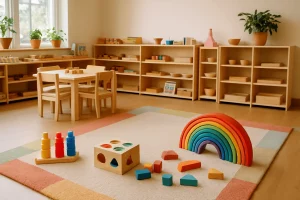
The concept of a prepared environment is foundational in Montessori pedagogy. It refers to a thoughtfully organized space that nurtures children’s independence and learning. For instance, imagine a traditional classroom converting into a Montessori environment. Instead of rows of desks facing a whiteboard, the room is arranged into various learning stations where children can freely choose activities.
In a practical setting, an educator may transform a science curriculum into a hands-on experience. Instead of lecturing about plants, they can set up a gardening station with soil, seeds, and tools, allowing students to plant and care for their own garden. This approach creates an engaging context for learning while providing an opportunity for observation of each child’s unique interests.
Autonomy
Autonomy is another cornerstone of Montessori pedagogy. Children are encouraged to make choices about their learning, fostering independence and responsibility. For example, a student teacher planning their first Montessori environment can provide students with choices of activities and materials, tailored to their developmental stages. This could mean allowing children to select their art projects or collaborate on group work, which promotes ownership over their learning process.
This autonomy not only boosts self-esteem but allows educators to observe each child’s interests and strengths, leading to a more personalized educational experience.
Observation
Observation is critical in the Montessori method as it enables educators to understand each child’s individual needs, interests, and developmental progress. A teacher may spend time quietly observing a group of children engaged in play to assess their social skills and group dynamics. By doing this, they can identify areas where some children may need more support or where they can expand on existing interests.
A seasoned Montessori teacher may note that a child shows particular interest in geometry during a block-building activity. This observation could lead to introducing other geometric shapes and concepts in subsequent lessons, aligning educational strategies with each child’s natural curiosity.
Sensory Learning
Sensory learning is an important aspect of the Montessori approach, engaging children’s senses to deepen their learning experiences. Montessori classrooms are often filled with materials designed specifically for sensory exploration—from different textures and shapes to sounds and scents. For example, a teacher might set up a sensorial station with different fabric swatches for children to explore their tactile qualities, facilitating discussions about textures, colors, and feelings.
This hands-on, sensory-rich experience helps children develop critical thinking and cognitive skills, making learning more tangible and relatable. The use of real-life materials as opposed to standard textbooks enhances their observational skills and comprehension.
Montessori and Real-Life Applications
Considering these principles, envision how they apply to both parents looking for better educational settings and teachers planning their classrooms. Parents who search for “Montessori near me” often seek environments that align with these values, ensuring their children attend schools where they can flourish. Meanwhile, teacher-training students can use the above examples to design their own Montessori-aligned learning experiences.
For further insights into implementing these principles, explore our guía completa sobre la pedagogía Montessori. This guide explores more extensive methodologies, blending theory with actionable practices.
Additional Resources and Learning Opportunities
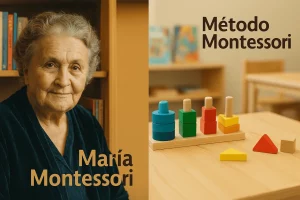
For parents and educators interested in continuing their education about Montessori pedagogy, *the Montessori Maria website* serves as an invaluable resource. You can find comprehensive guides, parenting tips, and insights into the life of María Montessori and her educational method. Understanding her philosophy can help you appreciate the foundation upon which Montessori pedagogy is built.
Ongoing Exploration of Montessori Principles
Beyond initial understanding, it’s essential for both parents and educators to actively engage with Montessori principles in daily practice. Resources such as Understanding Montessori Education: A Comprehensive Guide for Parents and Educators highlight practical strategies you can implement at home or in the classroom. Additionally, Understanding the Montessori Method: A Guide for Parents and Educators outlines key methodologies that align with Montessori principles.
Transforming Education with Montessori Principles
As educators and parents collaborate to support children’s educational journeys, implementing Montessori principles can lead to transformative experiences in learning. When educators understand the Montessori approach, they can adapt traditional environments into nurturing spaces where children thrive. Similarly, parents who advocate for educational choices align with their children’s natural learning tendencies will see their children flourish.
To further this conversation, delve into our resource Understanding María Montessori: A Guide for Parents and Educators, which provides deeper insights into her philosophies and practices.
Conclusion: The Future of Montessori Education
In conclusion, parents, educators, and teacher-training students interested in Montessori pedagogy will find that a blend of observation, autonomy, a prepared environment, and sensory learning is essential for fostering an effective educational approach. If you are still searching for the right educational setting, we encourage you to explore our Montessori near me locator tool, which can help connect you with suitable local Montessori schools.
Ultimately, the Montessori method is not just about choosing a school but embracing a philosophy that respects the child’s unique learning path. For those keen on learning more about transforming education through Montessori methods, our comprehensive resources and articles, such as Discovering Montessori: A Guide for Parents Seeking Educational Opportunities for Their Children and Understanding Montessori Pedagogy: A Comprehensive Guide for Parents and Educators, are great starting points for you.