Understanding the Montessori Method
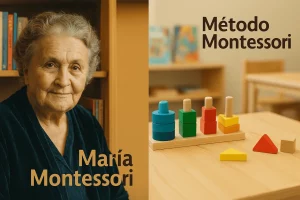
As parents around the globe seek the best educational paths for their children, many find themselves typing phrases like “Montessori near me” or “Montessori school near me” into their search engines. This signifies a growing interest in the Montessori philosophy founded by María Montessori. With the help of resources like the Montessori Maria platform and its AI assistant MarÍA, parents can locate nearby Montessori institutions and explore a transformative approach to learning.
Creating a Montessori Home Environment
Implementing Montessori principles at home is an enriching journey that benefits both children and parents. The focus is on creating an environment that fosters independence and curiosity, allowing children to explore and learn at their own pace.
Example: Montessori-Inspired Kitchen Space
Imagine a family adapting their kitchen to be more child-friendly. They might lower the countertop to a child’s height and provide accessible utensils. This setup allows children to participate in meal preparation, fostering a sense of responsibility and independence. For instance, a child could wash vegetables or mix ingredients, contributing to family meals while engaging in practical life skills.
Independence Through Prepared Spaces
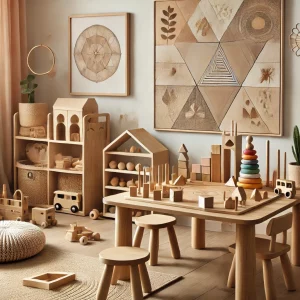
Shelving is another critical part of the Montessori home. Items should be arranged logically and appealingly, promoting independent choices. For example, a shelf with clearly labeled containers of art supplies encourages a child to select their materials for creative projects, enhancing their decision-making skills.
The Importance of a Montessori School Environment
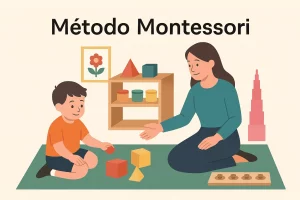
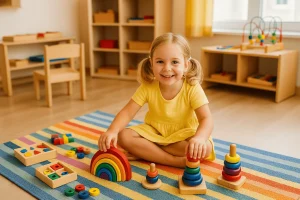
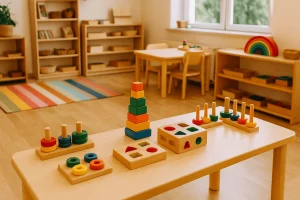
The Montessori classroom is uniquely designed to cater to children’s educational needs through hands-on learning, collaborative play, and self-directed activity. Each space promotes exploration, keeping children engaged and eager to learn.
Example: Teacher Adaptation for Independence
In a Montessori school, a teacher might observe that certain shelves are too high for children to access freely. Responding to this need, the teacher could rearrange the classroom to ensure that learning materials are attainable, thus fostering independence. By providing accessible learning tools, children learn to manage their own activities while developing a profound sense of ownership over their education.
Self-Regulation and Emotional Development
In a classroom setting, children are encouraged to manage their emotions and behavior. For example, a child might feel overwhelmed during a group activity. A teacher trained in Montessori methods would guide them to use breathing techniques or take a break in a designated calm area, supporting their ability for self-regulation. By learning to understand and manage their feelings, children can focus better on their learning activities.
Fostering Emotional Development Through Montessori
An essential aspect of Montessori education is nurturing emotional development. Through freedom within limits, children learn respect for themselves and others.
Example: Conflict Resolution Skills
In a Montessori classroom, when a conflict arises, children are encouraged to solve it amongst themselves, fostering communication and compassion. For instance, if two children want to play with the same toy, a teacher might encourage them to discuss what they can do to share. This not only addresses the immediate situation but teaches negotiation skills that will benefit children long beyond their time in the classroom.
Cultivating Empathy and Understanding
When children engage in group projects, they often find themselves in collaborative environments that emphasize empathy and teamwork. A group art project might require them to compromise on ideas and share materials, building a sense of community as they learn to respect differing opinions while working together.
Conclusion: Embrace the Montessori Method
For parents and educators curious about a more holistic approach to education, the Montessori system offers valuable insights and practices. By applying Montessori principles at home and understanding the transformative educational environment of a Montessori school, children can thrive emotionally, socially, and academically. As you search for the best learning options for your child, consider utilizing the Montessori Maria platform to find resources tailored to your needs. Whether you’re looking for articles like the Comprehensive Guide to Montessori Education or exploring our Understanding Montessori Guide, you will find valuable tools and information to embark on this beautiful educational journey.
‘