Understanding Montessori Education
In today’s world, parents and educators are increasingly looking for innovative ways to teach children. Many search for phrases such as “Montessori near me” or “Montessori school near me” as a first step towards finding resources and schools that follow the Montessori method. Our website includes a Montessori locator tool that can help guide families to nearby Montessori options, such as those found at https://montessorimaria.com/en/montessori-near-me and specific institutions like https://montessorimaria.com/en/montessori-school-terni-umbria-471/. Exploring Montessori education goes beyond just finding a school; it encompasses an entire lifestyle focused on independence, exploration, and self-directed learning for children.
Creating a Montessori Home Environment
The foundation of Montessori education starts at home. To foster a Montessori-inspired environment, parents can make specific changes to encourage their child’s independence and decision-making skills. For instance, creating a Montessori-inspired kitchen space can be a fantastic way to engage children in daily activities. Simple changes like using child-sized utensils, having a designated area for snacks, and allowing children to help in meal preparation can empower them to take part in household tasks.
Practical Example: The Montessori Kitchen
In a Montessori-themed kitchen, you might set up a low table where children can wash vegetables or prepare simple ingredients for a meal. For instance, having a small cutting board and a blunt knife can help a child learn necessary cooking skills while ensuring safety. Such setups promote independence and give children a sense of agency in their daily lives.
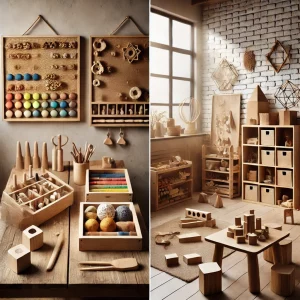
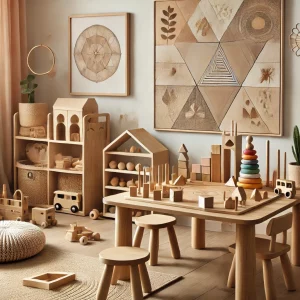
When building a Montessori home environment, it’s also crucial to adapt the organization of toys and learning materials. Shelving units can be designed at child-friendly heights, allowing them to select items according to their interests. For example, a teacher adapting the shelves for independence in a classroom might inspire parents to apply similar practices at home. This can foster ownership and responsibility as children learn to put away their materials.
School Environment: Nurturing Independence and Learning
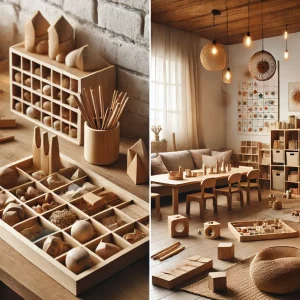
In a Montessori school setting, the environment plays a critical role in encouraging autonomy and self-discipline in students. Classrooms are specifically designed to accommodate different learning needs and styles. Materials are laid out invitingly, allowing children to choose activities that resonate with them.
Concrete Example: Self-Regulation in the Classroom
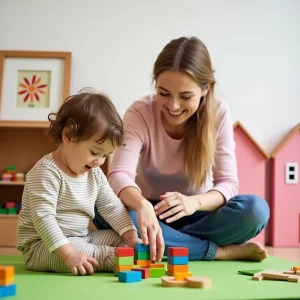
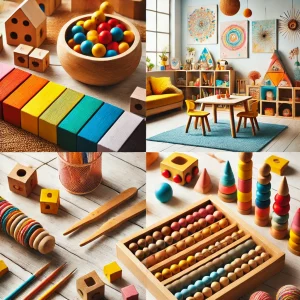
In a well-structured Montessori classroom, you might find a student engaged in a hands-on activity like building with blocks. The environment is tailored for self-regulation, where students learn to manage their time and focus on tasks without unnecessary intervention from teachers. For instance, a child might construct an elaborate structure and then analyze its stability, all while developing critical thinking and problem-solving skills. This process is reinforced by teachers who act as guides rather than traditional authority figures, fostering a sense of partnership in education.
To delve deeper into the Montessori approach, you can refer to our guía completa sobre la pedagogía Montessori. Understanding the philosophy behind sensory materials and multi-age classrooms can significantly enhance your appreciation of the Montessori method.
Emotional Development: A Core Aspect of Montessori Education
Montessori education places a strong emphasis on emotional development. Children’s social and emotional skills are nurtured through strategies that encourage cooperation and empathy among peers. This focus is essential not only for their academic achievements but also for forming lasting relationships and emotional intelligence.
Supporting Emotional Growth Through Collaboration
For example, in a Montessori classroom, you might see older children helping younger ones with tasks. This mentorship fosters a sense of community and learning that is fundamental in developing emotional skills. Children learn to express themselves, negotiate, and resolve conflicts organically. A teacher might observe a conflict between two students and gently guide them to communicate and solve the problem rather than intervening directly. This practice allows children to learn vital skills in self-regulation and emotional resilience.
Similarly, families can support emotional development at home by encouraging children to voice their feelings and desires. Parents can implement regular family discussions to check in with each other, allowing children to express where they might need support. Integrating emotional literacy into everyday conversations nurtures a child’s understanding of their feelings, fostering emotional intelligence essential for future success.
Finding Montessori Resources and Tools
To fully embrace and implement the Montessori philosophy, parents and educators can benefit from various resources. The Montessori Maria platform and its AI assistant MarÍA provide valuable insights and practical tips for integrating Montessori principles at home and in the classroom. Our database of articles, including Understanding the Montessori Method and Understanding Maria Montessori, can guide your journey in comprehending Montessori’s core principles.
In conclusion, embracing the Montessori approach—whether at home, in school, or during emotional growth—creates an enriching environment conducive to lifelong learning and independence. As you search for “Montessori near me” or “Montessori school near me”, remember that understanding and implementing these principles can transform your child’s educational experience. Dive into our numerous resources on the Montessori Maria platform to explore how this revolutionary educational philosophy can benefit your family today.