Understanding the Search for Montessori Education
Across the globe, parents and educators are increasingly turning to Montessori education as a meaningful alternative to traditional education methods. Many begin their journey by searching phrases such as “Montessori near me” or “Montessori school near me”, hoping to find local resources that align with their educational philosophy. To assist these parents and educators, our website includes a Montessori locator tool that simplifies finding Montessori schools and communities. For instance, you can explore options in Terni, Umbria or use our locator tool to find other nearby resources that cater to Montessori education.
The Home Environment: Nurturing Independence
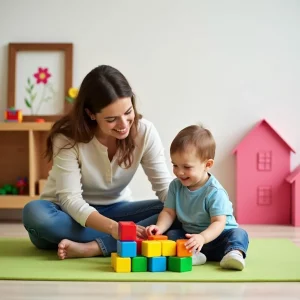
Creating a Montessori-inspired home environment is essential for fostering independence and a love for learning in children. This begins by transforming ordinary spaces in the home into rich learning environments. For example, a family can create a Montessori-inspired kitchen space where children can easily access child-sized utensils, plates, and cooking tools. This enables them to participate in meal preparation, develop practical skills, and gain confidence.
Adaptation of Spaces
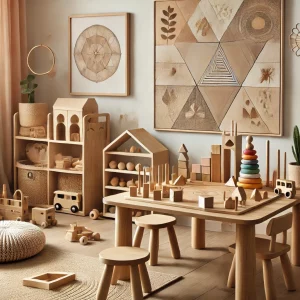
In the Montessori method, the physical setup is crucial. Parents can adapt their living spaces to offer various activities for children. A dedicated play area can be organized with open shelves containing different materials, toys, and books that encourage exploration and self-directed play. With shelves adjusted to the child’s height, kids can independently choose activities that resonate with their interests, leading to increased focus and engagement. Collaboratively engaging in these activities reinforces a sense of autonomy.
Emotional and Social Learning at Home
A Montessori home also emphasizes emotional development. For instance, families can implement a “feelings chart” where children can identify their emotions, facilitating discussions about feelings and responses. This builds emotional intelligence and teaches children to handle conflicts with empathy and respect. Techniques like role-playing are also useful in helping children understand social dynamics and develop communication skills.
The School Environment: Cultivating a Learning Community
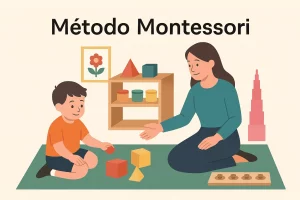
The Montessori school environment is characterized by mixed-age classrooms, hands-on learning, and an emphasis on community. In these settings, educators play a crucial role in observing and guiding rather than direct instruction. For instance, a teacher might adjust the classroom shelves to provide accessible materials that promote independence and choice. This allows students to take charge of their learning at their own pace, addressing individual interests and needs.
Encouraging Self-Regulation
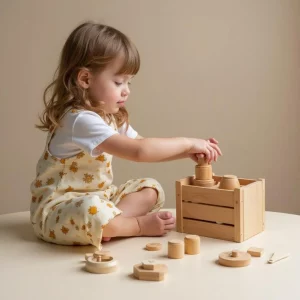
Self-regulation is a cornerstone of Montessori education. In a school setting, this is fostered through routine and respect for individual learning paces. For example, during work periods, children choose activities and set their own timers for focused work times. This practice not only enhances concentration but also teaches valuable lessons in responsibility and time management.
The Role of Educators
Teachers in Montessori classrooms are trained to observe and recognize when to step in and when to let children figure things out for themselves. For instance, if a child struggle with a task, instead of providing the solution, a teacher might ask guiding questions to encourage problem-solving. This approach empowers children to become resilient learners, capable of overcoming challenges through their own efforts.
Emotional Development: Building Resilience and Empathy
Emotional development is often overlooked in traditional settings, but it’s fundamental in the Montessori approach. Children learn to express their feelings, understand the feelings of others, and build relationships based on mutual respect and empathy. Activities like group projects or community service can enhance social skills and foster a sense of belonging.
Creating a Class Community
In a Montessori environment, the concept of community is vital. Classroom activities often involve peer teaching, where older children mentor younger ones. This not only builds confidence for the older child but also allows younger students to benefit from their peers’ knowledge and skills. Having a mix of ages in the classroom creates a supportive community where children learn from one another in a collaborative manner, reinforcing social bonds and emotional understanding.
Using the Montessori Maria Platform
The Montessori Maria platform and its AI assistant MarÍA offer valuable resources for parents and educators interested in adopting Montessori principles in both home and school environments. With guides and activities tailored to encourage child independence and emotional intelligence, the platform serves as a handy tool for those looking to embrace a transformative educational approach.
Conclusion: Embracing Montessori Education
Montessori education provides a comprehensive framework for fostering independence, emotional resilience, and social skills in children. By transforming home and school environments and being intentional about emotional development, parents and educators can cultivate a nurturing atmosphere that supports lifelong learning. For those looking to delve deeper into the Montessori philosophy, consider exploring our guía completa sobre la pedagogía Montessori or an introducción a la pedagogía Montessori, which outlines essential principles and practical applications.
As you begin your Montessori journey, remember that the environment you create, and the values you uphold will significantly influence your child’s experience and development. Seek out resources, connect with local Montessori communities, and embrace this transformative educational approach for a brighter future for your children.
Learn More
If you’re interested in learning more about Montessori education, check out our latest articles, including: