Introduction to Montessori Education
Parents all over the world are increasingly searching for effective educational approaches that foster independence and creativity in their children. As a result, phrases like “Montessori near me” or “Montessori school near me” have become common search queries for those looking for Montessori programs in their area. Our website features an extensive Montessori locator tool that assists families in finding suitable Montessori schools close to them. For instance, one can explore options such as a Montessori school in Terni, Umbria, which emphasizes the importance of a child-centered learning environment.
Creating a Montessori Home Environment
Transforming your home into a Montessori-inspired space can profoundly influence your child’s development. By embedding Montessori principles into your home environment, you promote independence, self-discipline, and a love for learning.
Adapting Spaces for Independence
One of the core ideas of Montessori education is empowering children by allowing them to navigate their environment independently. For example, you can create a Montessori-inspired kitchen space where your child can safely access plates, utensils, and healthy snacks. You can lower cabinets, install step stools, and organize items at their reach. This setup fosters their ability to prepare simple meals or snacks independently, promoting both self-care and responsibility.
Child-Friendly Furniture
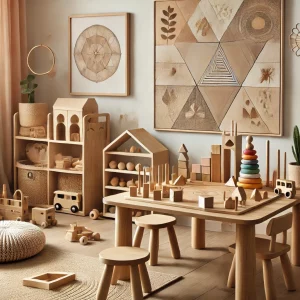
In the living area, consider replacing conventional furniture with child-sized options. Providing small tables and chairs encourages children to engage in activities like drawing or playing games without adult intervention. This small change can significantly boost their confidence and willingness to engage in creative play.
Learning Materials
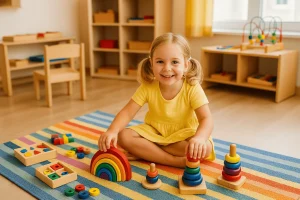
In the Montessori home, incorporating learning materials—such as puzzles, art supplies, and books—is vital. A well-organized shelf with accessible resources allows your child to choose what they would like to explore. You can make this interactive by rotating materials frequently to maintain their curiosity and engagement.
The Montessori School Environment
The school setting in a Montessori framework differs significantly from traditional education. It relies on mixed-age classrooms, allowing students to learn from each other while fostering both collaboration and mentorship among peers.
Freedom and Structure
In a Montessori classroom, children are given the freedom to choose their work, yet there is a structured approach to ensure learning progresses. For instance, a teacher may observe students’ interests and adapt the classroom shelves to facilitate independence by arranging activities that complement individual learning styles. This flexibility allows children to engage deeply with subjects they are passionate about.
Focus on Self-Regulation
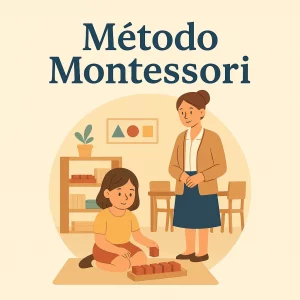
Self-regulation is another essential pillar of Montessori education. For example, a student may engage in a practical life exercise, such as pouring water from one container to another. This simple activity not only develops fine motor skills but also teaches concentration and patience. Over time, children learn to manage their emotions and impulses, significantly benefiting their overall development.
Emotional Development in Montessori Education
Understanding emotional development within the Montessori framework is pivotal for parents and educators. The environment encourages positive interactions, self-awareness, and respect for oneself and others.
Building Relationships
A Montessori classroom nurtures a community where respect and kindness are the norms. Children learn to communicate effectively with their peers and to resolve conflicts calmly. For instance, when two children want to use the same material, a teacher might guide them to discuss the situation and find a solution together, promoting social emotional skills.
Cultivating Empathy and Compassion
Through engaging in collaborative activities, children also develop empathy. In mixed-age groups, younger children learn from older classmates, while older children reinforce their own knowledge by teaching. This cycle cultivates compassion and a sense of responsibility towards each other, essential traits for a harmonious society.
Conclusion: The Transformative Power of Montessori Education
Montessori education offers a holistic approach that nurtures children’s independence, emotional well-being, and academic skills. For parents and educators interested in learning more about this innovative method, I highly recommend consulting our guía completa sobre la pedagogía Montessori or starting with our introducción a la pedagogía Montessori. Embracing these principles in your home and school environments, guided by resources from the Montessori Maria platform and its AI assistant MarÍA, can lead to profound and transformative experiences for both children and adults alike.
For those interested in further exploring the benefits and intricacies of this educational approach, refer to our recent articles: Understanding Maria Montessori, Understanding Montessori, Understanding Montessori Pedagogy, Montessori Education: A Comprehensive Guide, and Join the Discussion.