Introduction to Montessori Education
As parents and educators increasingly turn to the Montessori approach for guidance in nurturing young minds, phrases like “Montessori near me” or “Montessori school near me” have become common searches. We understand that finding local options can be daunting, which is why our website features a convenient Montessori locator tool, helping you to connect with schools and resources in your area, such as those illustrated here: Montessori near me and Montessori school near me.
Creating a Montessori Home Environment
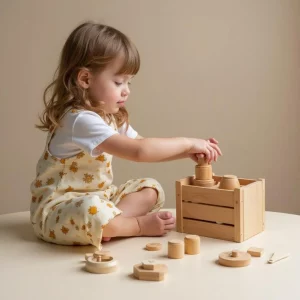
The home is a child’s first environment, and its setup can significantly influence their development. Parents can adopt Montessori principles in their everyday surroundings to foster independence and engagement. For instance, consider dedicating a specific area of your home to a Montessori-inspired kitchen space. By allowing children to participate in meal prep, pouring their own drinks, or even washing their vegetables, you provide them with practical life skills that are fundamental to their growth.
Practical Examples
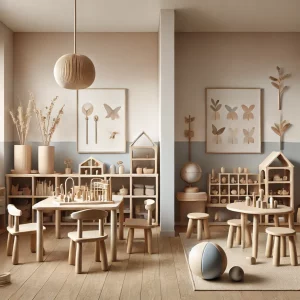
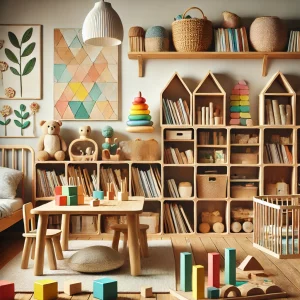
To implement the Montessori philosophy at home, you might create an accessible shelf of tools that your child can use. Imagine a low cabinet housing unbreakable dishes, measuring cups, and wooden utensils—with clear instructions on how to use each item. This setup encourages your child to take initiative and gain confidence. In this way, your home becomes a classroom, promoting autonomy and decision-making, and aligning with the principles laid out in our introduction to Montessori education.
The Montessori School Environment
The essence of Montessori education lies in its adaptive school environment, which prioritizes self-directed learning and independence. Teachers are specially trained to observe and respond to the unique needs and interests of each child, creating a tailored educational experience.
Adaptive Classrooms
For example, a teacher might notice that a student is struggling with self-regulation during group activities. To address this, the teacher can modify the classroom setup by introducing a “calm corner” furnished with soft seating, sensory toys, and quiet resources that allow the student to regroup and refocus. This not only nurtures emotional intelligence but reinforces the importance of understanding one’s feelings—a key component of Montessori philosophy.
Freedom Within Limits
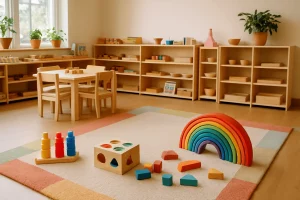
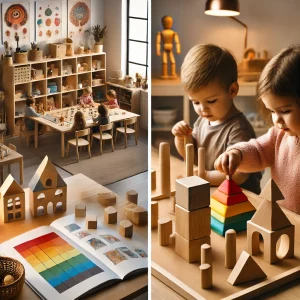
Another example within the school environment is the organization of materials on the shelves. Teachers strategically place materials within children’s reach while ensuring that choice remains a pivotal element of the learning process. Children are encouraged to explore freely but within structured limits, leading to enhanced focus and motivation. Discover more about this unique structure in our complete guide on Montessori pedagogy.
Emotional Development in Montessori Education
Emotional development is at the core of Montessori education, ensuring that children are not only engaged learners but also empathetic individuals. The philosophy encourages children to express their feelings, engage in conflict resolution, and understand the perspectives of others.
Helping Children Manage Feelings
An excellent example of this can be found in how Montessori classrooms handle disagreements between students. Rather than intervening immediately, teachers may encourage children to verbally express their feelings and listen to one another, fostering vital communication skills. This approach not only aids emotional development but also promotes a supportive classroom community.
Building Self-Regulation
Through activities such as group storytelling or collaborative projects, children practice self-regulation and team dynamics. For instance, a group might be tasked with building a small model, requiring students to negotiate roles, set deadlines, and share materials. By engaging in such activities, children learn vital social skills and emotional awareness while still adhering to the Montessori tradition of self-paced education.
Conclusion
Incorporating Montessori principles into both home and school environments creates a holistic framework for nurturing well-rounded individuals. From fostering independence at home with engaging practical life skills to cultivating emotional intelligence and self-regulation in classrooms, the impact of Montessori education is profound. For more resources and guidance, check out the latest articles on Montessori education.
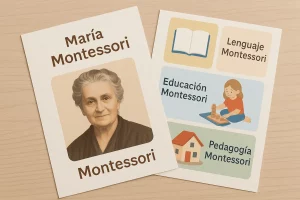
To explore more about Maria Montessori’s life and how her philosophies shaped education today, visit our section dedicated to María Montessori. With the help of the Montessori Maria platform and its AI assistant MarÍA, you can find personalized guidance tailored to your educational needs, ensuring that you can implement these transformative practices effectively.