Introduction to Montessori Education
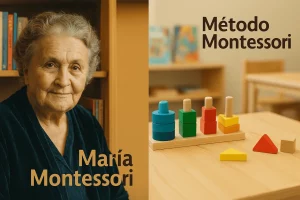
Parents and educators across the globe are increasingly seeking effective educational frameworks that nurture independence and self-regulation in children. Terms like “Montessori near me” and “Montessori school near me” echo in households as parents search for suitable educational resources and schools. The approach pioneered by María Montessori emphasizes a child-centered learning environment that encourages active participation and exploration. Our website offers a Montessori locator tool to help parents find schools nearby, such as Montessori near me and specific listings like Montessori school near me. This article will delve into how Montessori education can be successfully integrated into both home and school environments, along with its fundamental role in emotional development.
Creating a Montessori Home Environment
A Montessori-inspired home environment is crucial for fostering independence and self-directed learning. Parents can implement Montessori principles at home by creating spaces that allow children to explore freely. For instance, consider designing a Montessori-inspired kitchen space. Set up a low kitchen shelf filled with child-sized utensils, such as bowls, cups, and spoons. This arrangement allows children to prepare their own snacks or assist in meal preparation, fostering a strong sense of autonomy.
Practical Life Skills
Incorporating practical life skills is another hallmark of Montessori education at home. Setting up a small washing station for children to wash fruits or vegetables not only teaches responsibility but also enhances their sensory experiences. Furthermore, engaging your child in laundry tasks, such as folding and sorting, provides them with invaluable lessons in organization and order.
Montessori Materials
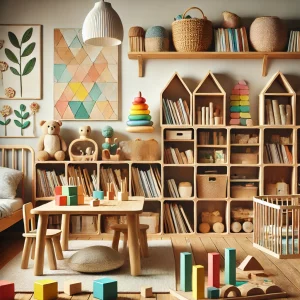
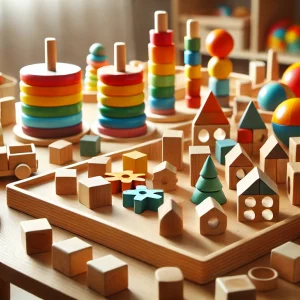
Utilizing Montessori materials at home is equally important. Consider creating a reading nook filled with easy-to-reach books organized by category. For example, children can choose to explore science books one day and adventure stories the next, promoting decision-making skills. A well-curated environment ensures that children are exposed to a variety of learning opportunities that ignite their interest.
The Montessori School Environment
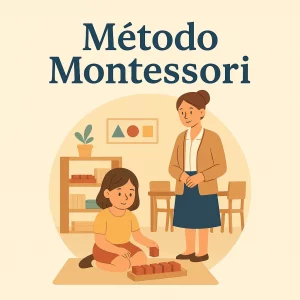
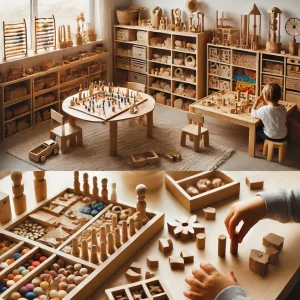
Just as the home environment plays a pivotal role in a child’s learning journey, so does the school environment. In Montessori classrooms, children from different age groups learn together, which fosters a sense of community and collaboration. A teacher’s role is to adapt the classroom to ensure all students can engage confidently with their surroundings.
Independence in the Classroom
For instance, a teacher might adapt the classroom shelves to allow easier access to learning materials. Lowering the shelves encourages children to select their own activities without assistance, thereby promoting independence. A child who can choose materials independently develops critical thinking and self-regulation skills as they learn to manage their time and tasks.
Peer Interaction and Collaboration
In a typical Montessori classroom, children are encouraged to work at their own pace and collaborate with peers. For example, an older student may assist a younger one with a math concept, reinforcing their understanding while providing the younger student with support. This multi-age interaction enhances social skills and boosts confidence, which are essential components of emotional development.
The Role of Emotional Development
The Montessori method places a strong emphasis on emotional development. Children learn to identify and manage their emotions in both home and school settings. When given the freedom to choose their activities, children develop self-regulation skills that are crucial for emotional well-being.
Self-Regulation Practices
For example, during a lesson on mindfulness, a teacher may guide students through breathing exercises when they feel overwhelmed. This practice instills coping mechanisms that children can utilize outside the classroom, thereby enhancing their emotional resilience.
Building Empathy and Connection
Home environments can also support emotional growth. Parents can encourage empathy by discussing feelings openly and promoting practices like sharing and turn-taking. For instance, engaging in family discussions about daily events can help children articulate their feelings and develop an understanding of others’ emotions.
Conclusion: Embracing Montessori Education
In conclusion, integrating Montessori principles into home and school environments provides children with a holistic educational experience. From setting up child-friendly spaces at home to fostering independence and collaboration in school, the Montessori approach cultivates essential skills that contribute to emotional and cognitive development. Parents and educators interested in exploring more about this transforming approach can refer to our guía completa sobre la pedagogía Montessori and the introducción a la pedagogía Montessori. For more information, visit the Montessori Maria platform and discover the resources available with the help of our AI assistant MarÍA.
To further enrich your understanding, consider reading our latest articles on Montessori education, such as Understanding the Montessori Method, Exploring the World of María Montessori, and A Comprehensive Guide for Parents Exploring Montessori Education. Embrace the Montessori philosophy and watch as your child flourishes in independence and emotional intelligence.