Understanding the Search for Montessori Education
All around the world, parents and educators are increasingly turning to Montessori education as a viable option for fostering independence and self-directed learning in their children. When searching for the best educational fit, many parents often type phrases into search engines such as “Montessori near me” or “Montessori school near me.” This reflects a growing awareness of the Montessori approach and a desire for community-specific information. For those interested in finding a Montessori school nearby, our website features a convenient Montessori locator tool that can guide you in finding your closest options, such as specific schools like Montessori school in Terni, Umbria.
Creating a Montessori Home Environment
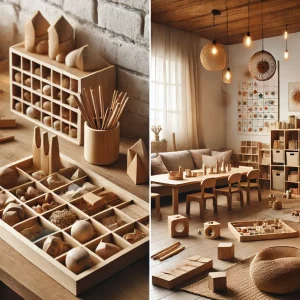
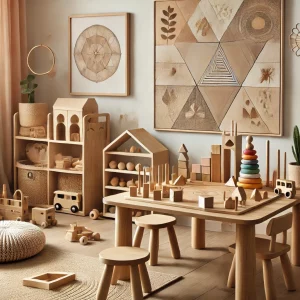
The Montessori home environment plays a crucial role in nurturing a child’s natural curiosity and independence. For parents looking to implement Montessori principles at home, it’s essential to create an organized space that allows children to explore freely while being safe.
Setting Up the Kitchen
A fantastic example of a Montessori-inspired kitchen could involve creating a dedicated space where children can prepare simple snacks. This might include a low shelf with age-appropriate tools like real utensils, cutting boards, and fresh fruits and vegetables. Parents can encourage children to make their own snacks as this promotes independence and confidence. You can read more about setting up a nurturing home environment in our complete guide to Montessori pedagogy.
Independence in Daily Activities
Another scenario is adapting furniture and materials around the house. For instance, placing a small coat rack or a low shoe rack by the entrance allows children to manage their own belongings. When waking up in the morning, they can hang their coats and put away their shoes instead of waiting for an adult to assist them. This simple adaptation fosters a sense of responsibility and independence.
Implementing Montessori in the School Environment
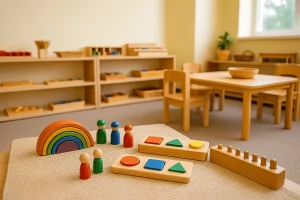
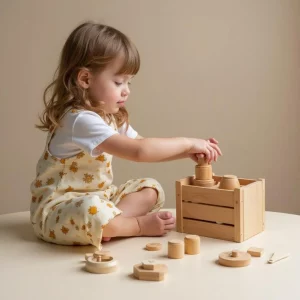
In Montessori classrooms, the learning environment is intentionally designed to enhance a student’s natural interests and curiosity. This is achieved through various methods, including thoughtfully arranged learning materials and a focus on self-directed education.
Teacher Adaptations for Independence
A key example of Montessori principles in action can be seen when a teacher adapts shelves to promote independence. By lowering shelves with materials that children can easily access, teachers create opportunities for learners to choose activities based on their interests. Teachers might rotate materials regularly to maintain engagement and inspire exploration among children. Finding effective resources and methods for Montessori classroom setup can be explored in our guide on understanding the Montessori method.
Fostering Self-Regulation
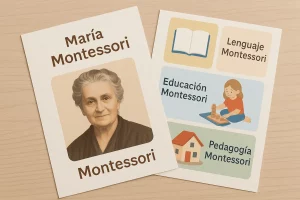
In a Montessori setting, students often benefit from self-regulation as they learn to manage their own tasks. For instance, a child who has just completed a learning activity might be encouraged to return their materials to the shelf before choosing a new one. This act of responsibility cultivates an understanding of organization and enhances their ability to self-regulate in various scenarios. To learn more about María Montessori’s philosophy, check out our guide about Maria Montessori.
Emotional Development Through Montessori Education
Emotional development is a cornerstone of Montessori education. By fostering a supportive and respectful environment, both at home and school, children can develop strong emotional regulation skills and empathy.
Encouraging Collaboration and Respect
One way schools actively engage students in emotional development is through collaborative projects that require teamwork. In a group setting, children learn how to communicate effectively, share ideas, and resolve conflicts in constructive ways. An example could be a classroom project where students must create a presentation together. This not only strengthens their social skills but also enhances their emotional intelligence.
Practicing Self-Regulation Techniques
Emotional development is further supported through self-regulation techniques that children learn in Montessori settings. For instance, teachers may introduce quiet time or mindfulness activities to help students manage stress and anxiety. By emphasizing calming techniques, such as deep breathing, children can become more in tune with their emotions and learn how to address them constructively. Interested in understanding more about emotional growth within a Montessori context? Don’t miss our comprehensive guide on understanding Montessori.
Connecting with the Montessori Community
As you explore Montessori education, connecting with your local community can be valuable. Engaging with other parents and educators who share an interest in the Montessori approach can lead to a wealth of resources and support. You can utilize our Montessori locator tool to find schools and networks in your area that align with your educational values.
Incorporating Guidance from Experts
To delve deeper into the Montessori philosophy, you can explore resources available on the Montessori Maria platform and its AI assistant MarÍA. The AI assistant can help guide your journey, providing information and answering your questions about Montessori principles, practices, and materials.
Conclusion: Embrace the Montessori Journey
In conclusion, Montessori education is a transformative approach that emphasizes independence, emotional development, and a supportive learning environment. By embracing Montessori principles both at home and within educational settings, parents and educators alike can help create well-rounded, confident individuals. With resources available to further learn about this innovative approach, including guides on Montessori pedagogy and our comprehensive educational resources, you are well-equipped to navigate the Montessori path with your children.