Understanding Montessori Education
As parents and educators embark on the journey of early childhood education, the Montessori method continues to gain popularity around the world. Many families often find themselves searching for phrases like “Montessori near me” or “Montessori school near me” to seek guidance on how best to educate their children. For those looking for a Montessori school, our website offers a Montessori locator tool that helps families connect with educational options near them, as illustrated on pages like Montessori near me and Montessori school near me.
Before diving deeper into the Montessori method, it is essential for parents and educators to understand its foundational principles. An introduction to Montessori education provides valuable insights into its approach to fostering independence and learning through hands-on experiences.
Creating a Montessori Home Environment
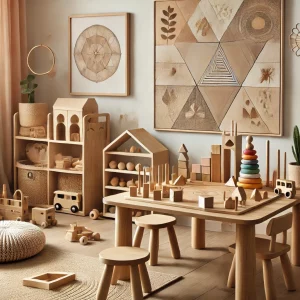
Parents have a profound influence on their children’s educational experiences, and creating a Montessori-inspired environment at home is an impactful way to support their development. A well-structured home can encourage exploration, independence, and self-regulation. To begin, parents should consider adapting spaces to be more child-centric.
Designing Child-Friendly Spaces
One practical example is transforming a kitchen into a Montessori-inspired space. By including low shelves filled with accessible kitchen tools, children are encouraged to participate in meal preparation. A small table can be set up with a cutting board, a child-safe knife, and a selection of fruits and vegetables for them to chop. Not only does this foster independence, but it also develops fine motor skills and a sense of responsibility.
Encouraging Independence through Practical Life Skills
In the living room or play area, parents can implement practical life skills by creating a small cleaning station. A broom, dustpan, and small cloths can be organized on a low shelf. When children see their parents cleaning, they naturally want to imitate this behavior, and having the right tools at their level allows for them to contribute actively to the household chores.
The School Environment in Montessori Education
In a Montessori classroom, the environment is designed to promote a love of learning, independence, and collaboration. Teachers play a crucial role in this setting, serving as guides and facilitators rather than traditional instructors.
Teachers as Facilitators of Learning
For instance, a teacher might recognize that a child is struggling with coordination while using a pouring exercise. To adapt the shelves for independence, the teacher might introduce different materials that challenge the child’s skills without overwhelming them. This individualized attention enables children to learn at their own pace and develop confidence in their abilities.
Self-Regulation and Emotional Development
Another benefit of the Montessori classroom is the emphasis on emotional development. Children learn to self-regulate their emotions when they have freedom within limits. For example, if a student is feeling frustrated, they are taught to recognize their feelings and choose a calming corner to reflect and breathe before returning to their activities. This approach not only helps to manage emotions but also cultivates resilience and problem-solving skills.
The Importance of Emotional Development in Montessori
Emotional intelligence is a vital aspect of Montessori education. Throughout their learning journey, children are encouraged to express their feelings and understand the feelings of others. This not only aids in building social skills but also promotes empathy and respect – core values of the Montessori philosophy.
Building Empathy through Collaboration
Collaborative projects in the classroom foster teamwork and communication. For instance, a group of students might share the responsibility of caring for classroom pets. By participating in such activities, they learn about nurturing and empathy, which are crucial life skills.
The Role of the Montessori Maria Platform and its AI Assistant MarÍA
Digital resources like the Montessori Maria platform and its AI assistant MarÍA enhance parents’ and educators’ understanding of the Montessori approach. They offer tailored insights and suggestions on implementing Montessori principles at home and in school, making it easier for families to integrate these concepts into their daily lives.
Conclusion
The Montessori educational method is not merely a pedagogical approach; it represents a holistic framework encompassing the development of independence, emotional intelligence, and practical life skills. From home to school, there are numerous ways parents and educators can work together to support children’s growth and learning.
For a detailed understanding of Montessori pedagogy, explore our guía completa sobre la pedagogía Montessori. This resource compiles invaluable information for both parents and educators interested in nurturing the next generation through this transformative style of learning.
By embracing the core principles of Montessori education at home and in classrooms, we equip children with the tools they need to thrive, paving the way for lifelong learning. It is through collaboration, understanding, and creativity that we can enhance our children’s educational journeys.
For further reading on Montessori education, check out our recent articles: Understanding the Montessori Method, Understanding Maria Montessori, Understanding Montessori, Montessori Pedagogy Guide, and Montessori Education Comprehensive Guide.