Introduction
In today’s fast-paced world, many families are seeking educational alternatives that promote independence, creativity, and critical thinking in their children. It’s no surprise that a significant number of parents search for “Montessori near me” or “Montessori school near me” when exploring educational options. The Montessori method has gained immense popularity globally, providing a nurturing environment that fosters a child’s natural desire to learn. If you are looking for guidance, our website offers a Montessori locator and helpful resources to assist you on this journey. You can find more information here and explore the Montessori school in Terni, Umbria here.
Who Was Maria Montessori?
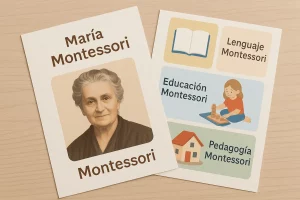
Maria Montessori was an Italian physician and educator born in 1870. She was one of the first women to graduate from a medical school in Italy, and her career began in the field of psychiatry, where she developed an interest in the education of children with disabilities. Later, Montessori’s pioneering work led her to create an educational approach that emphasized hands-on learning, self-direction, and collaborative play.
Her experiences in the classroom inspired her to develop the Montessori Method, which focuses on child-centered education and respects the individual learning pace of each child. Montessori opened her first school, the Casa dei Bambini, in Rome in 1907, which became a model for Montessori schools worldwide. The enduring legacy of María Montessori y su legado continues to influence education today, making her educational philosophy essential for parents and educators alike.
The Montessori Method Explained
The método Montessori is built on several core principles that guide its implementation in classrooms and homes. Key components include:
- Child-Centered Learning: Children are allowed to choose their activities and learn at their own pace, promoting autonomy and personal responsibility.
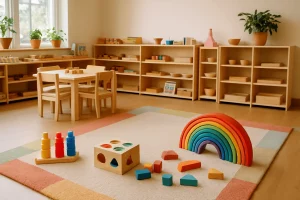
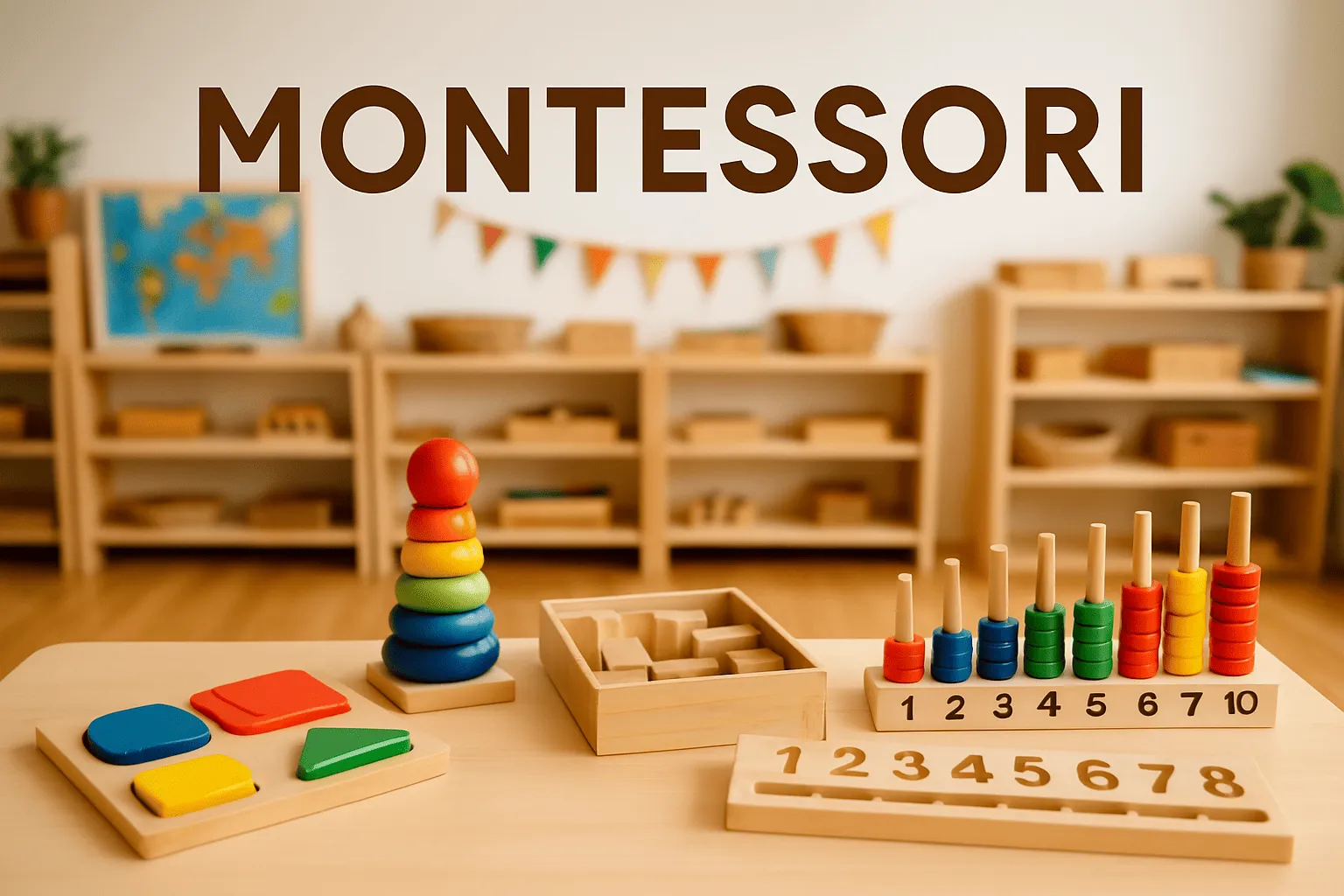
- Prepared Environment: The learning space is carefully arranged to encourage exploration and learning, with materials accessible to children.
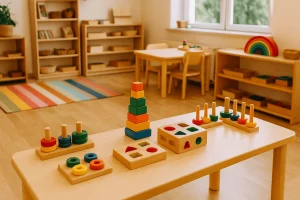
- Hands-On Learning: Children learn through tactile experiences, using specific educational materials designed to enhance understanding and skills.
- Mixed Age Groups: Children of different ages learn together, fostering collaboration and social development.
Understanding these principles can provide valuable insights for both parents and educators who wish to incorporate Montessori concepts into their daily practices.
Practical Applications of Montessori Principles
Incorporating the Montessori approach can take many forms. Below are practical examples illustrating how teachers and parents can implement Montessori principles.
Reorganizing the Classroom
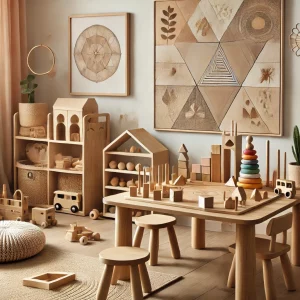
Consider a teacher who is restructuring their elementary classroom. Understanding the importance of the prepared environment, they begin by removing traditional desks and replacing them with low tables and floor cushions. This encourages children to engage in activities comfortably and promotes collaboration during group work. The teacher also sets up learning stations, each with Montessori materials aligned with different subjects, allowing students to choose what they want to work on, thus encouraging independence and focused learning.
Creating a Montessori Home
On the home front, parents can create a Montessori-inspired space for their children. For instance, they might reorganize a child’s bedroom to promote independence. This can involve lowering shelves so that toys and books are easily accessible, allowing children to choose what they want to engage with independently. Incorporating child-sized furniture can empower children to take ownership of their space, facilitating actions like dressing themselves or organizing their toys.
The Impact of Montessori Education
Research and anecdotal evidence suggest that children who attend Montessori schools often demonstrate greater emotional intelligence, creativity, and problem-solving skills. They tend to be self-motivated learners with a deep love of learning that often lasts well into adulthood. These attributes align with Montessori’s vision of nurturing well-rounded individuals who can contribute meaningfully to society.
Parents interested in learning more about the impact of Montessori education can find valuable resources here. The transformational aspects of pedagogía Montessori can provide insights into how this approach can foster an enriching learning atmosphere.
Engaging with Montessori Resources
As the interest in the Montessori method grows, many resources and communities have emerged to provide support for parents and educators. Engaging with these tools can help you to better integrate Montessori principles into home and educational environments. Our AI assistant, MarÍA, is available on the Montessori Maria website to answer questions and guide you through implementing Montessori practices effectively.
Moreover, parents can explore additional information about Montessori education by visiting this comprehensive guide designed specifically for families who wish to understand more about the methodology and lifestyle surrounding Montessori education.
Why Choose Montessori? The Benefits
Choosing a Montessori school or approach for your child can be advantageous for numerous reasons:
- Promotes Critical Thinking: Children learn to think independently, ask questions, and solve problems.
- Encourages Collaboration: Students learn to work together, fostering social skills.
- Builds Self-Confidence: By allowing children to make choices, they develop a sense of agency.
- Supports Individual Learning: Children learn at their own pace, ensuring mastery before moving on to new concepts.
Parents considering a Montessori education can look at this guide for a deeper understanding of the benefits it offers.
Choosing the Right Montessori Environment
When searching for a Montessori school, it’s essential to find one that truly embodies Montessori principles. Parents can use our Montessori locator to discover schools that align with their values and educational goals. This tool simplifies the process, making it easier for families to find quality education options.
Conclusion
In conclusion, Maria Montessori’s educational philosophy offers a transformative approach to learning that is increasingly valued in today’s educational landscape. By emphasizing independence, hands-on learning, and respect for a child’s natural development, Montessori provides a compelling framework for both parents and educators. Whether you’re exploring schools for your child or looking to adapt your teaching style, understanding and integrating the principles of Montessori can create enriching experiences for children.
For more information and to continue your journey into the world of Montessori, please explore our website and the numerous resources available. Remember, as you search for “Montessori near me,” you’re not only looking for schools; you’re also embracing a transformative educational experience for your child. For more detailed articles, including insights into the Montessori method and understanding Maria Montessori, visit this guide and many others available on our site!