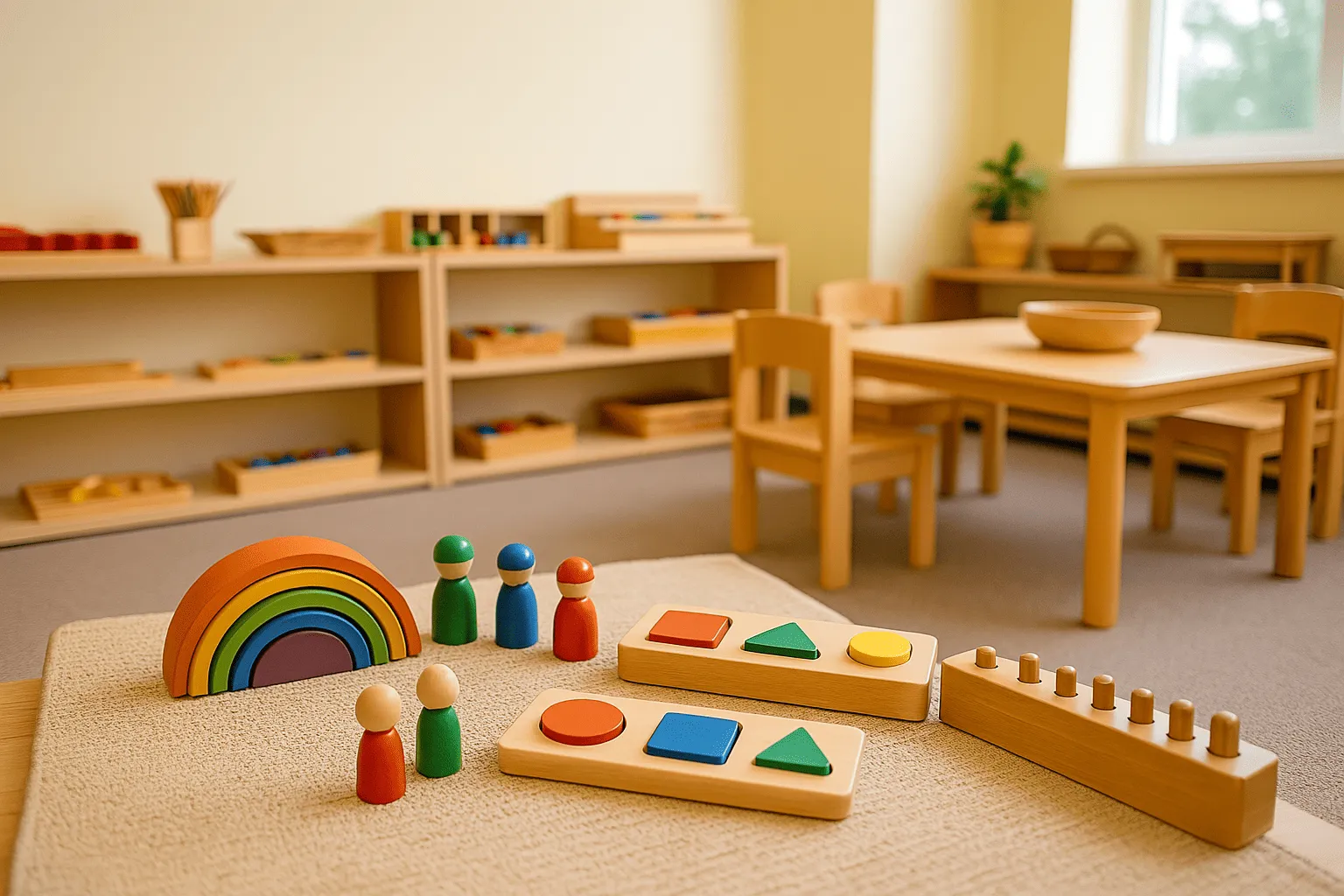
Introduction to Montessori Pedagogy
Many families embarking on the educational journey for their children often begin by searching terms like “Montessori near me” or “Montessori school near me.” This quest leads them to explore the unique and transformative world of Montessori education, which is known for its child-centered approach. For those looking to find a Montessori school nearby, our website offers a global Montessori locator at Montessori near me. Additionally, local examples, such as the Montessori school located in Oberursel, Germany, can be accessed at Montessori in Oberursel.
The Core Principles of Montessori Pedagogy
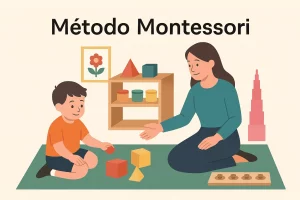
Montessori education is underpinned by essential pedagogical principles, including the prepared environment, autonomy, observation, sensory learning, and respect for the child. Each of these principles plays a crucial role in shaping a child’s learning experience. In this article, we will delve into each of these principles, providing practical examples to showcase how they can be effectively implemented in both traditional and Montessori settings.
Prepared Environment
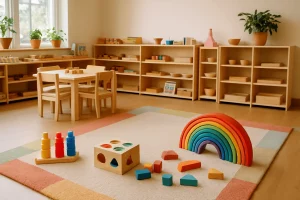
The concept of a prepared environment refers to a thoughtfully arranged space that fosters independence and encourages exploration. In a traditional classroom, adapting to this principle may involve reorganizing furniture to create distinct areas for various activities. For instance, rather than cramming desks into rows, a teacher could arrange tables in small groups, promoting collaboration among students. This allows children to engage with their peers in a more meaningful way, fostering social skills and teamwork.
Autonomy
Autonomy is a powerful element of Montessori pedagogy, empowering children to make choices in their learning. For a student teacher planning their first Montessori environment, the goal should be to create opportunities for children to select their activities based on interests and readiness. A practical example is setting up a ‘choice board’ where children can choose from a variety of learning materials. This not only promotes self-direction but also helps build intrinsic motivation, allowing students to become active participants in their learning journey.
Observation
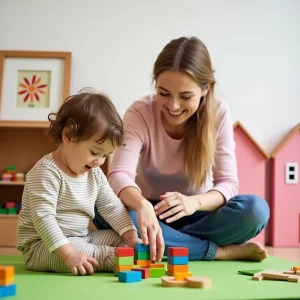
Observation is a critical tool in the Montessori approach. Educators are encouraged to carefully monitor children’s behaviors and interactions within the learning environment. This requires a shift from traditional teaching methodologies, where the teacher is the primary source of information, to a more supportive role. For example, a teacher in a Montessori classroom might take notes on a child’s interests and strengths during playtime, using these insights to tailor future lessons. This process is beautifully illustrated in the introduction to Montessori pedagogy.
Sensory Learning
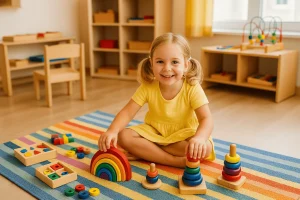
Montessori pedagogy emphasizes sensory learning—engaging the senses to enhance understanding. In a traditional classroom, this could be integrated by incorporating hands-on materials and activities. For instance, instead of learning about geometric shapes through textbooks, children could handle different shape blocks and even create their own geometric patterns on a mat. This tactile experience reinforces learning and helps solidify concepts in a way that pure lecture or reading cannot achieve.
Respect for the Child
Lastly, respect for the child is a foundational principle within Montessori education. This involves treating children as capable individuals, acknowledging their developmental stages, and allowing them to express themselves freely. In a new Montessori classroom, this can be practiced by providing space for children to voice their thoughts and opinions. For example, teachers can hold regular class meetings where students are encouraged to share what they enjoy or what they would like to learn more about. This democratic participation strengthens the child’s sense of belonging and engagement within the learning community.
Applying Montessori Principles in Real-World Scenarios
Now that we have explored core principles, let’s look at how they can be woven into the fabric of daily learning experiences. Below, we illustrate real-world scenarios where Montessori principles can significantly impact both a traditional classroom and a Montessori training for student teachers.
Adapting a Traditional Classroom
Imagine a traditional classroom with rows of desks and no choice in learning activities. An educator can transform this environment by creating learning stations with various materials reflecting the Montessori approach. Instead of having children work individually on worksheets, they could work collaboratively on projects at stations designed for group learning. Each station could include a learning objective related to the curriculum, but with the flexibility for students to approach the tasks creatively and collaboratively. This aligns beautifully with the principles of the prepared environment and autonomy.
Planning a Montessori Environment for Student Teachers
For student teachers entering the Montessori realm, the initial planning for a learning environment is foundational. Implementing the principle of observation requires them to start with a wealth of knowledge about not just the learning materials, but also how to observe children’s interactions with these materials. For example, when creating a toddler space, they should observe how children move, touch, and engage with the materials to design a room that encourages freedom of movement and decision-making. This process aligns with the aim to respect the child and allow them to thrive.
Understanding Maria Montessori’s Influence
To truly appreciate the depth of Montessori pedagogy, one must delve into the life and teachings of María Montessori. Her innovative ideas revolutionized early childhood education and continue to inspire educators today. A comprehensive study of her methods can equip educators and parents alike with the insights necessary to implement this transformative approach in diverse educational settings.
Conclusion
Montessori pedagogy presents an extraordinary alternative to traditional education, emphasizing child-led learning, autonomy, and a deep respect for the individual needs of each child. By understanding and implementing the core principles discussed, parents, educators, and teacher-training students can create dynamic learning environments that foster engagement, creativity, and independence. For those longing for deeper insights, we invite you to explore our Montessori pedagogy guide, as well as check our featured articles, such as a comprehensive guide to Montessori education and understanding Maria Montessori. We encourage you to visit the Montessori Maria website for more resources and to search for a school that aligns with these principles.