Introduction to Montessori Pedagogy
In today’s educational landscape, many families initiate their quest for an enriching educational experience by searching for terms like “Montessori near me” or “Montessori school near me.” This search often leads to a journey of discovery regarding not only the schools available but also the underlying principles of Montessori pedagogy. Our website provides a global Montessori locator, making it easy for families to find schools that align with this transformative approach to education. For instance, parents in Oberursel, Germany, can visit this link to find local Montessori options.
The Core Principles of Montessori Pedagogy
Montessori pedagogy is built upon several key principles that foster a child’s natural desire to learn. These principles include the prepared environment, autonomy, observation, and sensory learning. Understanding these concepts can empower educators and parents, and help teacher-training students design effective learning spaces. Let’s delve deeper into each principle, providing practical examples relevant to both traditional and Montessori environments.
Prepared Environment
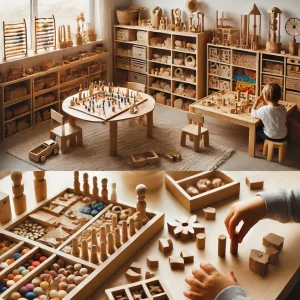
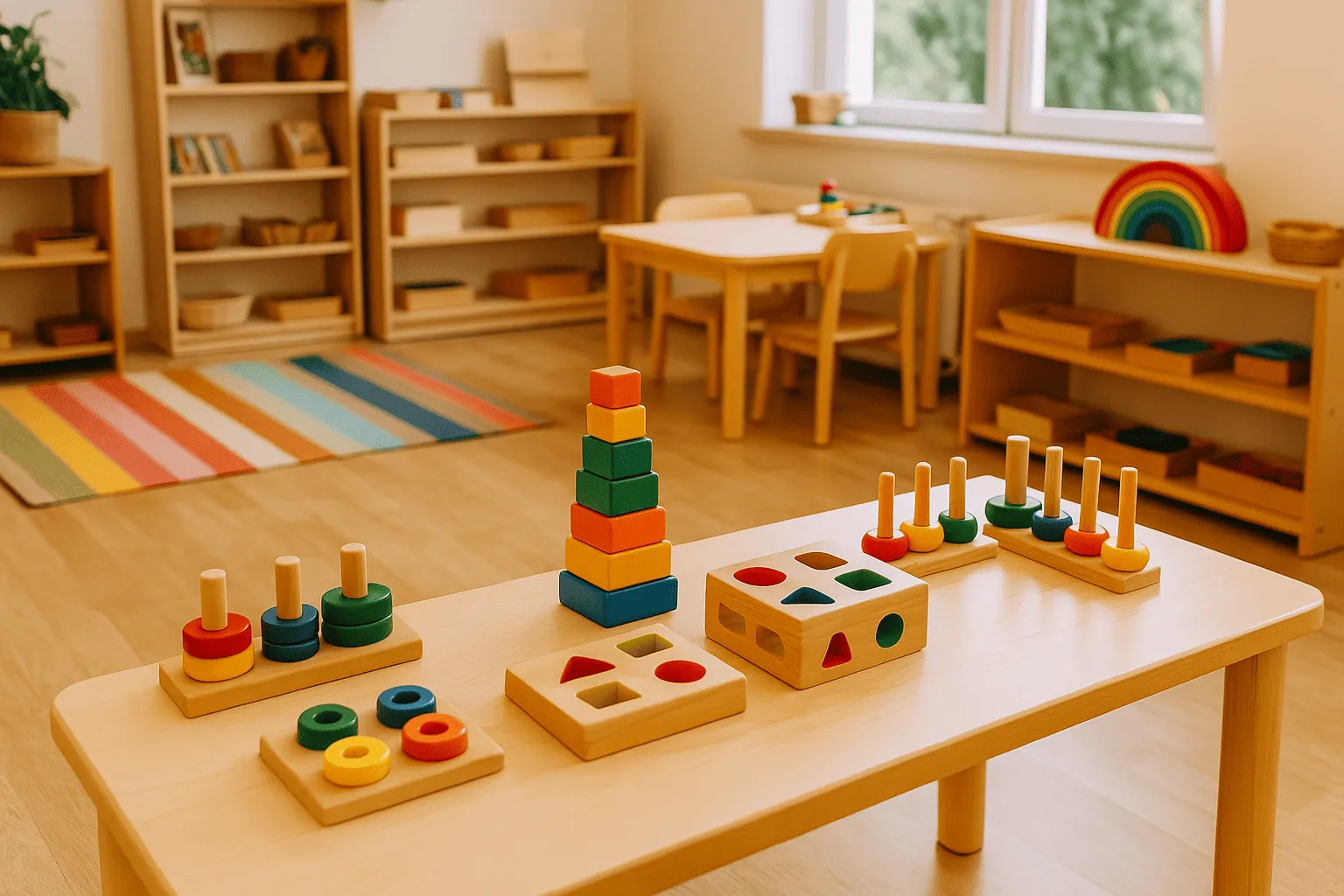
A prepared environment is essential in Montessori education. It refers to a space designed thoughtfully to support the child’s natural curiosity and independence. For example, imagine a traditional classroom that has been adapted for a Montessori approach. Rather than rows of desks facing a whiteboard, the room could feature low shelves with accessible materials and cozy work areas spread throughout. Children can choose their activities based on their interests, thereby fostering engagement and motivation. This concept is elaborated further in our complete guide to Montessori pedagogy.
Autonomy
Autonomy is a fundamental aspect of Montessori education. Children are encouraged to take control of their learning, which fosters confidence and decision-making skills. Consider a student teacher who is planning their first Montessori environment. They might implement an autonomy-driven setup by allowing children to select their work and manage their time. This empowerment allows kids to explore their interests deeply and enhances their intrinsic motivation.
Observation
Observation is a critical tool for Montessori educators. By closely observing children, teachers can glean insights into their interests and developmental needs. This information can significantly impact how they modify the learning environment. For instance, after observing a child’s fascination with insects, a teacher might create a small insect study area with books, models, and hands-on materials to further ignite that interest.
Sensory Learning
Montessori pedagogy strongly emphasizes sensory learning, integrating tactile experiences into the educational framework. For a traditional class adapting to Montessori methods, these could include incorporating sensory bins filled with natural materials such as sand, beans, or water. Such activities not only make learning fun but also facilitate a deeper understanding of concepts through direct experience.
Montessori Resources for Parents and Educators
For those embarking on the Montessori journey, numerous resources can help deepen understanding. Websites like this introduction to Montessori pedagogy provide foundational insights into this educational approach. Similarly, learning about María Montessori gives essential context for comprehending the method she developed.
Connecting with the Montessori Community
Engaging with the Montessori community is invaluable. Our global locator makes it easy to connect with nearby Montessori institutions. Finding a Montessori school near you can facilitate networking opportunities and support systems, helping parents and educators embrace this teaching philosophy more thoroughly.
Additional Reading Avenues
To further your knowledge and guidance on Montessori education, consider exploring the following articles: Comprehensive Guide for Parents and Educators, and Understanding the Montessori Method, which both offer rich insights into implementing Montessori strategies effectively.
Conclusion
The journey into Montessori pedagogy can be transformative for both educators and students. By prioritizing a prepared environment, promoting autonomy, practicing keen observation, and enhancing sensory learning experiences, educators can create an engaging atmosphere conducive to child’s development. As you continue to explore the wealth of resources available, including articles such as Understanding María Montessori and Understanding Montessori, remember that the pursuit of knowledge is a shared journey within the larger Montessori community. For more insights, revisit Understanding Montessori Pedagogy to further enhance your understanding and guide your children or students towards autonomy and joyful learning. Finally, don’t hesitate to connect with resources like the Montessori Maria website for ongoing support and information.