Introduction to Montessori Pedagogy
As more families embark on their educational journey, many search for “Montessori near me” or “Montessori school near me.” This natural quest for quality education is leading parents to explore the transformative aspects of Montessori pedagogy. Our website offers a global Montessori locator that can help families find schools in their area, such as Oberursel, Germany. Understanding Montessori principles can open doors to a nurturing and effective learning environment for children.
Understanding Montessori Principles
The Montessori pedagogy is built upon several key principles: prepared environment, autonomy, observation, and sensory learning. Each of these principles plays a vital role in creating an educational landscape that fosters independence and exploration. Let’s delve deeper into each principle with practical examples.
Prepared Environment
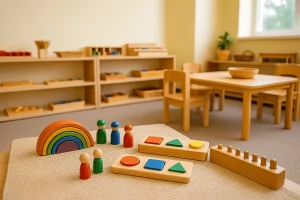
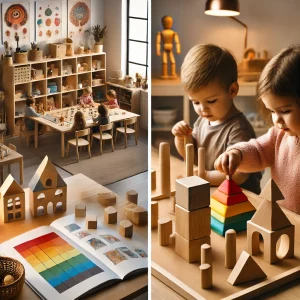
The prepared environment is crucial in a Montessori setting. It is designed to facilitate independent learning and development. In a traditional classroom being adapted to a Montessori approach, educators can start by rearranging furniture to create distinct areas for different activities—such as reading, art, and science. This setup encourages students to choose where they want to work, promoting a sense of ownership over their learning.
Autonomy
Autonomy is another essential principle of Montessori pedagogy. Students are encouraged to make choices about their learning. For example, a student teacher planning their first Montessori environment might allow children to select their tasks from a menu of activities. This not only helps in building decision-making skills but also fosters intrinsic motivation. When children are given the freedom to explore topics of interest, they are more engaged and eager to learn.
Observation
Observation is a fundamental element of Montessori education. Educators watch how children interact with materials and each other. In a traditional classroom transitioning to Montessori, teachers can document children’s interactions, noting interests and developmental stages. This insight allows teachers to tailor lessons that cater to individual needs and promote skills effectively.
Sensory Learning
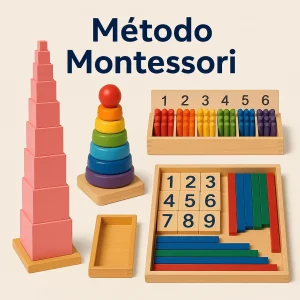
Sensory learning is at the heart of Montessori pedagogy. This approach emphasizes learning through the senses. A practical adaptation for a new Montessori environment might include sensory bins filled with different textures, smells, and colors. For instance, a bin with sand, water, and various natural elements can invite children to explore their senses while learning about nature and science.
Implementing Montessori in Your Educational Setting
Integrating Montessori principles into any educational setting can be an enriching experience for both students and educators. Resources like a complete guide on Montessori pedagogy can provide strategies and insights to achieve this goal.
Transitioning to Montessori
Educators transitioning from traditional teaching methods can start small. By focusing on one principle at a time, they can gradually shift their classroom dynamics. For example, starting with the prepared environment, teachers might rearrange spaces to encourage exploration, then introduce autonomy by allowing students to choose their learning paths.
Importance of Training
For teacher-training students, understanding Montessori principles is essential. A background in Montessori pedagogy equips future educators with invaluable skills. As you prepare for your teaching career, consider engaging with resources like our introduction to Montessori pedagogy. This foundational knowledge prepares you to create enriching environments that foster lifelong learners.
The Legacy of María Montessori
The principles of Montessori pedagogy are grounded in the legacy of María Montessori, who championed a child-centered approach to education. Her work emphasized observation and respect for the child’s natural development. Understanding her philosophy provides context for the implementation of Montessori methods today.
Additional Resources and Community Support
As you explore Montessori education, seeking additional resources can enhance your journey. The Montessori Maria website provides articles that delve deeper into the philosophy and practice of Montessori. For further reading, consider checking out our articles on different aspects of Montessori education, including:
- A Comprehensive Guide to Montessori Education
- Understanding the Montessori Method
- Understanding Maria Montessori
- Comprehensive Guide to Montessori for Parents
- Comprehensive Guide to Montessori Pedagogy
In addition to reading, parents and educators can enhance their understanding through community involvement. Connecting with local Montessori schools can foster a sense of unity and shared philosophy, and our Montessori locator can help facilitate these connections. Presented with so many resources, exploring Montessori options near you will become an enriching endeavor.
Conclusion
Montessori pedagogy offers a transformative approach to education, emphasizing individual growth and autonomy. Whether you’re a parent, educator, or teacher-training student, familiarizing yourself with these principles can significantly impact your teaching and learning environments. As you navigate the world of Montessori education, utilize the resources available, including those on the Montessori Maria website. By fostering a genuine understanding of children’s needs and capabilities, we can cultivate a generation of lifelong learners.