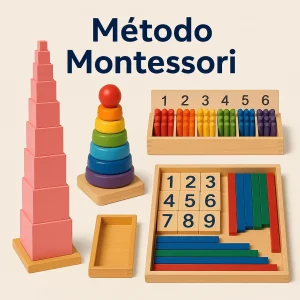
An Introduction to the Montessori Journey
Many families around the world begin their educational journey by searching for “Montessori near me” or “Montessori school near me.” This inquiry often stems from an interest in a holistic, child-centered approach to learning that promotes independence, creativity, and critical thinking. If you are one of those families or individuals interested in this innovative method, you can find a global Montessori locator at our website, which provides resources tailored to your location, including local examples such as Montessori in Oberursel, Germany.
Understanding Montessori Pedagogy
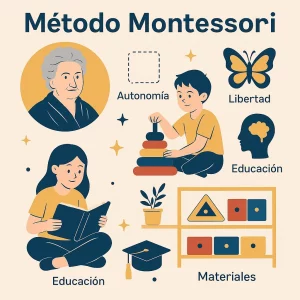
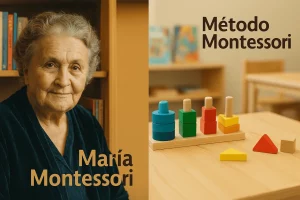
Montessori pedagogy, founded by Dr. Maria Montessori, comprises several foundational principles that guide teaching and learning. Understanding these principles can help parents, educators, and teacher-training students create enriching environments for growth. The four cornerstone principles include:
- Prepared Environment
- Autonomy
- Observation
- Sensory Learning
The Prepared Environment
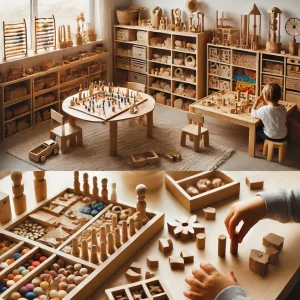
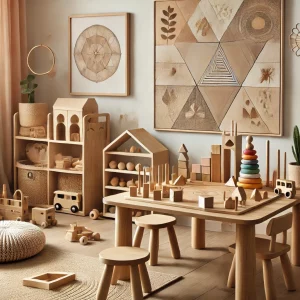
A prepared environment is essential for fostering learning in Montessori pedagogy. This involves creating a physical space that encourages exploration and discovery. In a traditional classroom adapting to the Montessori approach, educators might rearrange furniture to facilitate movement and collaboration. For example, using low shelves filled with accessible materials allows children to choose activities independently, promoting an intrinsic motivation to learn.
Autonomy
Autonomy is a core aspect of Montessori education, empowering children to make choices about their learning. For a student teacher planning their first Montessori environment, it is crucial to offer a range of activities that cater to individual interests. By allowing children to select tasks, the student teacher can cultivate a sense of responsibility and ownership over their learning journey. This principle aligns with an introduction to Montessori pedagogy, which fosters independence.
Observation
Observation is a vital tool in Montessori teaching. Educators are encouraged to observe children during activities to understand their interests and developmental stages. For instance, a teacher might notice that a child is particularly fascinated by colors while working with art materials. This insight allows the educator to introduce related activities that deepen the child’s understanding of color theory, enriching the learning experience.
Sensory Learning
Sensory learning is another crucial component of Montessori pedagogy. Children learn best through their senses, and incorporating sensory activities can enhance cognitive development. In a practical scenario, a traditional classroom can integrate sensory experiences by providing materials that engage multiple senses, such as sound boxes, tactile activities, and interactive nature walks. These experiences encourage children to explore their environment actively and meaningfully.
Real-World Applications of Montessori Principles
The principles of Montessori education can be applied to various settings, whether in homes, traditional classrooms, or specialized Montessori schools. By embracing these principles, educators and parents can foster a nurturing and responsive learning environment. Let’s delve deeper into practical applications:
Adapting a Traditional Classroom
Transforming a traditional classroom into a Montessori-inspired space involves thoughtful changes. Teachers can create learning centers that focus on specific subjects or skills, allowing students to engage with materials at their own pace. For example, a reading corner can be introduced with books organized by theme, while a math station may include manipulatives like counting beads. This adaptation encourages children to take initiative and responsibility for their learning.
A New Teacher’s Journey
For a student teacher embarking on their journey, planning a Montessori environment can be a rewarding experience. They should consider incorporating diverse learning materials that support discovery across various subjects. They might use open-ended questions to prompt critical thinking and create lesson plans that allow children to explore topics deeply rather than superficially. These practices echo the essence of Montessori, as highlighted in our complete guide to Montessori pedagogy.
The Role of Parents in Montessori Education
Parents play a crucial role in the success of Montessori pedagogy. By understanding its principles, they can support their child’s learning at home. Encouraging independence, providing enriching materials, and striking a balance between guidance and freedom can significantly impact a child’s educational journey. For parents seeking resources, the Montessori Maria website offers an array of articles to enhance your understanding, such as our recent posts on Montessori education, the Montessori method, and Maria Montessori.
Conclusion
Montessori pedagogy is more than just a method; it’s a philosophy that fosters a love for learning, independence, and critical thinking skills in children. Whether you are a parent, educator, or a student in teacher training, understanding these principles can profoundly impact the educational experiences you provide or create. To further explore Montessori pedagogy, be sure to visit the Montessori Maria website for additional resources, articles, and tools to assist you in your journey. Together, we can cultivate a nurturing and effective learning environment that embodies the spirit of Montessori.