The Search for Montessori Education
Today, parents around the world often find themselves searching for phrases like “Montessori near me” or “Montessori school near me.” These queries reflect a growing interest in Montessori education, a unique and child-centered approach that emphasizes independence, freedom within limits, and respect for a child’s natural psychological development. To facilitate this quest for knowledge and resources, our website includes a Montessori locator tool that helps you find schools and resources tailored to your needs. For example, you can visit Montessori near me or find information about Montessori school near me.
The Home Environment
Creating a Montessori-inspired home environment is vital for reinforcing the principles your child learns at school. A child’s home should be a place where they feel safe, independent, and curious. Simple adjustments can lead to remarkable changes in your child’s autonomy. For instance, consider creating a Montessori-inspired kitchen space. Set up a small table where your child can help prepare meals. Equip it with child-friendly utensils and ingredients within easy reach, allowing them to participate actively in the cooking process.
Practical Life Skills
Practical life skills form the foundation of the Montessori method. For example, involve your child in everyday chores like washing vegetables or setting the table. This not only enhances their motor skills but also boosts their confidence as they accomplish tasks independently. A child who can navigate the kitchen is also learning to self-regulate and take responsibility for their actions.
Independence Through Adaptation
Within a Montessori home, adapting spaces to suit your child’s needs is crucial. Lowering shelves or creating accessible toy storage can foster independence. For instance, if you have shelves in your living room, consider placing toys or books at a height your child can reach. This adjustment encourages them to choose what to play with or read and manage their belongings, instilling a sense of responsibility.
The School Environment
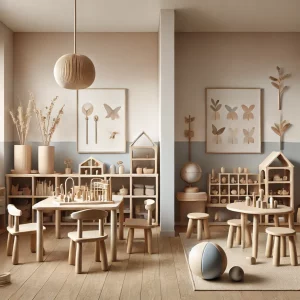
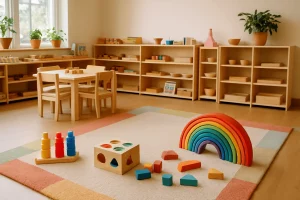
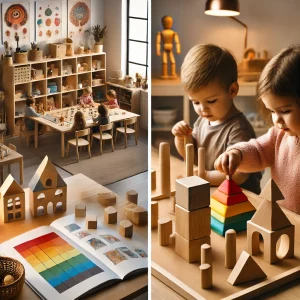
When it comes to Montessori education, the school environment plays a key role in a child’s development. Unlike traditional schooling systems, Montessori classrooms are designed to promote self-directed learning and collaboration among peers. Teachers serve as guides rather than traditional instructors, allowing the children to explore topics at their own pace.
Teacher Adaptations
For example, a Montessori teacher might notice that several students are struggling with a particular concept. Instead of addressing the entire class at once, they might adapt the shelves or materials available in the classroom to invite further exploration of that concept. By offering additional resources or hands-on activities, the teacher supports individualized learning and encourages students to revisit challenging subjects independently.
Fostering Community and Collaboration
A significant aspect of the Montessori approach is the idea of mixed-age classrooms. Rooms often contain children from different age groups, which fosters collaboration and peer learning. For instance, an older child may take on a mentorship role, assisting a younger peer with an activity. This not only reinforces the older child’s understanding but also nurtures social skills and empathy.
Emotional Development
Montessori education places a strong emphasis on emotional development, equipping children with the tools necessary for self-awareness and emotional regulation. Through carefully designed experiences, children learn to understand their feelings and those of others, laying the groundwork for effective communication and conflict resolution.
Encouraging Self-Regulation
A key aspect of emotional development in the Montessori environment is the focus on self-regulation. For instance, when a child becomes frustrated during a challenging task, a teacher might guide them in understanding and naming their emotions. By incorporating techniques such as deep breathing or taking a break, children learn to manage their feelings constructively. This fosters resilience and helps them develop coping strategies for future challenges.
Building Relationships
Montessori education promotes the growth of strong, supportive relationships among children. By working collaboratively, children learn the value of teamwork and the importance of trust. They engage in group projects and discussions, allowing them to express their thoughts and feelings openly. This encouragement of social interaction builds a sense of community and belonging in the classroom, which is vital for emotional well-being.
Conclusion
In summary, Montessori education integrates various facets of growth and development, from practical life skills to emotional intelligence. The home and school environments work synergistically to reinforce the principles of the Montessori method. As parents and educators, understanding this approach allows us to support our children’s development holistically. For a deeper insight into Montessori pedagogy, refer to our guía completa sobre la pedagogía Montessori or visit our introducción a la pedagogía Montessori for more resources.
For those seeking more information on this transformative approach, the Understanding Maria Montessori article provides valuable insights into her philosophy. Additionally, explore our latest articles on Montessori education at Montessori Education: A Comprehensive Guide and discover more ways to foster this approach at home or school. Visit the Montessori Maria platform and its AI assistant MarÍA for personalized guidance and support tailored to your needs.