Introduction
In today’s fast-paced world, parents and educators are increasingly drawn to unique educational philosophies, with Montessori being one of the most sought after. Parents across the globe often search for phrases like “Montessori near me” or “Montessori school near me” to find resources, schools, or guidance on implementing this child-centered learning approach. It’s essential for families to find places that align with their educational values, and our website offers a dedicated Montessori locator tool that helps parents discover nearby Montessori options, ensuring they can locate the best educational opportunities for their children.
The Home Environment
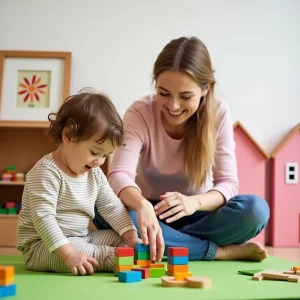
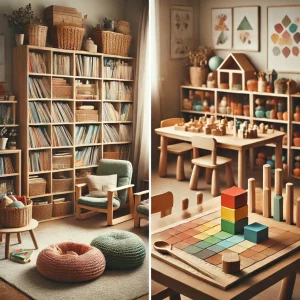
Creating a Montessori-inspired home environment begins with understanding that the setting should promote independence and encourage exploration. One effective method is to adapt the space in a way that empowers children to engage in daily activities. For instance, consider transforming a kitchen into a Montessori-friendly space.
Adapting Home Spaces for Independence
Imagine a family that sets up a small kitchen area where their child has access to child-sized utensils, plates, and even a low table. This setup not only fosters independence, allowing the child to serve themselves meals, but also builds practical life skills. By creating a dedicated space where children can engage in meaningful tasks—such as food preparation or setting the table—they learn responsibility and enhance their self-confidence.
In the realm of education, resources like a guía completa sobre la pedagogía Montessori can provide in-depth insights into the principles behind these practical applications. Understanding the philosophy allows parents to consistently integrate Montessori principles throughout the home.
Creating Learning Stations
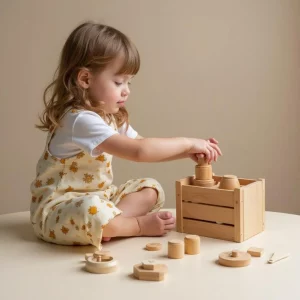
Another great example of implementing Montessori at home is through designated learning stations. A family can create art and science corners filled with relevant materials and tools that the child can access freely. For example, a child might have a shelf stocked with paints, brushes, recycled materials, and various crafting supplies to inspire creativity without constant parental intervention. This encourages exploration, learning through hands-on experiences, and the development of fine motor skills.
The School Environment
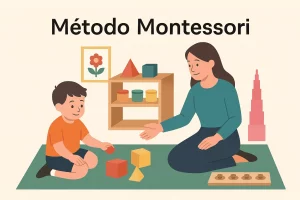
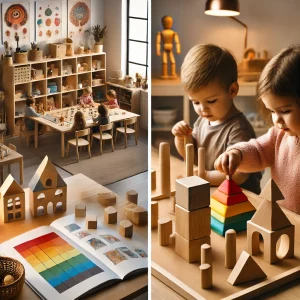
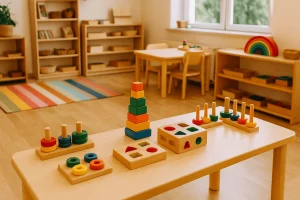
The school environment in a Montessori setting is structured to facilitate freedom within a framework. Classrooms are often designed to be inviting, with organized materials accessible to children, encouraging them to make choices and learn at their own pace.
Teacher’s Role in Montessori Education
In Montessori schools, teachers take on the role of guides rather than traditional instructors. A skilled teacher observes students’ interests and modifies the learning environment accordingly. For example, a teacher may notice that students are particularly engaged with math manipulatives and, in response, adjust the classroom setup by placing these materials in an accessible location, allowing children to explore math concepts collaboratively. This teacher’s intervention fosters autonomy and deepens understanding.
Emotional Development in Montessori Settings
Emotional development is a critical aspect of the Montessori approach. Self-regulation is a key concept that Montessori educators promote. Students learn to understand their feelings and impulses, which is vital for emotional intelligence. Children may engage in conflict resolution with the help of a teacher, learning to articulate their feelings and finding amicable solutions.
Emotional Development
Emotionally intelligent children develop resilience and empathy. For instance, when a child experiences frustration during a challenging task, a Montessori educator will guide them to pause, reflect, and approach the challenge again, allowing them to practice emotional regulation.
The Importance of Community
Alongside social and emotional skills, a sense of community plays a vital role in development. In Montessori settings, mixed-age classrooms foster collaboration among children of different ages, allowing for mentorship opportunities and the development of empathy. Older students may help younger peers, strengthening their leadership abilities while enabling younger children to learn from their peers.
For further insights into creating an emotionally supportive environment at home and at school, consider reading our comprehensive guide dedicated to understanding the intricacies of Montessori education.
Conclusion
Montessori education provides a robust framework that emphasizes independence, social cooperation, and emotional regulation, equipping children with essential life skills. Whether adapting environments at home or developing principles in school settings, the Montessori approach can profoundly impact children’s lives. By leveraging tools like the Montessori locator tool on our website, families can find invaluable resources and support that align with Montessori values.
As parents and educators explore the possibilities of Montessori through resources like introducción a la pedagogía Montessori, they embark on a transformative journey that nurtures a lifelong love of learning and personal growth. It is through understanding the philosophy and practical applications of this educational approach that we can truly empower our children on their paths of discovery and self-directed learning.
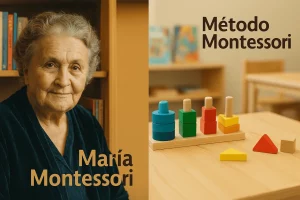
For more information and to delve deeper into the Montessori philosophy, visit the Maria Montessori section on our site and explore the enriching content available for parents and educators alike.
Lastly, don’t forget to check out our AI assistant, MarÍA, on the Montessori Maria platform for personalized guidance and resources tailored to your specific needs in implementing Montessori education at home or in school.