Introduction
In today’s world, many parents find themselves searching for the best educational paths for their children, often typing phrases like “Montessori near me” or “Montessori school near me” into their search engines. This isn’t just a casual quest for information; it reflects a deep desire for guidance in choosing the right educational environment that fosters independence and creativity. If you’re on this journey, our website offers a valuable Montessori locator tool to help you find nearby options. For instance, you could explore examples such as Montessori schools in Terni, Umbria to connect with local educational resources.
The Home Environment
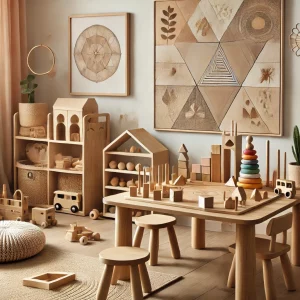
Creating a Montessori-inspired home begins with understanding the fundamental principles of this educational method. The goal is to craft an environment that nurtures independence and encourages self-direction. Parents can start by adapting everyday spaces to be more accommodating to their child’s needs.
Creating an Independent Learning Space
Consider setting up a dedicated learning nook for your child. This space should be equipped with materials that are accessible and inviting. For instance, a low bookshelf stocked with books within reach allows children to choose what they’d like to read. Moreover, parents can apply the Montessori concept of prepared environments by ensuring that materials are organized and displayed beautifully, encouraging exploration and discovery. In addition, parents can refer to our introduction to Montessori pedagogy for further insights.
Montessori-Inspired Kitchen Spaces
Transforming your kitchen into a Montessori-inspired space is an excellent way to promote daily life skills and responsibility. Parents can create a toddler-friendly area filled with child-sized utensils and storage. For example, dedicating a lower cabinet to kitchen tools that are safe and easy for children to handle empowers them to engage in food preparation alongside adults. This practice instills confidence and enhances their fine motor skills while encouraging healthy eating habits.
The School Environment
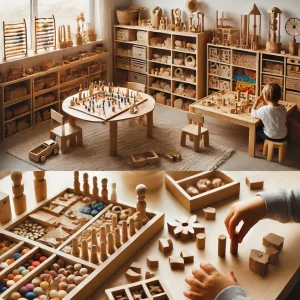
In the school setting, the Montessori approach flourishes when educators prioritize a child-centered learning environment. This involves thoughtfully arranged classrooms that foster exploration and engagement.
Freedom of Choice in the Classroom
In Montessori classrooms, children are given the freedom to choose their activities. This nurtures their autonomy while providing opportunities for self-regulation. For instance, a teacher may observe that a child is drawn to a specific tactile learning material. Instead of guiding them toward a different lesson, the teacher allows the child to explore this interest, leading to deeper learning and satisfaction. The role of educators in this context is crucial, as they must monitor and adapt materials to suit evolving interests. For comprehensive strategies, the guía completa sobre la pedagogía Montessori is a fantastic resource to explore.
Fostering Collaboration and Community
Montessori education also promotes a strong sense of community and collaboration among students. Group projects encourage children to work together, respecting each other’s ideas while learning vital social skills. For instance, in mixed-age classrooms, older students often take on mentoring roles, guiding younger peers through projects and fostering a spirit of cooperation. This collaborative dynamic not only strengthens their relationships but also enhances their emotional development.
Emotional Development
Emotional development is a foundational element in Montessori education, where teachers support students in developing self-awareness and emotional intelligence. Emotional regulation is emphasized as a core skill for children.
Promoting Independence and Self-Regulation
Students benefit immensely from the emphasis on self-regulation in Montessori classrooms. For example, when a child experiences frustration while working on a challenging task, the teacher might guide them through reflecting on their feelings instead of rushing to solve the problem for them. By learning to recognize and articulate their emotions, students become more resilient and better at navigating social interactions. This process prepares them for future challenges, both academically and personally.
Mindfulness and Emotional Awareness
Additionally, many Montessori classrooms incorporate mindfulness practices to support emotional health. Routine activities like deep-breathing exercises or quiet reflection time help children learn how to center themselves and process their feelings. These practices instill a sense of calm and focus, contributing to a positive classroom atmosphere where every student can thrive. The resources provided on the Montessori Maria platform explore these emotional development aspects in more detail.
Conclusion
For parents and educators eager to integrate Montessori education into their lives, understanding the principles of creating enriching environments—both at home and in school—is essential. By embracing the Montessori method, you can nurture independent, self-regulated, and emotionally intelligent children. Whether you’re searching for “Montessori near me” or examining local options via our Montessori school locator, remember that the journey of education is a shared adventure. We encourage you to explore the wide range of resources available at Montessori Maria and to utilize tools like our AI assistant, MarÍA, to guide your learning path.