Introduction
If you’re a parent, chances are you’ve typed phrases into your search engine like “Montessori near me” or “Montessori school near me.” You’re not alone; many families are on the hunt for educational alternatives that better suit their child’s unique way of learning. The Montessori approach, founded by María Montessori, offers an innovative path that encourages independence and a love for learning.
On our website, you can find a helpful search and guide section for locating Montessori-inspired learning around the world. For instance, if you’re looking for a specific school, check out the Montessori school in Terni, Umbria. This article will dive into the core principles of the Montessori methodology, equip you with the tools to incorporate it into your home, and share inspiring stories of families who have embraced this educational philosophy.
What is the Montessori Method?
The Montessori methodology is rooted in the philosophy that children learn best when they are free to explore their interests in a nurturing environment. According to the método Montessori, children are not mere recipients of knowledge; they are active participants in their learning journey.
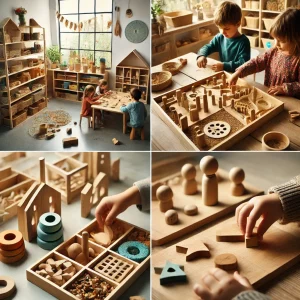
This approach is characterized by a specially prepared environment, hands-on learning materials, and the encouragement of child-led activities. This method promotes independence, respect for a child’s natural psychological, physical, and social development, and fosters a lifelong passion for learning.
The Role of Environment in Montessori Education
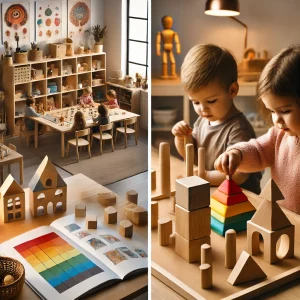
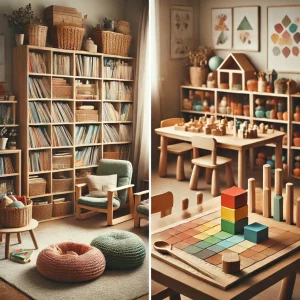
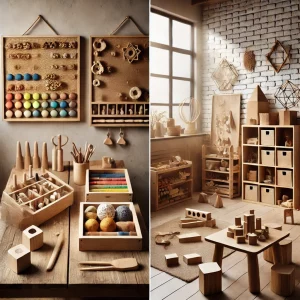
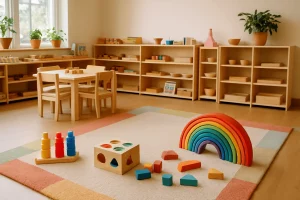
Creating an appropriate learning environment is crucial in Montessori education. Every item in the room is purposeful, scaled to a child’s size, and easily accessible. Imagine a scenario where a room is tailored for a child’s exploration; shelves stocked with various hands-on materials—everything from sensory activities to practical life tasks that allow children to practice real-world skills.
How to Incorporate Montessori at Home
You don’t have to enroll your child in a Montessori school to harness its principles. Many parents have successfully implemented Montessori techniques at home, creating a nurturing environment that promotes self-direction and independence.
For example, consider the story of the Smith family. Their daughter, Emma, was hesitant to engage in daily tasks and often requested help putting on her shoes or pouring her own drink. After discovering the Montessori approach, they began to set up a “work” area in their home that contained self-serve snacks and age-appropriate tools for tasks like pouring water or using utensils. Over time, Emma grew more confident and independent, proudly mastering these skills.
Encouraging Independence
One of the significant challenges many parents face is fostering independence in their children. The Montessori philosophy serves as an excellent guide for navigating these waters. Encouraging children to take initiative and exploring concepts independently enables them to develop critical thinking skills. By asking open-ended questions like, “What do you think will happen if you try that?” parents can guide their children’s exploration without imposing rigid structures.
Understanding Montessori Principles
The fundamental principles behind pedagogía Montessori focus on respect, observation, and fostering a love for learning. Observing your child without immediate intervention allows you to appreciate their interests and areas for growth, thus providing appropriate resources and support.
Real-Life Applications of Montessori
Another family, the Johnsons, had two children with vastly different learning styles. By integrating Montessori principles, they tailored approaches to each child’s unique needs. For their son, who loved construction, they provided building blocks and tools, allowing him to explore engineering concepts. Meanwhile, their daughter, who was fascinated by nature, had a small garden where she could learn about plants hands-on.
These real-life experiences underline the adaptability of the Montessori framework, which can be molded to fit any child’s interests and needs. Through personalized exploration and play, children can thoroughly engage with their surroundings, leading to meaningful learning experiences.
Finding Montessori Resources
As you explore the Montessori world, finding resources to support your family’s journey is essential. Our website offers various articles dedicated to educating parents on the method. If you’re seeking further insights, you might find the article titled Montessori Pedagogy: A Comprehensive Guide for Parents, Educators, and Teacher Training Students particularly helpful.
The Role of Technology: Meet MarÍA
In today’s digital age, we are thrilled to introduce an AI assistant named MarÍA on the Montessori Maria website. This assistant is trained specifically in Montessori methodology and can guide you through various questions or concerns you may have. Whether you’re curious about activities you can do at home or looking for resources to enrich your child’s learning, MarÍA can help point you in the right direction.
Conclusion: Embrace the Montessori Approach
As a parent considering Montessori, you’re already taking a significant step in supporting your child’s educational journey. Embarking on this path requires patience, creativity, and a willingness to explore. Remember, the Montessori philosophy emphasizes that every child’s learning process is unique, and there’s no one-size-fits-all approach.
For those still searching, our website provides a comprehensive Montessori near me tool to help locate schools and resources in your area. Additionally, articles like Discovering Maria Montessori: A Guide for Parents and Educators and Understanding Montessori: A Guide for Parents Seeking Educational Alternatives can further enhance your understanding and ability to implement these educational approaches effectively.
Embrace the journey, explore opportunities, and witness the remarkable growth your child is capable of achieving through the Montessori method.