Understanding Montessori: A Growing Trend Among Families
In today’s digital age, many families are exploring educational philosophies that prioritize their children’s independence and natural development. If you’ve ever found yourself typing “Montessori near me” or “Montessori school near me” into a search engine, you’re not alone. These phrases are increasingly common as parents worldwide search for suitable educational environments for their children. Fortunately, our website offers a helpful search and guide section to locate Montessori-inspired learning near you—whether you’re in the bustling heart of a city or a peaceful countryside.
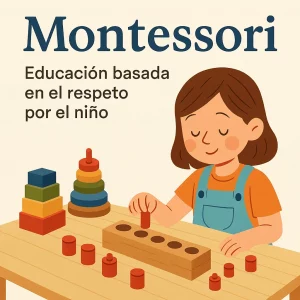
Understanding what “Montessori” truly means can transform the way parents approach education. This method, developed by María Montessori, emphasizes learning through exploration and respect for a child’s natural development, fostering an environment where children take the lead in their learning.
What is Montessori Learning?
The Montessori method is much more than just a teaching style; it encapsulates a philosophy that applies to various aspects of education and daily life. This approach encourages children to engage with their environment, make independent choices, and learn at their own pace. A common misconception is that Montessori is strictly for preschool-aged children. In reality, the principles of método Montessori can be implemented at various educational levels and even at home.
Real-life Application of Montessori at Home
Consider the Smith family. Jane and Mark were feeling overwhelmed with their four-year-old daughter, Lily, who seemed to struggle with independence. After endless battles over dressing herself and refusing to eat her dinner, they stumbled across the Montessori approach. Intrigued, they researched and soon began implementing Montessori activities at home.
They started offering Lily choices, such as selecting her outfits from a range of age-appropriate clothing and letting her help prepare simple meals. Over time, they noticed a significant change. Instead of clinging to them for help, Lily gained confidence and developed a sense of pride in her achievements. What started as a simple exploration into Montessori opened doors to a lifestyle that promoted independence and responsibility.
Finding Montessori Schools
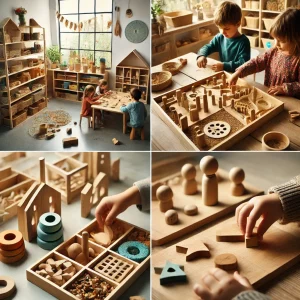
If you’re considering a structured Montessori environment for your child, it’s essential to find a school that genuinely reflects Montessori principles. To support parents in this journey, our website features a dedicated section for finding Montessori schools close to your location. This type of education incorporates hands-on learning, mixed-age classrooms, and highly trained educators. It’s crucial to visit potential schools and observe classes to ensure they align with your educational philosophy.
Montessori Philosophy in Everyday Life
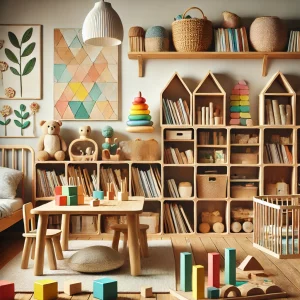
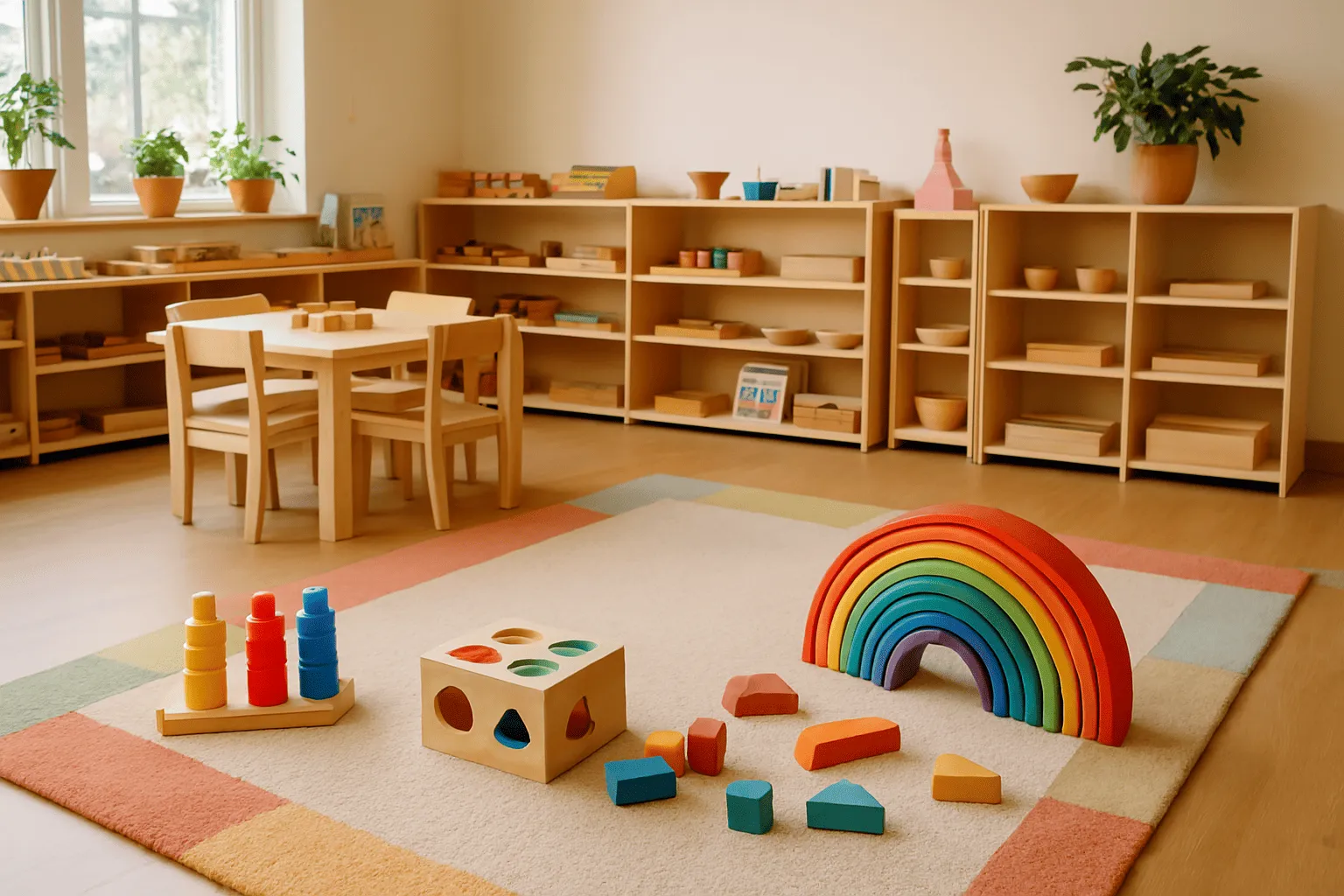
Adopting Montessori principles doesn’t have to start with formal schooling. Many parents incorporate elements of pedagogía Montessori into their daily routines. For instance, when having your child help with household chores, provide them with child-sized tools, and step back to allow them to explore and learn through their actions. The philosophy encourages parents to create a prepared environment where children feel empowered to learn and explore.
Building Independence in Children
The foundation of Montessori education lies heavily on fostering independence. Parents often face challenges when they encourage their children to do tasks without assistance. Take Emily, a single mother of a six-year-old boy, Oliver, who had become increasingly reliant on her for daily tasks such as tying his shoes. After introducing Montessori principles, Emily started encouraging Oliver to try on his own instead of rushing to show him how to do it.
By treating every small task as an opportunity for development, including dressing, self-care, and even helping out with little chores, Emily noticed Oliver’s newfound enthusiasm for tasks he had previously avoided. Allowing him the space to struggle, make mistakes, and ultimately succeed fostered his sense of self and minimized dependency on his mom. The results were rewarding both for Oliver and Emily.
Mindful Engagement with Children
Another vital aspect of the Montessori approach is the interaction between adults and children. It’s all about being present and engaged. Instead of directing the activity, parents should observe and support. When asking questions, the focus should be on encouraging critical thinking rather than seeking a specific answer. For instance, during mealtime, rather than asking “What do you want?”, try “What are you hungry for?” This subtle shift allows children to think and express themselves freely.
Community Resources and Support
Resources abound for parents interested in exploring Montessori education deeper. Engage with local communities, either online or in-person, to exchange experiences and suggestions. The Montessori Maria website offers a plethora of articles and tips on how to adapt Montessori methods at home and facilitate an enriching environment for your child.
Utilizing Technology in Montessori Learning
Incorporating technology doesn’t mean abandoning Montessori principles. Tools like online courses and apps designed around Montessori methodologies can provide parents with guidance and inspiration. One innovative feature on the Montessori Maria website is an AI assistant called MarÍA, which is specifically trained in Montessori methodology. The MarÍA assistant can answer questions and provide tailored advice, making the process of understanding and implementing Montessori at home much easier.
Benefits of Montessori Education
Research consistently shows that children enrolled in Montessori schools exhibit better problem-solving skills, social skills, and a more profound love of learning. Children learn how to learn. The independent, hands-on learning experiences shape their character and prepare them for future academic success.
Conclusion: A Journey Towards Empowerment
Exploring Montessori doesn’t just enrich your child’s education; it can transform your family’s dynamic. By fostering independence, creating a supportive environment, and embracing the principles of learning, you prepare your child for a future filled with opportunities and resilience. No matter where you are on this journey, whether navigating the search for “Montessori near me” or integrating these practices into your home, resources are available to help guide you.
Together with our community and the various tools at your disposal, the exploration of Montessori can potentially lead to a transformative experience in your child’s education and development. For more insights and resources, don’t hesitate to visit our Montessori resource page, where you will also find our five latest articles to keep you updated on Montessori practices and philosophies.
Embrace the journey of discovery and growth with Montessori as your guide.