Introduction to Montessori
As parents start their journey in searching for the best educational options for their children, many find themselves typing phrases like “Montessori near me” or “Montessori school near me” into their search engines. This reflects a growing interest in the Montessori approach, a child-centered educational methodology that nurtures independence and fosters a love for learning. For those eager to learn more about Montessori, our website offers a helpful search and guide section to locate Montessori-inspired learning environments around the world. For instance, if you’re in Terni, Umbria, you can check out our dedicated page on a nearby Montessori school.
The Montessori Method: A Brief Overview
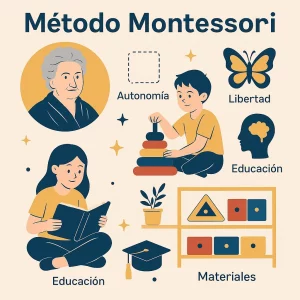
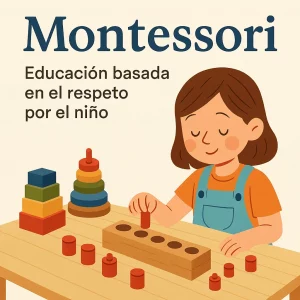
The Montessori method, developed by María Montessori, is based on the understanding that children learn best when they choose their activities. This educational philosophy invites children to explore their interests, rather than following a rigid curriculum. The Montessori classroom is filled with carefully-designed materials that allow children to engage in self-directed learning, promoting critical thinking, creativity, and collaboration.
Key Principles of Montessori Education
Core principles of Montessori education include:
- Child-Centered Learning: The child is seen as an active participant in the learning process.
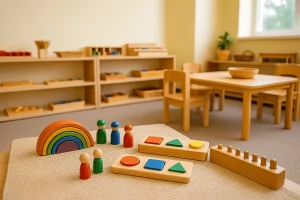
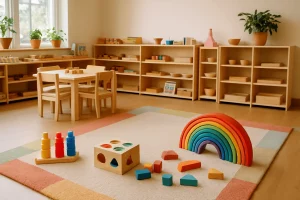
- Prepared Environment: Learning spaces are designed with materials that facilitate independent exploration.
- Mixed Age Classrooms: Children of different ages learn from one another, fostering community and mentorship.
- Intrinsic Motivation: Learners are motivated by their interests and natural curiosity.
Real-Life Experience: Discovering Montessori at Home
Let’s consider a family named the Johnsons. They were facing challenges with their five-year-old son, Ethan, who resisted structured activities and seemed uninterested in traditional learning. After discovering the principles of Montessori through fellow parents, they decided to give it a try at home. The Johnsons created a learning corner with sensory materials such as colored beads, sandpaper letters, and art supplies, allowing Ethan to engage in self-directed projects.
Initially skeptical, the Johnsons watched in awe as Ethan transformed their living room into a mini classroom filled with enthusiastic exploration. They implemented the Montessori philosophy by encouraging him to make choices, which improved his focus and creativity. This experience not only helped Ethan but also educated the parents about the Montessori philosophy.
Addressing Independence Struggles
Many parents find the transition to independence challenging. Take Sarah, for example, who struggled to let her daughter, Mia, dress herself. Every morning felt like a tug-of-war. After reading about Montessori principles, Sarah learned the importance of allowing children to build autonomy. By providing Mia with a selection of clothes and stepping back, Sarah witnessed Mia revel in her newfound independence.
Mia began to express herself through her attire and developed confidence in making choices. Sarah found clarity in the Montessori approach, understanding that fostering independence could lead to greater self-esteem and decision-making skills for Mia.
The Role of Observation in the Montessori Method
A critical aspect of the Montessori method is observation. Educators and parents learn to observe children without interference, allowing them to discover their passions at their own pace. This non-intrusive observation helps in understanding the child’s needs and interests, making it easier to tailor learning experiences that resonate with them.
Building a Montessori-Friendly Home
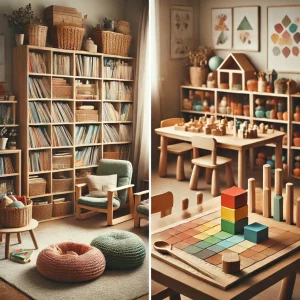
Creating a Montessori-friendly environment at home is straightforward yet impactful. Here are some practical tips:
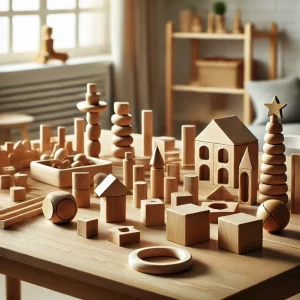
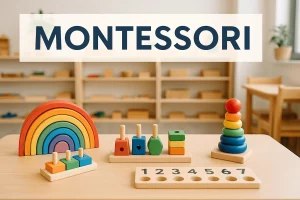
- Choose Natural Materials: Opt for wooden toys, fabrics, and other organic materials that stimulate the senses.
- Limit Screen Time: Encourage hands-on activities instead of relying on screens for entertainment.
- Create a Learning Space: Dedicate an area for creative play and exploration with accessible materials.
The Global Montessori Community
The Montessori community extends beyond individual classrooms. Families worldwide are connecting over shared experiences and resources. Websites like Montessori Maria offer directories to find local schools, workshops, and community events, allowing parents to engage with others passionate about Montessori education.
Educational Resources and Articles
Our website also features numerous articles that dive deeper into the framework of pedagogía Montessori. These resources are invaluable for parents seeking to understand how to adopt Montessori methods in various contexts, including home and school.
For instance, one of our recent articles outlines the fundamental aspects of Montessori education in a comprehensive manner. You can read about these insights in this article.
MarÍA: Your AI Assistant for Montessori
To make the journey even smoother, we have introduced an AI assistant named MarÍA, specifically trained in Montessori principles. This assistant is designed to answer your questions about Montessori education, helping you navigate the complexities of child development and learning. Just visit the Montessori Maria website to start your journey with MarÍA.
Getting Started with Montessori
If you’re eager to dive deeper into the Montessori experience, consider accessing our resources that break down the fundamentals of the Montessori method. Whether you’re looking to find a nearby school or implement techniques at home, there is a wealth of information available for every stage of your journey.
Conclusion: A Path Toward Empowerment
In conclusion, the Montessori approach offers an empowering path for both children and parents. By fostering a child’s independence and curiosity, you’re laying a foundation of lifelong learning. Whether you’re exploring the local Montessori schools or adapting the methodology in your home, remember that the journey is just as important as the destination.
Investing time to understand the Montessori philosophy can open up a world of possibilities for your child. Whether it’s within a classroom or at home, the principles of Montessori provide practical strategies for nurturing your child’s growth. Make the most of the resources available and join the community of Montessori families to share your experiences and learn from one another.