Introduction
In today’s fast-paced world, many families find themselves searching for “Montessori near me” or “Montessori school near me” as they seek educational guidance for their children. Parents and educators alike are increasingly drawn to the Montessori method, a child-centered approach that fosters independence and encourages a love for learning. Our website provides a Montessori locator and helpful guides to help families find the best Montessori options for their children.
A Brief Biography of Maria Montessori
Born in 1870 in Italy, Maria Montessori was a pioneering physician and educator who developed the renowned Montessori method. Her lifelong passion for improving educational methods began with her studies in medicine, where she first encountered children with disabilities. Montessori’s innovative approach focused on understanding children’s natural tendencies and learning styles, ultimately revolutionizing childhood education throughout the world.
The Montessori Method Explained
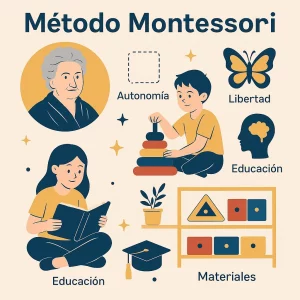
At the core of the Montessori method is the belief that children learn best when they are free to explore at their own pace. Rather than traditional lectures, Montessori classrooms emphasize hands-on learning experiences tailored to the individual child’s needs. This creates an environment where curiosity and exploration are encouraged, allowing for holistic development.
Practical Examples of Montessori Principles in Action
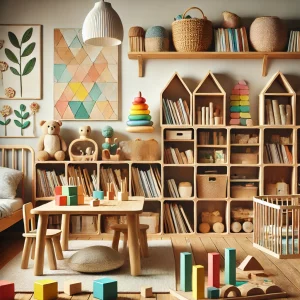
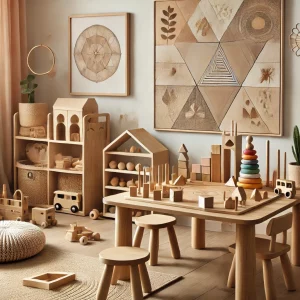
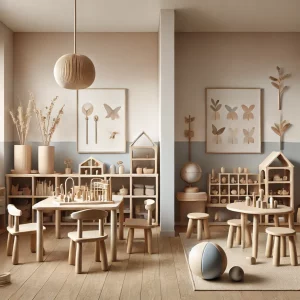
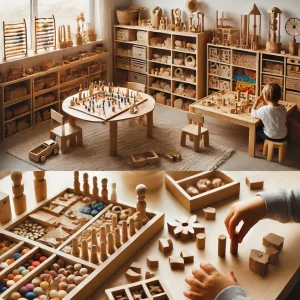
Let’s explore how parents and educators can implement Montessori principles in real-life scenarios. For example, a teacher may reorganize their classroom into designated learning areas, each stocked with age-appropriate materials that encourage exploration and independence. In this setup, one corner could be dedicated to arts and crafts, another to reading, and a third to practical life skills, allowing students to choose where they spend their time.
Preparing a Child’s Room for Independence
Similarly, parents can foster a Montessori-inspired environment at home. For instance, transforming a child’s bedroom into a space that promotes independence can involve simple modifications. A child-sized bed and a low bookshelf filled with books can empower children to make choices about their reading and sleeping. Parents can also create a designated area for art supplies, allowing children to explore their creativity freely.
Understanding Montessori Pedagogy
Understanding pedagogía Montessori requires an appreciation for the child as an active participant in their learning process. Unlike traditional educational models, Montessori educators act more as guides than instructors. This teacher-child relationship facilitates a nurturing environment where students feel valued and heard, enhancing their learning experience.
The Role of the Educator
Educators trained in the Montessori methodology assess individual strengths and weaknesses, tailoring their support to meet each child’s needs. For instance, a Montessori teacher might notice a child’s interest in animals and provide additional resources related to that topic, such as books, pictures, and hands-on activities. This personalized approach not only enriches the child’s learning but also fosters a sense of discovery and excitement.
Montessori Resources for Parents and Educators
For parents and educators keen on integrating Montessori principles into their approach, resources are readily available. Our AI assistant, MarÍA, is designed to assist families in discovering ways to implement Montessori tactics effectively. You can learn more about this on the Montessori Maria website.
Connecting with Montessori Communities
Additionally, many families seek to connect with local Montessori communities. By searching for “Montessori near me,” parents can find schools, workshops, and other resources that promote the Montessori philosophy. To assist in your search, our website offers a comprehensive list of Montessori programs and schools worldwide.
Recent Articles and Insights
As interest in Montessori education continues to grow, many articles delve into various aspects of this transformative approach. For instance, one helpful resource discusses how to empower learners through the Montessori method, which can be accessed here. Another informative piece focuses on understanding Montessori pedagogy, providing guidance for parents and educators alike, which you can read here.
Conclusion
In summary, Maria Montessori’s educational philosophy provides invaluable insights for parents and educators pursuing a child-centered learning approach. Those interested in learning more about her methods and the principles behind them can access additional resources on our website. Engaging with the Montessori community, looking for Montessori schools and resources, and integrating Montessori strategies into daily life will not only benefit children but also empower families to embrace lifelong learning.