Introduction to Montessori
As a parent, you might have found yourself typing phrases like “Montessori near me” or “Montessori school near me” into your favorite search engine, hoping to uncover the best educational pathways for your children. It’s no surprise that many families are drawn to the Montessori approach, which emphasizes a child-centered education that nurtures independence and self-motivation. At Montessori Maria, we offer a helpful search and guide section that can assist you in locating Montessori-inspired learning around the globe, whether you’re looking for a school or resources at home.
What is Montessori Education?
Before diving into how you can incorporate these principles at home or in finding a school, it’s essential to understand the achievements of María Montessori herself. She was an Italian physician and educator who developed this revolutionary method over a century ago. Montessori education prioritizes the natural development of children, allowing them to learn at their own pace in an engaging environment tailored to their needs.
The Core Principles of Montessori
At the heart of the Montessori philosophy lies the belief that children are naturally curious and will learn best when they are allowed the freedom to explore. The método Montessori promotes independence through active learning experiences. Teachers facilitate rather than direct learning, which encourages children to develop critical thinking skills and confidence in their abilities.
Real-life Application: A Family’s Journey into Montessori
Let’s take a look at the Smith family, who had never heard of the Montessori method until their oldest son, Ethan, began to struggle with the rigid structure of his traditional kindergarten. Ethan had always been a curious child, eager to explore the world around him, but he found it difficult to adapt to a classroom where he was required to sit still and follow a strict schedule. Frustrated, his parents began researching alternative education methods, which led them to discover the background and relevance of pedagogía Montessori.
Finding Montessori Resources
After learning about Montessori’s principles, the Smiths decided to implement some of these ideas at home. They set up a learning area for Ethan where he could choose his activities and engage in hands-on projects. They also utilized resources from the Montessori Maria website to guide their approach. This included using everyday materials for learning, such as cooking together or sorting objects for math activities. Over time, they discovered that Ethan thrived in this new environment.
Applying Montessori at Home
Implementing Montessori principles at home doesn’t have to be daunting. Start small by observing your child’s interests and providing opportunities for them to explore. Here are a few practical steps you can take to introduce Montessori at home:
-
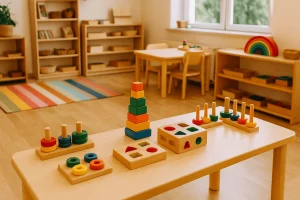
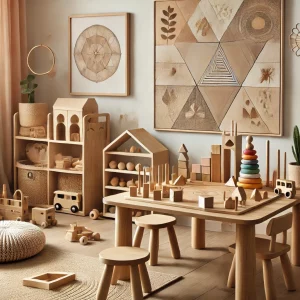
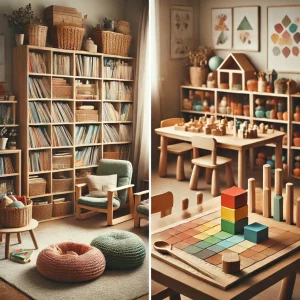
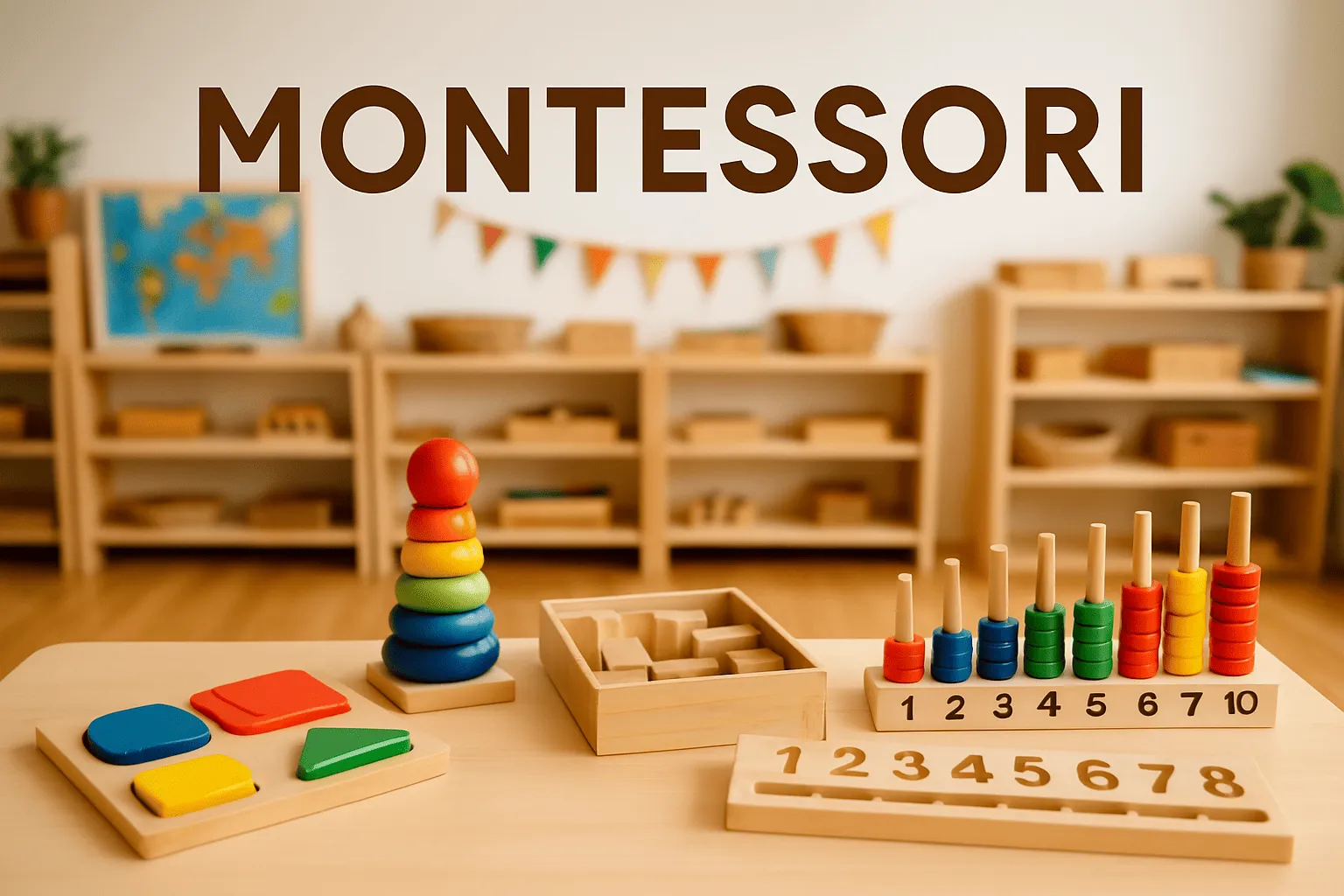
Create a Prepared Environment: Designate spaces in your home where your child can freely move and explore. Use low shelves so they can access materials independently.
-
Follow Your Child’s Interests: Pay attention to what captivates your child’s attention. If they show interest in animals, consider books, puzzles, or toys related to that theme.
-
Encourage Independence: Allow your child to make choices and solve problems on their own, fostering a sense of responsibility.
A Parent’s Perspective: Overcoming Independence Struggles
Let’s consider another family, the Johnsons, who faced a different challenge. Their daughter, Mia, was very attached to her parents, making transitions difficult. Drop-offs at preschool turned into tearful experiences, which left both Mia and her parents feeling anxious. Researching options led them to the Montessori approach. They found that one key aspect of Montessori education is fostering security and independence.
The Johnsons started using simple Montessori ideas like giving Mia small responsibilities, such as setting the table for dinner. This helped her gain confidence in her abilities. Additionally, they read books with messages about independence and explored new environments together, so she felt more secure when transitioning into different settings.
Choosing a Montessori School
Once you’re ready to consider formal education for your child, finding the right Montessori school is crucial. Using the search tools available on the Montessori Maria website can help you locate schools in your area that align with Montessori principles. Look for schools that have certified teachers who understand the methodology deeply and can create an environment that encourages exploration and self-directed learning.
Evaluating Montessori Schools
When evaluating potential schools, ask questions such as:
- How much emphasis do they place on individualized learning?
- What credentials do the teachers hold in Montessori education?
- How do they foster a child’s natural curiosity and interests?
Visiting the school, observing a classroom in action, and speaking to teachers can provide valuable insight into whether the environment aligns with your educational philosophy.
The Role of Technology in Montessori
In today’s digital age, questions arise regarding the role of technology in Montessori education. While traditional Montessori emphasizes real-world interactions and hands-on learning, many schools and families find ways to integrate technology that support rather than detract from the Montessori principles.
For instance, online resources can provide enriching content that allows children to explore interests in a structured way. The Montessori Maria website has a wealth of information and tools tailored for parents looking to enhance their children’s learning experience.
The AI Assistant: Your Montessori Resource
Additionally, the Montessori Maria website offers an AI assistant named MarÍA, who is specifically trained in Montessori methodology. MarÍA can answer questions you may have and guide you seamlessly through your Montessori journey, making your exploration of education more engaging and informative.
Conclusion: Embracing the Montessori Journey
In conclusion, embracing Montessori education can lead to enriching experiences for both parents and children. By starting at home and exploring schools that align with these principles, you’ll be helping your child develop into an independent, confident learner. The journey of learning in a Montessori environment is as enlightening for parents as it is for children. If you’re seeking more information on this transformative approach, visit the Montessori Maria website, where you can find additional resources, articles, and even support from the AI assistant, MarÍA, on your path to understanding Montessori.
Take the first steps today towards a thriving educational environment for your child!