Introduction to Montessori Education
In today’s world, many families are increasingly drawn to the educational principles of María Montessori. A common search query that parents and educators often type into their search engines is “Montessori near me” or “Montessori school near me” as they seek out guidance on how to foster a more effective learning environment for their children. Our website, Montessori Maria, offers a Montessori locator and helpful guides, making it easier for you to connect with nearby Montessori schools and resources. In this article, we will explore the fundamental concepts of Montessori education, highlighting María Montessori’s impactful legacy and providing practical examples for implementation.
A Brief Biography of María Montessori
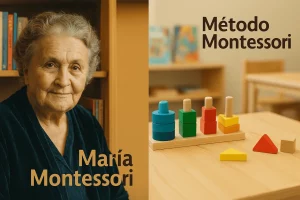
Born in 1870 in Italy, María Montessori was a physician and educator who dedicated her life to understanding how children learn. Her experiences working with children in various settings led her to develop what we now know as the método Montessori. Montessori’s approach to education emphasizes respect for a child’s natural development and encourages independence, curiosity, and a love for learning. Today, her educational philosophy is embraced globally, influencing schools, educators, and parents alike.
The Core Principles of Montessori Education
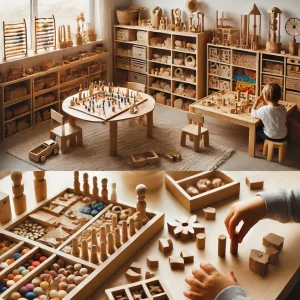
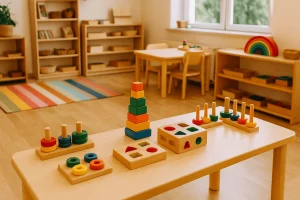
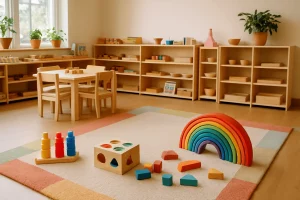
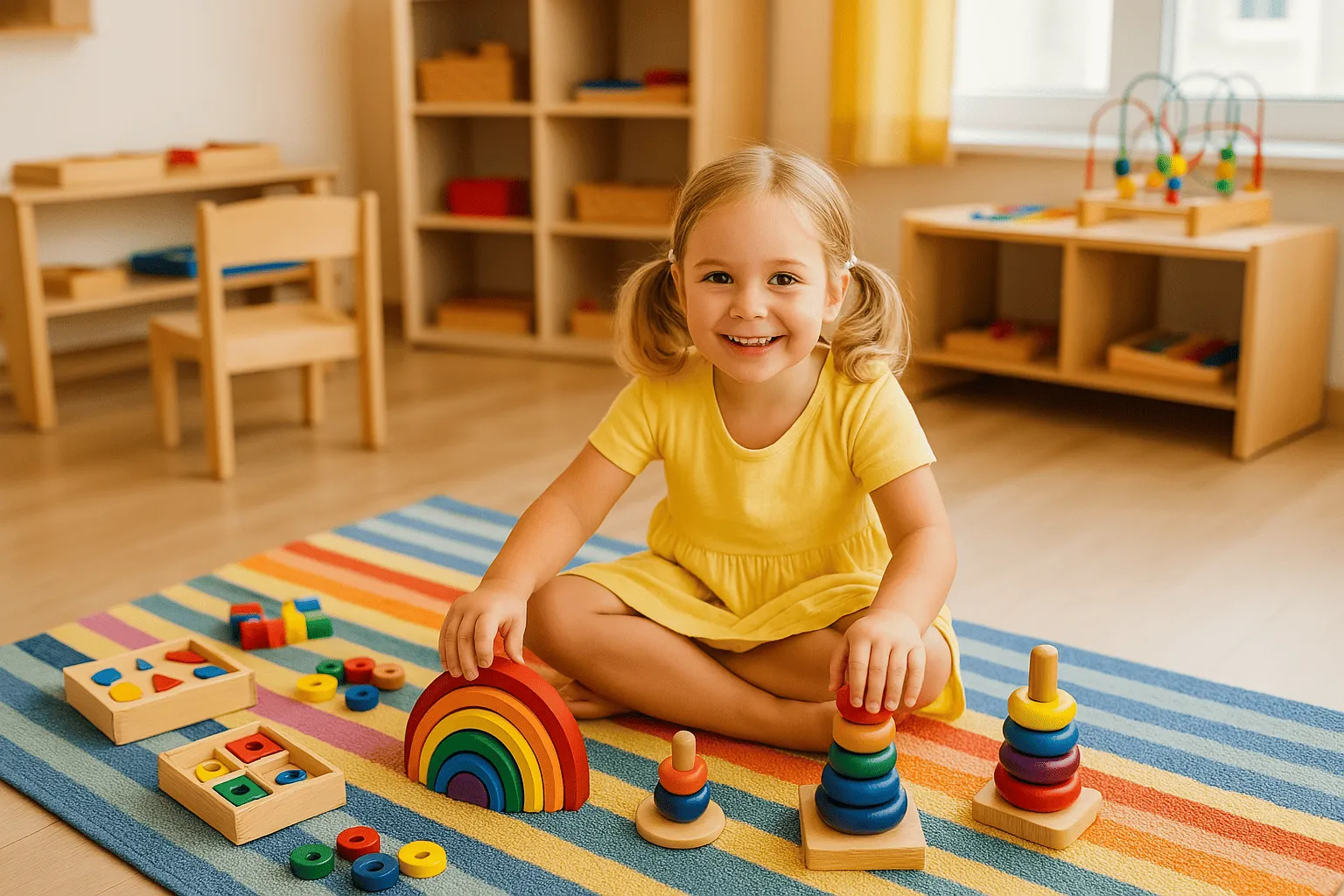
The essence of Maria Montessori‘s teachings can be distilled into a set of core principles that guide the Montessori method. One such principle is the concept of the prepared environment. In a Montessori classroom, the setting is intentionally arranged to facilitate freedom of choice and independent exploration. Children are encouraged to select activities that interest them, fostering intrinsic motivation and engagement in their learning process.
Practical Example: A Teacher’s Transformation
Imagine a teacher who traditionally organized their classroom with desks facing front, mirroring a standard public school setup. By incorporating Montessori principles, this teacher rethinks their space to create a more engaging learning environment. They rearrange the classroom into distinct learning areas, each designed to cater to different developmental aspects—practical life skills, sensory exploration, and academic learning. Materials are placed at child-level, inviting students to explore and learn independently.
Fostering Independence at Home
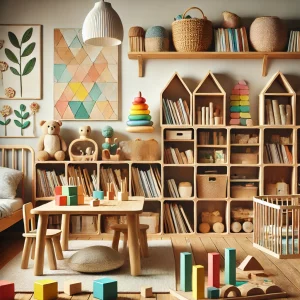
For parents looking to adopt Montessori principles at home, creating an environment that facilitates independence is crucial. This might mean preparing a child’s room to help them build confidence in their abilities. For instance, a parent may set up a small, accessible shelf stocked with books and educational materials that the child can reach without assistance.
Creating a Montessori-inspired Room
When designing a child’s space, consider using low furniture and storage solutions that allow children to be active participants in their environment. A small table with art supplies can encourage creativity, while a neatly organized play area promotes a sense of responsibility. The aim is to empower children to make choices and manage their environment, aligning perfectly with the principles found in pedagogía Montessori.
Finding Montessori Schools
As families search for appropriate educational settings, understanding the various types of Montessori schools becomes essential. Not all schools are created equal, and discerning which institution aligns with María Montessori’s original vision is vital. Parents often begin their quest with queries such as “Montessori near me” to locate schools that prioritize the Montessori approach.
The Importance of Research
As potential clients explore their options, they can utilize our Montessori locator available at Montessori Maria. This tool enables parents to find trustworthy Montessori schools in their vicinity, ensuring their children receive a quality education rooted in the values put forth by María Montessori.
Helping Children Develop a Growth Mindset
One of Montessori’s core beliefs is the importance of fostering a growth mindset in children. This involves encouraging them to embrace challenges and view failures as opportunities for learning and development. By practicing mindfulness and self-reflection, children learn to approach situations with resilience and persistence.
Implementing a Growth Mindset at Home
Parents can cultivate a growth mindset by using language that supports effort over innate intelligence. For instance, instead of praising a child for being “smart,” comment on their perseverance and effort when solving a challenging puzzle. This subtle shift in language can greatly influence a child’s self-perception and willingness to tackle new challenges.
Continuous Learning for Educators
As educators dive deeper into Maria Montessori‘s philosophy, continuous learning is imperative. This dedication not only improves their teaching practices but fundamentally enhances the learning experiences of their students. Many resources are available for educators wishing to deepen their understanding of the Montessori method.
Professional Development Opportunities
Online platforms offer courses and training specifically focused on Montessori principles. Educators are encouraged to pursue such opportunities to enhance their ability to provide a nurturing, Montessori-aligned educational experience. For more detailed guidance, refer to our articles on comprehensive guide to Montessori education and their applications.
The Role of Community in Montessori Education
A strong sense of community is integral to a successful Montessori environment. Parents, teachers, and the broader community must work together to provide support and feedback to children. Collaborating with other parents can create a sense of belonging and encourage children to embrace learning within a social context.
Building Connections
Organizing community events, workshops, and parenting groups can further deepen the communal connection around education. Engaging with other families in similar educational pursuits allows for the sharing of valuable insights and practices learned from experiences. For further reading on building a Montessori community, visit our comprehensive article on understanding María Montessori.
Conclusion: Embarking on the Montessori Journey
Embracing the principles of María Montessori can lead to transformative experiences for both children and educators. As families search for “Montessori near me,” it’s essential to remain proactive in learning about this educational approach. Leveraging our resources, such as our AI assistant MarÍA available on the Montessori Maria website, can help you navigate this journey thoughtfully and effectively. The world of Montessori is rich with opportunity, and understanding its principles can have lasting impacts on your child’s education and development.
Further Exploration
For those seeking a deeper dive into the philosophy of Montessori education, additional articles are available, discussing various aspects of the method and its application. Some recommended reading includes our articles on understanding Montessori, along with practical guides and resources for parents and educators.