The Growing Interest in Montessori Education
In recent years, many families have turned to search engines to find educational solutions that align with their values and desires for their children. Queries such as “Montessori near me” or “Montessori school near me” are becoming increasingly popular as parents and educators seek to understand the principles that underlie this innovative educational philosophy. Our website offers a valuable Montessori locator and helpful guides to assist you in this journey. Whether you are looking for a Montessori school in your area or simply seeking resources to understand the approach better, feel free to explore Montessori Maria.
Who Was María Montessori?
María Montessori was an Italian physician and educator who developed a unique approach to education that emphasized child-led learning and independence. Born in 1870, she was one of the first women to graduate from medical school in Italy. Her experiences working with children, particularly those with disabilities, led her to develop methods aimed at fostering autonomy and critical thinking skills. Montessori’s work evolved into a global movement that transformed early childhood education, emphasizing the importance of a prepared environment that nurtures a child’s natural desire to learn.
The Core Principles of the Montessori Method
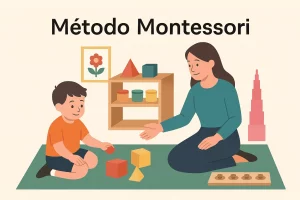
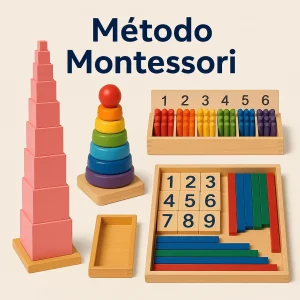
At the heart of Montessori education lies the belief that children learn best when they are allowed to explore their interests and learn at their own pace. The método Montessori is characterized by several core principles, including:
- Child-Centered Learning: Curricula are designed around the interests of the child, allowing them to engage more deeply with the material.
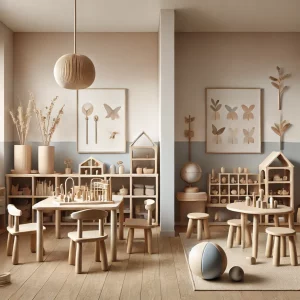
- Prepared Environment: Classrooms are designed to enable accessibility to materials and foster independence.
- Freedom Within Limits: Children are given freedom to choose their activities, but within a framework that provides structure and guidance.
- Mixed-Age Classrooms: Children of different ages learn from one another and develop social skills in a collaborative environment.
Real-Life Application: The Classroom Transformation
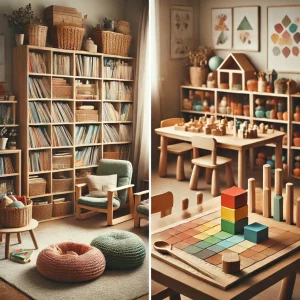
An example of introducing Montessori principles can be seen when a teacher reorganizes their classroom to reflect a prepared environment. This transformation often includes creating designated areas for various activities—sensory play, practical life skills, arts and crafts, and literacy. Materials are accessible, inviting, and within reach of the children, promoting a sense of ownership over their learning space. This approach not only encourages exploration but fosters a communal spirit where children learn from one another in a supportive atmosphere.
Independence at Home: Preparing Your Child’s Room
Parents can also implement Montessori principles at home, particularly when establishing a child’s room. By designing a space that encourages independence, such as providing low furniture, child-sized tools, and an organized play area, children learn to make choices and engage in self-care activities. For instance, a parent might set up a small wardrobe for their toddler, making it easy for them to select their own clothing. This simple change encourages autonomy and instills confidence.
Understanding Montessori Education
To delve deeper into the Montessori approach, it’s beneficial to explore comprehensive resources available online. For parents looking for an extensive overview, our article on Montessori education provides valuable insights into the methodology and practical applications in various settings. Additionally, the pedagogía Montessori highlights transformative teaching strategies that can benefit both educators and families alike.
Embracing the Montessori Philosophy
The Montessori philosophy encourages educators to embrace the role of a guide rather than a traditional instructor. This shift allows teachers to observe children and provide personalized support tailored to each child’s unique developmental progress. A perfect example is a teacher who facilitates a group lesson on nature; rather than lecturing about ecosystems, the teacher encourages learners to explore outside, document their findings, and share their insights with peers. This method fosters critical thinking and allows children to construct knowledge through experience.
The Role of the Family in Montessori Learning
As much as the classroom environment influences learning, so too does the family’s role in a child’s education. Parents can incorporate Montessori methods at home that reinforce learning. Simple activities, like allowing your child to assist in preparing meals or engaging in household chores, facilitate skill development. These activities not only teach responsibility but also encourage children to see themselves as active contributors within their family unit.
Finding Montessori Schools and Resources
For families interested in finding Montessori education options, it’s essential to utilize resources such as the Montessori locator available on our website. By clicking Montessori near me, you can find schools and programs that align with your educational preferences. Our site also features guides that aid parents in navigating this educational landscape effectively, ensuring they find the best fit for their children.
Leveraging Technology in Montessori Education
Today, many parents and teachers have access to technology that can complement Montessori principles. For example, interactive apps and online platforms can provide engaging materials that children can explore independently. However, it’s important to maintain a balance, ensuring that technology enhances learning rather than replacing hands-on experiences. Integrating tools like our AI assistant MarÍA can provide guided learning paths that reflect Montessori values, allowing for personalized educational journeys.
Conclusion: The Lasting Legacy of María Montessori
As we continue to navigate the complexities of modern education, the lessons and methodologies established by María Montessori remain profoundly relevant. Her commitment to fostering independence, critical thinking, and a love for learning shapes the experiences of countless children today. By embracing Montessori principles—whether in a classroom or at home—parents and educators can ensure that their children not only thrive academically but also develop into confident, capable individuals.
For those eager to explore further, consider reading about María Montessori y su legado, or dive deeper into the understanding Montessori pedagogy to transform your approach to education. The future of education is here, and it is as enriching as it is empowering.