Understanding the Montessori Approach
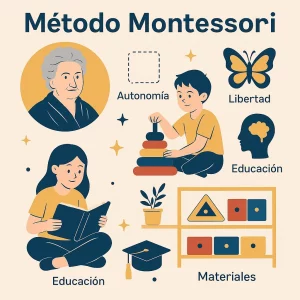
In today’s world, parents and educators are increasingly searching online using phrases like “Montessori near me” or “Montessori school near me” to find guidance on Montessori education. This reflects a growing interest in learning environments that foster independence and holistic development. Our website, equipped with a Montessori locator tool, can help you find nearby Montessori schools and resources.
The Home Environment: Fostering Independence
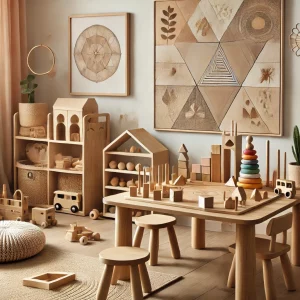
Creating a Montessori-inspired home can have a lasting impact on children’s development. Think of your living spaces as an extension of the classroom, where children feel empowered to explore and learn. One simple yet effective way to foster independence at home is by creating specific areas for your children.
Creating a Montessori-Inspired Kitchen Space
Incorporate a child-sized kitchen space where children can engage in cooking or food preparation. For instance, set up a low shelf with utensils, bowls, and non-perishable foods that are easy for them to manage. You might find a young one proudly chopping vegetables, preparing their snack, or pouring water with careful coordination. This not only nurtures their practical life skills but also boosts self-esteem and encourages responsibility.
Adapting the Shelves for Independence
Montessori education emphasizes that children learn best through hands-on experiences. Consider adapting your home’s shelves to cater to your child’s needs. For example, a parent can organize books and toys on low shelves, allowing their children to choose activities independently. A parent might observe their child selecting a book to read, thereby fostering a love for literacy and self-directed learning.
The School Environment: Nurturing Growth and Exploration
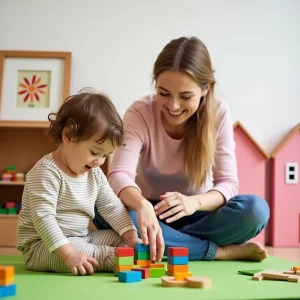
In a Montessori classroom, the environment is meticulously prepared to cultivate curiosity and autonomy among students. Teachers play a crucial role in facilitating this environment, offering guidance while allowing students to lead their learning journeys.
Encouraging Self-Regulation Through Choices
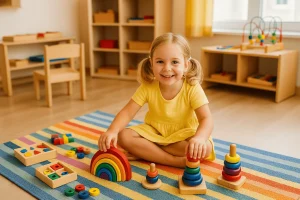
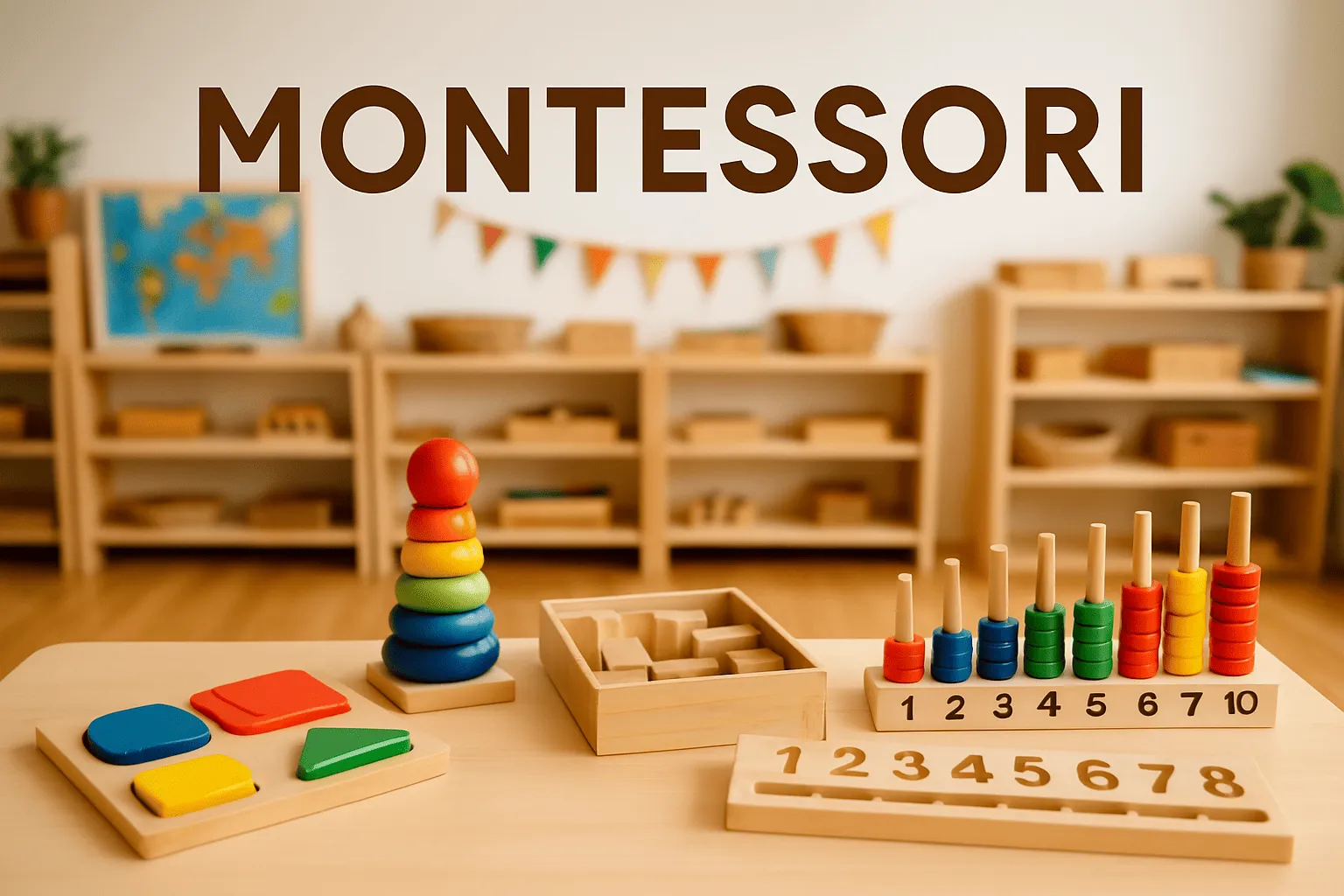
Imagine a classroom where each child decides which materials they want to explore. A teacher might notice a student deeply engaged with a set of Montessori beads, counting, and sorting them. This self-regulation is critical as it cultivates focus and concentration. When students are given the freedom to choose, they discover their interests and, ultimately, take ownership of their learning. For a deeper understanding, click on this guía completa sobre la pedagogía Montessori.
Creating an Inviting Learning Space
In a Montessori school, classrooms are dynamic and inspiring. Teachers continuously adapt and organize materials to meet the needs of the students. Imagine a teacher who rotates materials based on student interest, ensuring that younger students are constantly challenged and engaged. The classroom’s structure allows students to develop a sense of community as they respect each other’s space and work at their own pace. For a detailed examination of Maria Montessori’s philosophies, check out our resources on María Montessori.
Emotional Development: Building Resilience and Empathy
Emotional development is a foundational aspect of Montessori education that fosters resilience and empathy within children. As they interact with peers, they learn critical social skills such as cooperation, communication, and conflict resolution.
Practicing Conflict Resolution
In a Montessori setting, conflict is viewed as an opportunity for growth. For example, children are encouraged to express their feelings when they disagree with a peer. A teacher might intervene to guide them through resolving the conflict by facilitating a dialogue where each child shares their perspective. This approach not only nurtures their emotional intelligence but also equips them with the skills necessary for future interpersonal relationships.
Encouraging Empathy Through Teamwork
Teamwork is central to emotional development. Picture a group of students working together on a community project, such as building a garden. Through collaboration, they learn to appreciate each other’s strengths, face challenges together, and celebrate their successes as a team. This collective effort fosters a sense of responsibility and encourages them to consider the feelings of others, an integral part of their emotional growth.
Conclusion: Exploring Montessori Education
Incorporating Montessori principles into both home and school environments creates a rich tapestry of learning opportunities for children. From encouraging independence in their home spaces to nurturing emotional intelligence in classrooms, Montessori education offers a way to empower children to become confident, capable individuals. For those seeking more guidance, we encourage you to explore our comprehensive guide or our Montessori journey resources.
As you embark on this educational adventure, our platform, along with its AI assistant MarÍA, serves as a valuable resource to guide you in implementing Montessori approaches effectively. Remember, the journey of education is as much about the process as it is about the destination, and together we can create nurturing environments that thrive on exploration and compassion.
To continue your exploration of Montessori, review our latest articles, including Understanding Maria Montessori, Understanding Montessori for Your Family, and others that delve deeper into these transformative educational methodologies.