Introduction to Montessori Education
Across the globe, parents are actively searching for educational methods that resonate with their values and aspirations for their children. Phrases like “Montessori near me” or “Montessori school near me” frequently appear in online searches as families seek guidance on finding the best educational fit. Montessori education, characterized by its child-centered approach and emphasis on independence, offers a transformative pathway that many parents and educators are eager to explore. For those looking to navigate the landscape of Montessori education, our website features a helpful Montessori locator tool, as seen in examples like Montessori near me.
The Home Environment
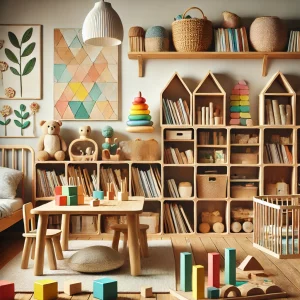
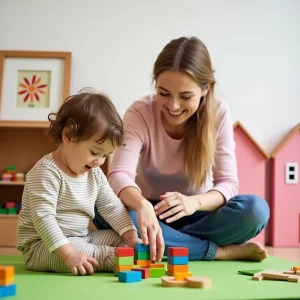
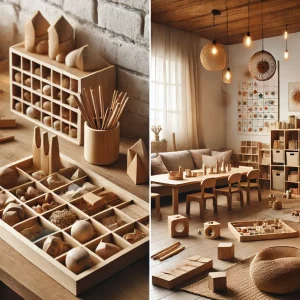
Creating a Montessori-inspired environment at home is crucial for fostering independence and self-directed learning in children. A key aspect of this involves thoughtful organization and the use of appropriate materials that cater to a child’s developmental needs. Families can start by setting up a dedicated space where children can engage in hands-on activities. For instance, adapting the kitchen into a Montessori-inspired area might involve lowering kitchen items for accessibility. Parents can place child-sized utensils, plates, and ingredients on lower shelves to encourage children to participate in cooking, thereby fostering practical life skills.
Practical Example
Consider a family that creates a small “Montessori kitchen” where a child can independently prepare simple snacks. This autonomy not only enhances their confidence but also nurtures their problem-solving skills and decision-making abilities. For a complete understanding of the Montessori method, check our guía completa sobre la pedagogía Montessori.
Resources for Parents
To further support this home environment, parents might explore resources and tools available through the Montessori Maria platform and its AI assistant MarÍA. This platform provides personalized assistance and recommendations for parents striving to implement Montessori principles effectively.
The School Environment
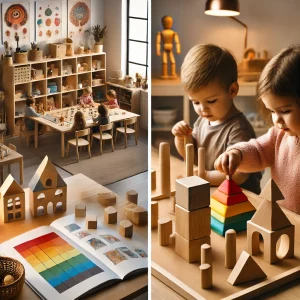
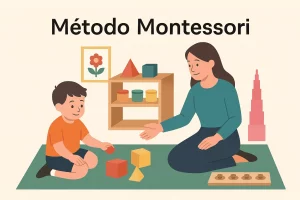
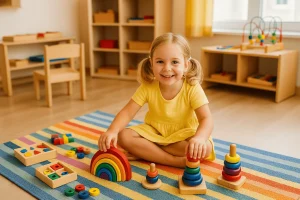
In the school setting, the Montessori philosophy encourages educators to create inviting and stimulating learning environments. Classrooms are often designed with child-sized furniture and learning materials that promote exploration and discovery. A prime example includes teachers rearranging shelves to allow children to choose activities independently and according to their interests.
Fostering Independence
For instance, a Montessori teacher might notice that certain materials are being frequently used by students. To encourage further exploration, the teacher can adapt the shelf by placing more challenging tasks at the child’s eye level, thereby inspiring them to take initiative in their learning journey. Such thoughtful arrangements cultivate an atmosphere of independence and autonomy.
Emotional Development
Another crucial aspect of the Montessori method centers on emotional development. As students engage with their peers in a mixed-age classroom, they learn invaluable social skills. One student could help another master a new skill, reinforcing both self-regulation and collaboration. These experiences are fundamental to their emotional growth and resilience.
Emotional Development
Emotional development is a cornerstone of Montessori education. Children learn to express their emotions healthily and develop empathy through collaborative activities and peer interactions. In a Montessori classroom, each child has the freedom to choose their activities, allowing them to engage at their own pace. This autonomy not only promotes self-regulation but also fosters a sense of responsibility.
Self-Regulation in Action
Consider a student who is given the opportunity to choose their project for the day. Through this autonomy, the child becomes invested in their learning and practices self-regulation by managing their time and resources. For a deeper dive into the principles underpinning Montessori methods, check out our link for an introducción a la pedagogía Montessori.
Conclusion
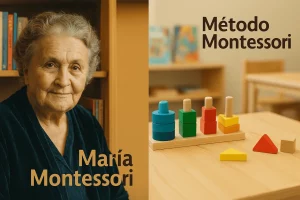
In conclusion, Montessori education offers a holistic approach to child development that can be implemented both at home and in school environments. Parents and educators alike can benefit from understanding how to create spaces that foster independence, enhance learning, and promote emotional growth. Families looking to find Montessori programs or schools can utilize our helpful resources, including the Montessori locator tool to connect with local education centers. For further insights into the Montessori philosophy and how it can support child development, don’t miss out on exploring our additional articles, such as Understanding the Essence of Maria Montessori and The Comprehensive Guide to Montessori Education for Parents and Educators.