Introduction to Montessori Education
In the digital age, many families are searching for educational alternatives, frequently typing phrases like “Montessori near me” or “Montessori school near me” into their search engines. Parents seeking to provide their children with a nurturing and empowering learning environment are often drawn to the revolutionary educational approach popularized by María Montessori. Luckily, our website offers a helpful search and guide section to help families locate Montessori-inspired learning spaces around the globe, including resources like the Montessori School in Terni, Umbria, which you can find here.
The Philosophy Behind Montessori
Montessori education is based on a deep understanding of child development and emphasizes child-led learning. This method fosters independence, curiosity, and hands-on experiences. In contrast to traditional educational models, the método Montessori encourages children to explore subjects that ignite their passions at their own pace. You might wonder how this model can unfold in your home, leading to a rewarding learning experience for both you and your child.
A Family’s Journey into Montessori at Home
Imagine the Johnson family—a typical household juggling school, activities, and weekend commitments. One day, Sarah, the mother, noticed her five-year-old son, Ethan, expressing frustration every time he had to tie his shoelaces. Rather than immediately stepping in to help, Sarah recalled a concept she read about in a Montessori guide: allowing children to struggle a bit can promote their independence. Instead of intervening, she handed him some shoelaces and encouraged him to practice. In just a few weeks, Ethan proudly boasted about his newfound ability. This small example demonstrates how the Montessori approach can foster a sense of achievement in children.
Foundational Principles of Montessori Education
At the heart of Montessori methodology are three core principles: respect for the child, the prepared environment, and the sensitive periods of learning. Educators and parents practicing pedagogía Montessori focus on understanding the unique developmental stages of each child, ensuring they receive the support they need during critical learning phases.
Creating a Prepared Environment
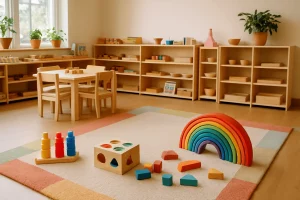
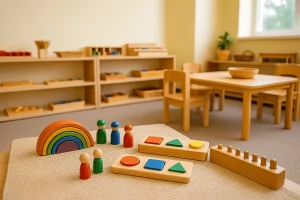
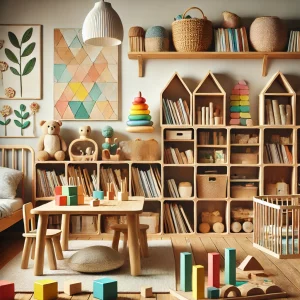
The “prepared environment” is a critical component of Montessori education. This refers not just to a physical space but also to an atmosphere that promotes learning. Parents can adapt their homes by offering children accessible materials that encourage exploration. For instance, setting up a discovery corner at home with books, art supplies, or science kits allows children to choose what stimulates their curiosity. Such spaces not only support learning but also teach responsibility, as children learn to navigate their environments thoughtfully.
Independence and Confidence in Learning
One of the main objectives of Montessori education is to nurture independence. As children take charge of their learning, they grow more confident in their abilities. Looking back at the Johnson family, Sarah dealt with her daughter’s reliance on her for help with homework. By adopting Montessori principles, she started giving Anna—her eight-year-old daughter—options for her homework, letting her decide where to study, and when to complete each assignment. This simple shift had an incredible impact, empowering Anna and transforming her view of learning.
Montessori and Problem Solving
In Montessori environments, problem-solving is central. When children face challenges independently, they develop critical thinking skills. For instance, you could introduce a puzzle to your child’s play area. While it might be tempting to swoop in and help when they struggle, allowing them to persist cultivates resilience and self-directed learning—a core tenet of the Montessori philosophy.
Finding a Montessori Community
A question many parents ask is where to find quality Montessori education. If you find yourself typing “Montessori near me” in search engines, our Montessori near me section provides an extensive directory to find schools and classes that offer this transformative approach to education. Whether you’re in a big city or a rural town, resources are available to support your quest for the ideal educational setting for your child.
The Significance of the Montessori Teacher
In Montessori settings, teachers act more as guides than traditional instructors. This dynamic can truly change the learning environment. Think of the story of the Martinez family; after enrolling their three children in a local Montessori school, they were amazed at how much more engaged their kids were when learning. The teachers recognized each child’s interests, leading to personalized learning experiences that resonated with the children. In such environments, children thrive academically and socially, building relationships with peers based on mutual respect.
Bringing Montessori into Daily Life
Integrating Montessori principles into daily routines can be both fulfilling and practical. For instance, involving your child in cooking can promote essential life skills. Let them help measure ingredients and even choose which recipes to try. By creating a miniature “kitchen lab,” you provide opportunities for practical learning that aligns with Montessori values.
Encouraging a Growth Mindset
The Montessori methodology emphasizes a growth mindset—an understanding that intelligence and abilities can develop over time. By framing challenges as opportunities for growth, children learn to embrace persistence and resilience. When the Johnsons faced struggles in their daily lives, they turned to the principles of Montessori, discussing challenges openly and encouraging each other to push past limits. This not only equipped their children to handle future challenges but also fostered a supportive family environment.
Concluding Thoughts on the Montessori Journey
The journey into Montessori education can be enriching and transformative. By prioritizing independence and allowing children to explore at their own pace, families can create a nurturing atmosphere that fosters a love for learning. Whether you choose a structured Montessori school or implement these principles at home, embracing the understanding of Montessori pedagogy can empower your child’s educational path.
Explore Further Resources
For those eager to dive deeper into the Montessori world, our Montessori Maria website features an AI assistant, MarÍA, trained specifically in Montessori methodology, ready to answer your queries. Explore more about empowering education and discover numerous articles discussing various aspects—be it about the understanding Montessori education or in-depth discussions of the transformative Montessori method.