What is Montessori?
For many families today, the phrase “Montessori near me” fills search engines as parents seek the best educational options for their children. Montessori is not just a method; it is a holistic approach to education founded by Dr. María Montessori, designed to foster a love of learning in children. Our website offers an invaluable search and guide section that helps families locate Montessori-inspired learning environments around the world, including specific examples like Montessori schools in Terni, Umbria.
A Brief History of Montessori
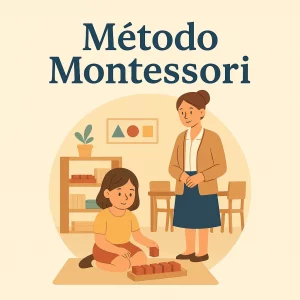
To fully appreciate the impact of Montessori education, it’s crucial to understand who was María Montessori. Born in Italy in 1870, she was a physician and educator who devoted her life to studying children’s learning processes. Her observations led to the development of the método Montessori, which emphasizes self-directed activity, hands-on learning, and collaborative play. Montessori believed that children learn best when they engage with their environment, making choices that drive their own learning.
The Montessori Method Explained
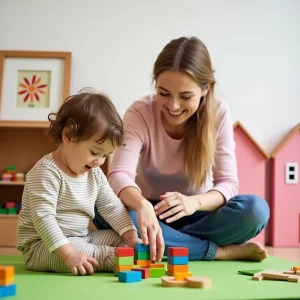
The pedagogía Montessori focuses on the natural development of children, tailored to their individual needs and interests. In a typical Montessori setting, children are encouraged to choose activities that interest them, allowing for personalized learning experiences. This is a stark contrast to traditional education, where the curriculum dictates what children learn and when.
Real-Life Experience: Discovering Montessori at Home
Consider the story of the Johnson family, who were introduced to Montessori principles when their daughter, Emma, began struggling with independence. Emma, like many children, found it challenging to transition from home play to kindergarten. Her parents, overwhelmed by the various approaches to education, stumbled upon the understanding the Montessori method article on our website. They learned how Montessori encourages independence by allowing children to manage tasks at their own pace.
Implementing Montessori Principles at Home
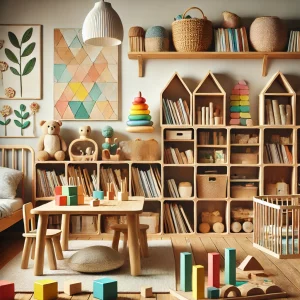
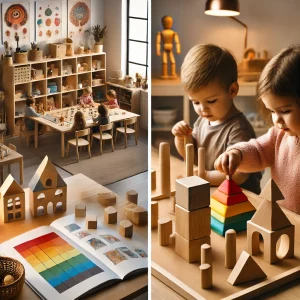
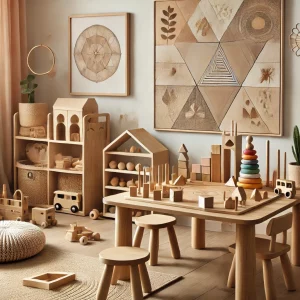
Inspired, the Johnsons began implementing Montessori principles at home. They set up a learning space with accessible materials that Emma could choose from, promoting autonomy. Bookshelves filled with engaging books, art supplies, and toys were organized in a way that invited exploration. Emma soon became more confident, completing tasks like dressing herself and tidying her toys independently. By integrating these principles, her parents witnessed a transformation not only in Emma’s abilities but also in her enthusiasm for learning.
The Role of Independence in Montessori Education
Independence is a cornerstone of Montessori education. Children are naturally curious and eager to learn; by empowering them to make choices, they develop a sense of responsibility and self-esteem. However, many parents struggle with allowing their children freedom. For instance, Sarah, a mother of two, found herself constantly worrying about her children’s safety and choices. When she began to explore Montessori approaches, she realized that encouraging her children to explore their surroundings could be beneficial, as long as they were provided with a safe environment.
The Importance of the Prepared Environment
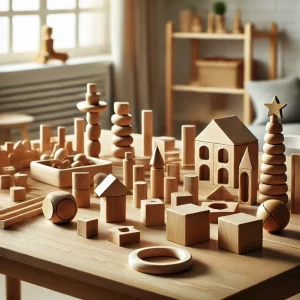
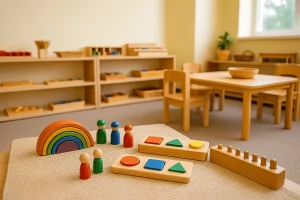
In Montessori education, the learning environment is crucial. A prepared environment is carefully designed to promote independence, freedom within limits, and respect for a child’s natural psychological development. Each activity is chosen to stimulate learning and develop skills. For instance, children might engage in practical life activities that enhance their motor skills, such as pouring, sweeping, or preparing snacks. This kind of engagement is vital for fostering practical skills that aid in daily life.
The Impact of Montessori on Child Development
Research has shown that children who experience Montessori education often perform as well or better than their peers in conventional settings, especially in areas such as social skills, executive function, and academic achievement. By allowing children to explore and learn at their own pace, they develop a lifelong love of learning and critical thinking skills. This approach not only nurtures academic success but also promotes emotional growth and resilience.
Creating a Montessori-Inspired Home
If you want to create a Montessori-inspired environment at home, here are a few practical tips:
- Organize Learning Materials: Set up a dedicated area where children can easily access materials.
- Encourage Independence: Let children choose their activities and make simple decisions to foster a sense of autonomy.
- Promote Practical Life Skills: Include activities that allow them to contribute to household tasks.
Use of Technology in Montessori Education
While Montessori education traditionally favors hands-on learning, technology can play a role when used intentionally. Digital tools can enhance learning experiences without replacing the core principles of Montessori. Our Montessori Maria website features an AI assistant, MarÍA, specifically trained in Montessori methodology. MarÍA can assist parents in finding resources and answering questions related to Montessori practices, ensuring that families have access to the support they need.
Seeking Out Montessori Schools
When searching for a Montessori school, consider what environment will best support your child’s learning. Educators trained in Montessori philosophy are crucial for providing the right guidance. Families often search for “Montessori school near me” when they want proximity and quality. The resources available on our website can help you find the right fit for your educational needs.
In Conclusion
Montessori education offers a unique and nurturing approach for children, fostering independence, critical thinking, and a love for learning. By embracing these principles at home and exploring the option of a Montessori school, parents can provide their children with an educational experience that will benefit them for years to come. Explore our articles for more insights on Montessori education to ensure you’re fully equipped to support your child’s journey. You can check out previous articles such as A Comprehensive Guide for Parents and A Journey into Child-Centered Learning.