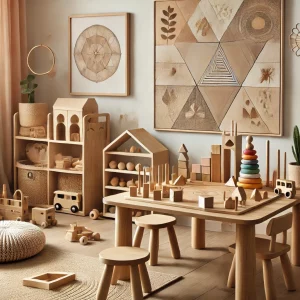
Introduction to Montessori Education
Parents all over the world often search phrases like “Montessori near me” or “Montessori school near me” when seeking educational guidance that caters to their child’s unique needs. This growing interest reflects a desire for a child-centered approach to education, and our website offers a comprehensive guía completa sobre la pedagogía Montessori as well as a Montessori locator tool to help families find suitable options nearby.
Creating a Montessori-Inspired Home Environment
A Montessori home is designed to promote independence and self-directed learning. One way parents can achieve this is by creating a kitchen space that reflects Montessori principles. For example, using low shelves for dishes allows toddlers to help with meal preparation while fostering a sense of responsibility.
Adapt the Environment for Independence
As families dive deeper into Montessori education, they can modify their home environment to enhance independence. A teacher might rearrange classroom shelving to provide easier access to materials, while parents can do the same at home. By placing age-appropriate tools in reach, children can learn to pour their own drinks or prepare simple snacks, reinforcing their ability to care for themselves. This practice ties closely with a introducción a la pedagogía Montessori.
Creating Learning Spaces
In addition to an inspired kitchen, families can designate a ‘learning nook’ in their homes that provides materials for exploration and creativity. For instance, a small art corner stocked with crayons, paper, and safe scissors can allow for self-expression and imaginative play, which are vital components of Montessori education.
Understanding the Montessori School Environment
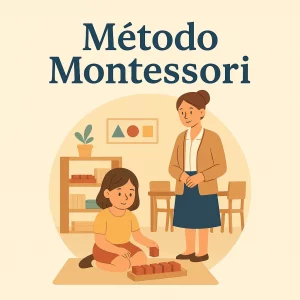
When exploring the Montessori school environment, it is crucial to understand the fundamental differences when compared to traditional settings. In Montessori classrooms, educators act as facilitators rather than lecturers, guiding children through their learning journeys.
The Role of the Educator
A skilled Montessori educator will adapt the classroom setup based on the students’ interests and developmental levels. For example, if a child shows a keen interest in insects, the teacher might introduce related activities, such as biology lessons about the life cycle of butterflies or art projects depicting different species. The goal is to create a learning experience tailored for each child.
Fostering Emotional Development
Emotional development is another critical focus in Montessori education. Children are encouraged to form healthy relationships with their peers, learn empathy, and develop self-regulation skills. For instance, a child learning to manage conflict might practice peaceful communication methods, such as using “I feel” statements.
The Importance of Emotional Support in Montessori
Montessori education understands that emotional support is vital for effective learning. Children in a Montessori environment learn to express their feelings and work through challenges — skills that are invaluable in all aspects of life.
Benefits of Self-Regulation
As children gain self-regulation skills, they may find themselves better equipped to handle daily challenges, whether at home or school. For instance, a student who practiced self-regulation may respond calmly when they experience frustration during a difficult task, demonstrating a level of maturity that affects their academic and personal growth.
Integrating Montessori Principles in Daily Life
Incorporating Montessori principles into daily routines can significantly impact a child’s development. For parents and educators alike, leveraging resources like the Montessori Maria platform and its AI assistant MarÍA to get personalized guidance can be incredibly beneficial.
Practical Examples of Montessori in Action
1. Home Routines: Create a designated “chores chart” that allows children to choose their responsibilities. This not only fosters independence but also teaches them the importance of contributing to the family.
2. In Class: Teachers can create mixed-age groups where older children mentor younger ones, thereby enhancing social interaction and leadership skills.
Conclusion
In conclusion, Montessori education offers a transformative approach to learning that prioritizes independence, emotional growth, and personalized learning experiences. For parents interested in implementing Montessori practices at home or seeking suitable schools, exploring websites such as Montessori near me and Montessori school near me can simplify the search process and provide meaningful resources.
For further reading into Montessori education, check out some of our other articles:
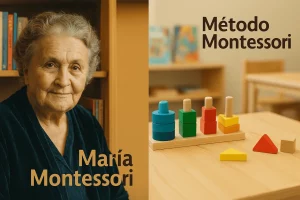
– Understanding Maria Montessori: A Comprehensive Guide
– Exploring Montessori Pedagogy
– Montessori Education: A Parenting Guide
– Understanding the Montessori Method
– Understanding Maria Montessori: A Guide for Parents and Educators
Visit us at MontessoriMaria.com for more insights into the world of Montessori education and practical application!