Understanding Montessori Education
Parents all over the world often find themselves searching for phrases like “Montessori near me” or “Montessori school near me” as they seek guidance in choosing the best educational approach for their children. Montessori education is an innovative approach that fosters independence, curiosity, and a love for learning. Our website features a helpful Montessori locator tool to help you find nearby Montessori programs and institutions. For instance, if you are looking for a specific location, you can search for options like Montessori schools in Terni, Umbria.
Creating a Montessori Home Environment
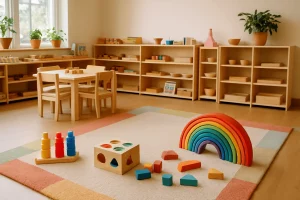
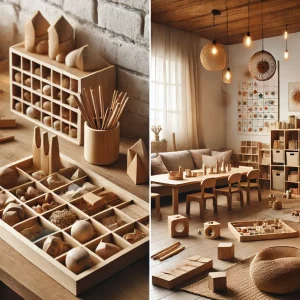
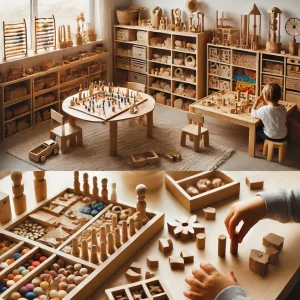
Setting up a Montessori-inspired home environment is key for allowing children to thrive and develop independence. Spaces should be organized, accessible, and designed to encourage exploration and learning.
Adapting Spaces for Independence
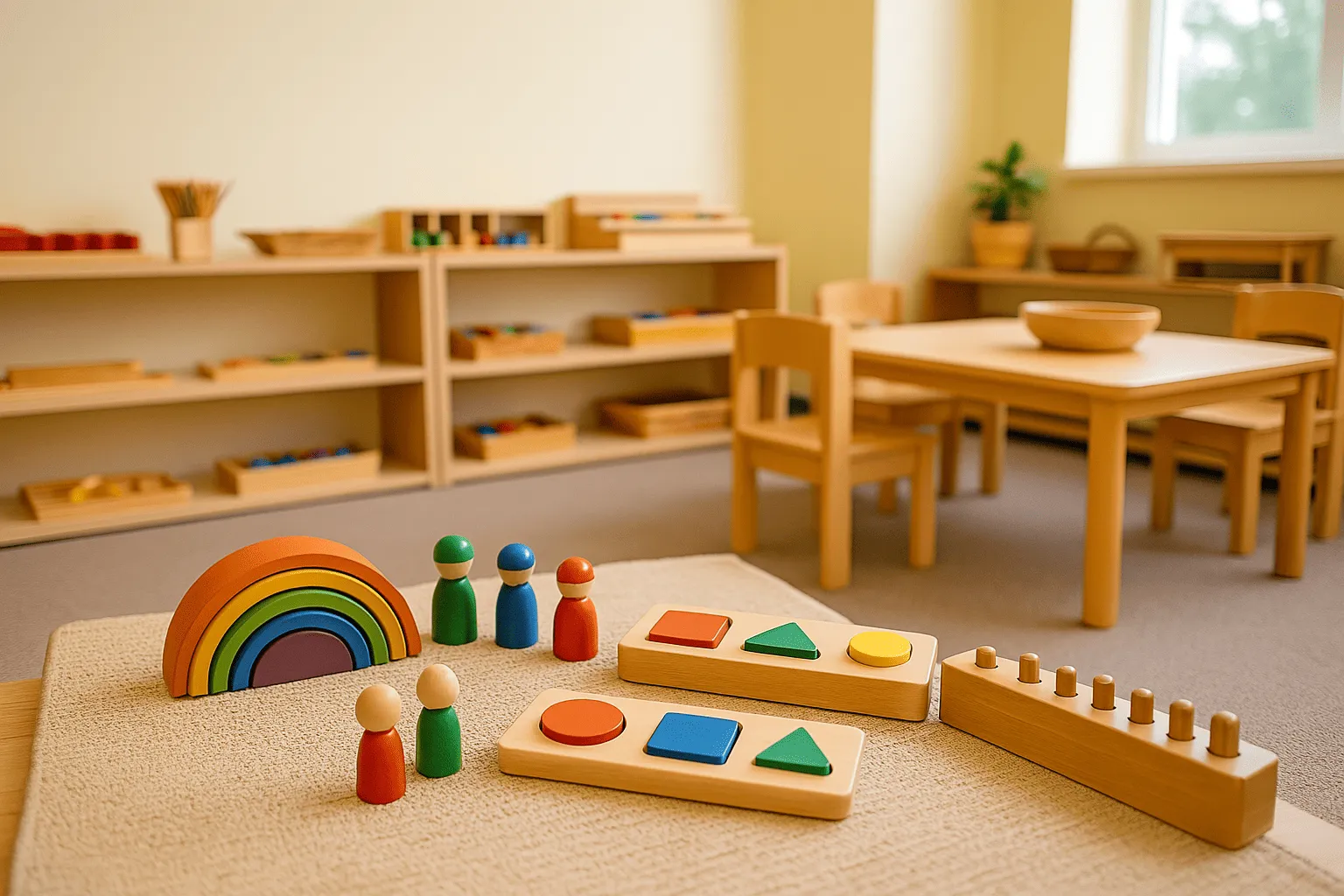
For example, a teacher might adapt classroom shelves by placing materials within a child’s reach, ensuring that each item is clearly labeled and visually appealing. Families can apply a similar strategy at home by creating a Montessori-inspired kitchen space. This could involve having low shelves filled with child-friendly utensils, plates, and snack options, enabling children to prepare their own snacks and participate in meal prep. This hands-on experience helps foster a sense of responsibility and self-sufficiency.
Promoting a Respectful Atmosphere
In addition to physical adaptations, a Montessori home should be infused with respect and encouragement. Allowing children to make choices and learn from their experiences—like handling a minor spill when transferring water—will help them build confidence in their decision-making abilities. More about these principles can be learned in our introduction to Montessori pedagogy.
The Role of Montessori Schools
While a supportive home environment is essential, the school environment amplifies the Montessori experience. Montessori schools are thoughtfully designed to encourage exploration and foster a spirit of community among students.
Engaging Curriculum and Learning Materials
In Montessori classrooms, the curriculum is tailored to meet the needs and interests of individual students. Consider a classroom where a teacher integrates lessons on botany with real plants and soil, allowing children to learn about roots and leaves through hands-on experiences. This type of learning captures children’s interest and leads to meaningful, in-depth understanding.
Encouraging Self-Regulation
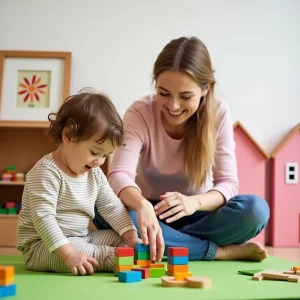
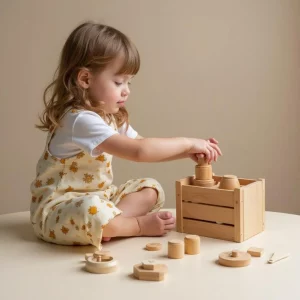
Furthermore, a central tenet of Montessori education is the emphasis on self-regulation. A student who is allowed to choose their activities may find themselves working intensely on a project that captivates them, like building a bridge with blocks. As they engage with the materials, they’re learning crucial skills such as focus and time management. This form of self-directed learning can lead to remarkable growth and emotional development.
Emotional Development in Montessori Education
Montessori education also places significant emphasis on emotional development, which is as vital as intellectual growth.
Fostering Empathy and Cooperation
In a Montessori classroom, older children often take on mentorship roles, guiding younger students through activities. This peer-to-peer interaction not only helps children build empathy but also fosters a cooperative learning environment. For instance, a child leading a friend in a math exercise learns patience and communication skills, which are essential for emotional intelligence.
Building Resilience
Children learn how to handle challenges and setbacks in a supportive environment. When they encounter a difficult task, like solving a complex puzzle, they’re encouraged to persist and explore different strategies rather than giving up. This resilience is a crucial life skill that prepares them for future challenges.
The Transformative Power of Montessori Education
The Montessori method is not just about academic learning; it is about nurturing the whole child—intellectually, emotionally, and socially. This holistic approach is deeply rooted in the teachings of María Montessori, who understood the importance of creating a prepared environment that supports children’s natural developmental stages.
A Transformative Approach
For more information on how Montessori methods can transform educational experiences for both parents and educators, consider reading our comprehensive guide on Montessori pedagogy. This guide provides insights into how the Montessori approach can change the trajectory of children’s learning experiences for the better.
Conclusion
In summary, Montessori education is a powerful alternative that supports independent learning and emotional growth in children. As parents and educators, it is vital to understand how both home and school environments contribute to a child’s development. With resources like the Montessori locator tool, you can find schools and programs that embrace these principles nearby.
Remember that every child is unique, and a Montessori approach can be tailored to meet individual needs. Explore the links above for deeper understanding and latest insights on Montessori education. Visit our website at Montessori Maria for articles that can help guide your journey in Montessori education.