Introduction to Montessori Education
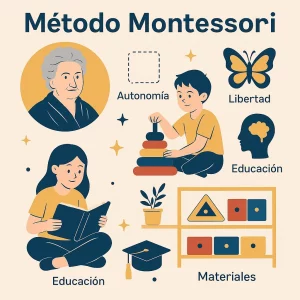
In today’s fast-paced world, parents and educators are constantly on the lookout for effective educational approaches that nurture creativity and independence in children. Many parents search phrases like “Montessori near me” or “Montessori school near me” to find guidance on the Montessori education method. Montessori education, founded by María Montessori, emphasizes child-led learning where each child is respected as an individual with unique abilities and interests. If you’re interested in learning more about this transformative approach, you can explore our comprehensive guide to Montessori pedagogy.
Creating a Montessori Home Environment
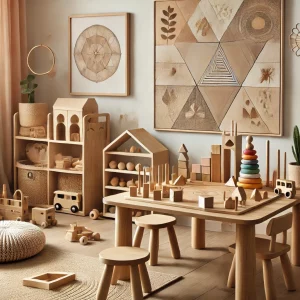
The home is the first environment where children learn and explore the world around them. Creating a Montessori-inspired home can significantly impact your child’s development. To cultivate independence, consider adapting your home environment to encourage self-sufficiency. This could mean designing a Montessori-inspired kitchen space.
Montessori Kitchen Space
In a Montessori kitchen, children can engage in meal preparation, sharing a sense of responsibility. You can set up low countertops, child-sized utensils, and accessible ingredients in labeled containers. For instance, your child can enjoy preparing their own sandwiches using a butter knife, emphasizing safety and independence. This practical life skill not only makes meals more enjoyable but also cultivates a sense of achievement in your child.
Additionally, create a designated space for your child’s artwork with accessible art supplies. This encourages creativity and expression, areas crucial to their overall development.
Montessori-Style Shelves
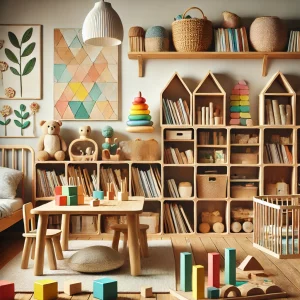
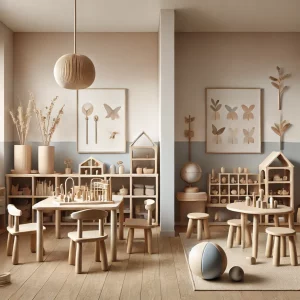
Another essential aspect of a Montessori home is the organization of materials on shelves. Having a variety of age-appropriate and engaging materials available fosters independence and self-selection in children. A teacher might adapt the shelves in their classroom, ensuring that children can easily access necessary materials. For example, during a art project, children might take materials independently off the shelf, enhancing their ability to make choices, leading to improved self-regulation.
The Role of Montessori in Schools
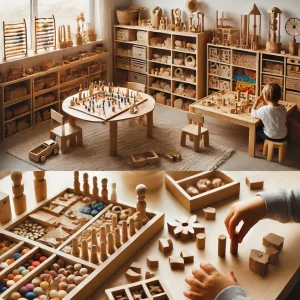
Once a child transitions from home to a Montessori school environment, the foundational principles of independence and choice continue to be reinforced. Montessori classrooms are designed to be inviting and accessible while promoting a love for learning.
Child-Centered Learning
In a Montessori classroom, children are encouraged to follow their interests through child-centered learning. This method allows them to explore subjects at their own pace. For instance, if a child shows a keen interest in astronomy, the teacher may provide books, models, and activities related to the solar system, enabling deep, contextual, and meaningful learning.
Collaboration and Community
Another key aspect of Montessori education is fostering a strong sense of community and collaboration among students. An example of this is multilevel classrooms, where children of different ages learn together. A younger student may look up to an older peer, learning both academic skills and social conventions. This structure encourages mentorship, cooperation, and a supportive learning environment.
Emotional Development Through Montessori Education
Emotional development is just as crucial as academic learning in the Montessori method. By embedding emotional intelligence in the curriculum, children learn to understand and regulate their feelings effectively.
Practicing Self-Regulation
A classroom scenario exemplifying this practice occurs when a student becomes frustrated during a task. Instead of a teacher providing immediate assistance, the educator might allow a moment for the child to assess their emotions. This encourages self-regulation, as the child learns to recognize their feelings and responses.
Encouraging Empathy
Additionally, through group activities, children learn to empathize with their peers. For example, when working on projects in groups, they engage in discussions and negotiations, developing vital skills in understanding diverse perspectives and working collaboratively. These experiences shape their emotional intelligence and interpersonal skills, key competencies for future success.
Finding Montessori Education: Resources and Guidance
To navigate the various options in Montessori education and find the right fit for your child, resources like the Montessori near me locator are incredibly helpful. This tool connects you with educational institutions that align with Montessori principles in your area. Furthermore, the Montessori Maria platform offers an AI assistant, MarÍA, that serves as an invaluable resource for parents seeking to better understand Montessori education.
Conclusion: Embracing Montessori Education
Montessori education presents a comprehensive way for parents and educators to nurture independence, emotional development, and a love for learning in children. By creating an engaging home environment, choosing a suitable school setup, and fostering emotional intelligence, we can guide the next generation toward becoming empowered and capable individuals. For those still exploring this approach, check out our latest articles and resources, including Understanding Maria Montessori, Exploring Montessori Pedagogy, and Understanding the Montessori Method. With guidance and the right resources, the path toward enriching your child’s learning journey is within your reach.