Introduction to Montessori Education
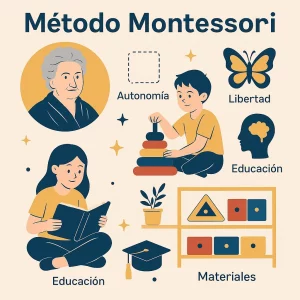
In today’s fast-paced world, parents and educators alike are increasingly looking for effective and nurturing educational approaches. Many families search for phrases like “Montessori near me” or “Montessori school near me” to find guidance on the best schools for their children. Montessori education, founded by María Montessori, offers a child-centered philosophy that fosters independence, responsibility, and a love for learning.
On our website, we provide a comprehensive Montessori locator tool designed to help you find the best Montessori programs in your area. Whether you are an educator seeking to implement Montessori principles in your classroom or a parent eager to create a nurturing environment at home, you will find vital resources and information here.
Creating a Montessori Home Environment
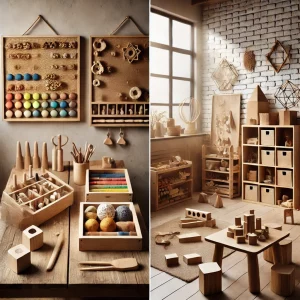
The foundation of Montessori education begins at home. Creating a Montessori-inspired environment encourages your child to explore, learn, and become independent. This space should be filled with open-ended materials that inspire creativity and learning. Here are some practical tips for transforming your home environment:
Designing a Montessori-Inspired Kitchen
One practical example of a Montessori-inspired home is a family creating a kitchen space tailored for their children. Imagine a kitchen where kids have their own shelf with utensils, measuring cups, and safe, natural ingredients to work with. This allows children to take-part in meal preparation, giving them a sense of responsibility and independence.
By involving children in cooking, they not only learn essential life skills but also develop an understanding of nutrition and math concepts, such as measuring and counting. For those curious about how to implement these educational principles, you may want to explore our introduction to Montessori pedagogy.
Setting Up Learning Areas
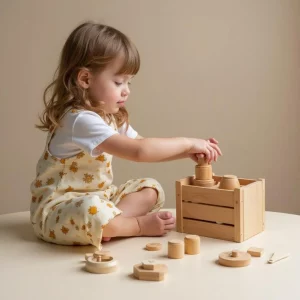
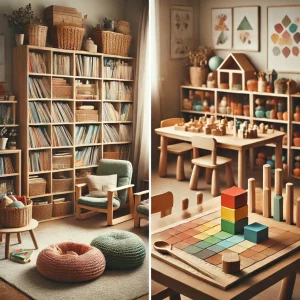
Another essential aspect is the organization of learning materials. Ensuring that your child’s environment is thoughtfully arranged encourages autonomy. Consider setting up a dedicated reading nook filled with books that are easily accessible. Children should be able to choose what they want to read, cultivating their natural curiosity.
Additionally, rotating materials regularly keeps the learning environment fresh and exciting, preventing stagnation. This can be as simple as displaying different activities on a daily or weekly basis. For further guidance, check out our comprehensive guide to the Montessori method.
The Montessori School Environment
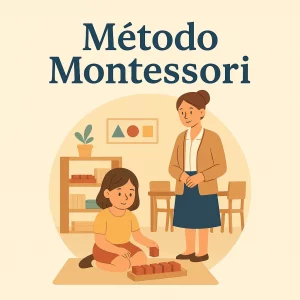
The essence of Montessori education truly comes alive in the classroom. Unlike traditional educational methods, Montessori classrooms are designed to facilitate a child’s natural development. Here are some core aspects of the Montessori school environment:
Freedom Within Limits
In a Montessori classroom, children have the freedom to choose their activities within structured limits. For instance, a teacher might observe that a child is particularly drawn to a specific learning material and adapt the classroom’s shelves to promote independence, ensuring that materials are organized and accessible.
This means placing items on low shelves where children can easily reach them, thus fostering self-regulation and confidence. As they make choices, they develop critical thinking skills and learn to manage their time effectively. To understand more about the transformational approach of Montessori education, be sure to check our comprehensive guide on Montessori pedagogy.
Collaborative Learning
Montessori education also emphasizes collaborative learning. In mixed-age classrooms, younger children learn from older peers, while older children reinforce their own knowledge by teaching others. This creates a sense of community and belonging, which strengthens social skills and emotional intelligence.
For example, a 5-year-old might initiate a science project with the help of a 7-year-old, promoting interdependence and teamwork. This natural mentorship embodies the Montessori philosophy of learning as a shared journey.
Emotional Development and Self-Regulation
An often-overlooked aspect of Montessori education is its significant impact on emotional development. The Montessori approach prioritizes the cultivation of emotional intelligence, helping children manage their emotions and develop resilience.
Promoting Emotional Awareness
Within a Montessori environment, children are encouraged to express their feelings and navigate conflicts with peers. Teachers facilitate discussions about emotions and guide children in expressing themselves verbally. For instance, during a disagreement, a teacher might ask students to use “I feel” statements, fostering a language of emotional awareness.
This not only assists in conflict resolution but also helps children develop empathy and understanding. Such skills are vital for their overall development and social interactions. If you’re looking for more resources about emotional development, take a moment to explore our additional informative articles, including the Montessori overview for parents.
Fostering Independence and Confidence
Ultimately, the goal of Montessori education is to foster independence and confidence in children, which they carry with them throughout their lives. As children learn to manage their tasks, they build a sense of accomplishment and pride in their work.
Students benefit from self-regulation opportunities, allowing them to set personal goals, cultivate perseverance, and navigate challenges. These experiences equip children with valuable life skills as they transition into adulthood.
Conclusion
Montessori education presents a nurturing and effective approach to learning for both parents and educators. By fostering independence, emotional intelligence, and a love for learning, we empower children to reach their full potential. If you’re interested in applying Montessori principles at home or finding Montessori programs near you, utilize the resources on our website and benefit from the Montessori Maria platform and its AI assistant MarÍA. Explore the world of Montessori education further by browsing our latest articles, including Exploring Montessori Pedagogy and A Comprehensive Guide to Montessori Education. We invite you to join our community and embark on this transformative educational journey.