Introduction to Montessori Education
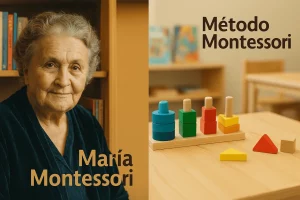
In today’s rapidly evolving educational landscape, families around the world are increasingly seeking alternatives to traditional schooling practices. This search often leads parents to phrases like “Montessori near me” or “Montessori school near me” as they look for guidance on effective educational approaches. Montessori education, developed by María Montessori, emphasizes child-centered learning and promotes independence, creativity, and critical thinking skills.
To facilitate your search for Montessori schools or resources, our website includes a Montessori locator tool which can be accessed here. You can also explore the example of a Montessori school in Terni, Umbria here. In this article, we will delve into the home environment, school environment, and emotional development aspects of Montessori education, providing you with practical tips and examples to implement the Montessori philosophy in your own context.
Creating a Montessori Home Environment
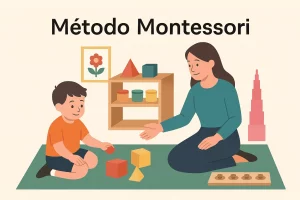
One of the foundational principles of Montessori education is the importance of the environment in the educational process. In a Montessori home, every space should support learning, independence, and exploration. Parents frequently wonder how to create such environments at home that facilitate their children’s development.
Independence through Space
Consider, for example, a family that transforms their kitchen into a Montessori-inspired space. They might lower the counters and provide accessible utensils, dishes, and food items. This way, children can prepare their own snacks and meals, enhancing their independence. Through practical activities such as pouring, mixing, and cleaning, children gain confidence in their abilities and develop motor skills. This practical life aspect is crucial in fostering a sense of ownership and responsibility for their actions.
Order and Accessibility
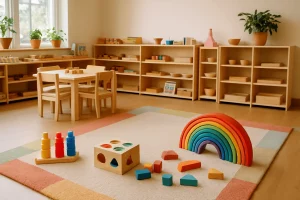
Another aspect of a Montessori home is the organization of materials. For instance, a play area can be structured with low shelves where toys are arranged in an orderly fashion. Children learn to select their activities, and they are more likely to engage meaningfully when they see their toys displayed in an inviting way. The smooth transition between selecting an activity and engaging with it is vital for a child’s concentration and focus.
Real-Life Skills
The Montessori philosophy encourages children to engage with real-life tasks. By including household chores in their daily routine—like sweeping, dusting, and sorting laundry—children develop practical skills that serve them for life. These experiences build a strong foundation for self-reliance and self-discipline, essential components of the Montessori method. For more in-depth insights on how to incorporate these elements, refer to our guía completa sobre la pedagogía Montessori.
The School Environment: A Catalyst for Learning
Just as the home environment should be carefully considered, the school environment plays a pivotal role in Montessori education. Teachers at Montessori schools are trained to create spaces that allow for exploration, independence, and tactile learning experiences.
Prepared Environment
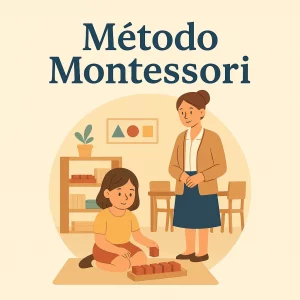
A key principle in the Montessori classroom is the “prepared environment.” This refers to a classroom setup that is thoughtfully arranged to meet the developmental needs of children. For example, a Montessori teacher might adapt the shelves to provide various materials at different skill levels, ensuring every child finds something that engages them. This approach not only promotes independence but also allows for a natural progression in learning.
Hands-On Learning
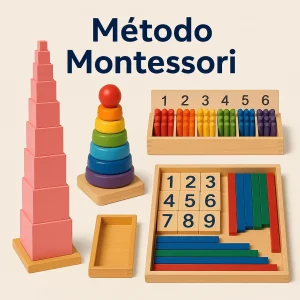
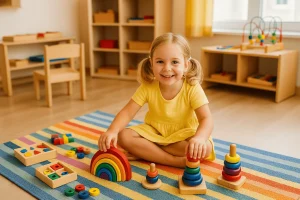
Hands-on learning is a staple of the Montessori approach. In a typical classroom, children engage with materials that cater to their sensory exploration. For instance, they might work with counters to understand math concepts or use practical life materials for refining their motor skills. Such activities not only support cognitive development but also allow children to practice self-regulation as they learn to focus on their tasks.
Peer Learning
Moreover, the mixed-age classrooms found in Montessori schools foster peer learning. Older students often mentor younger peers, reinforcing their own knowledge while helping others. This collaborative environment not only promotes academic growth but also enhances social skills and emotional awareness. The Montessori Maria platform and its AI assistant MarÍA can help parents and educators understand these dynamics and enhance their educational practices.
Emotional Development: Nurturing the Whole Child
Beyond academic and practical skills, emotional development is a central focus of Montessori education. The learning environment nurtures emotional intelligence and resilience, essential for navigating life’s challenges.
Self-Regulation Techniques
A profound aspect of Montessori education is the emphasis on self-regulation. Children are encouraged to recognize their emotions and learn coping strategies. For example, in a classroom setting, a teacher might introduce calm-down corners equipped with sensory tools, promoting self-soothing techniques when children experience frustration or anger. Learning how to manage their emotions translates to better focus and persistence.
Social-Emotional Skills
Moreover, cooperative play is a vital part of emotional development. Children learn the value of teamwork as they engage in group projects or collaborative tasks. An example can be seen in projects that require teamwork, where students are encouraged to express their opinions while considering their peers’ ideas. This serves as a foundational experience for developing empathy and communication skills.
Building Resilience
Resilience is another critical component. Children in Montessori environments are faced with challenges that encourage problem-solving and critical thinking. When children encounter obstacles, they are gently guided to find solutions. For example, a child who builds a structure that collapses may be encouraged to analyze what went wrong and try again. This iterative process fosters a resilient mindset and greater confidence in their abilities.
Conclusion: Embracing Montessori Education
As parents and educators interested in Montessori education, it’s essential to recognize that creating a nurturing atmosphere—whether at home or school—encourages the holistic development of children. By incorporating Montessori principles into daily routines, from practical life skills at home to structured freedom within school settings, children are empowered to learn and grow at their own pace.
For more information and resources on Montessori education, you can explore our site further. Whether you’re looking for local schools using our tool for Montessori near me or finding a specific Montessori school near me, resources abound to support your journey.
Your commitment to implementing these principles will undoubtedly help foster a generation of independent, confident, and capable individuals. Explore further with our resources, including articles such as Understanding the Montessori Method and A Comprehensive Guide to Montessori. Together, let’s embark on this transformative journey towards education.