Understanding Montessori Education
Parents around the world often find themselves typing phrases like “Montessori near me” or “Montessori school near me” into their search engines, seeking guidance and educational resources for their children. The Montessori method is an innovative approach developed by María Montessori, focusing on children’s natural curiosity and fostering independence. Our website includes a Montessori locator tool, helping parents find nearby Montessori schools and resources, which is essential in facilitating a supportive learning environment.
Creating a Montessori Home Environment
The foundation of Montessori education begins at home. Creating a Montessori-inspired home environment encourages children to explore and learn at their own pace. This can involve setting up spaces that promote independence and self-discovery. For example, a family might design a Montessori-inspired kitchen space where children can safely access utensils, snacks, and cooking tools. By allowing children to participate in daily kitchen activities, they gain essential life skills and confidence in their ability to contribute to the family.
Practical Experiences at Home
An effective home setup might include child’s-sized furniture, accessible shelves, and organized materials. For instance, consider a family who adapts their living room by lowering shelves to a child’s reach. These shelves can be filled with engaging materials such as puzzles, books, and craft supplies. This setup not only fosters independence but also encourages children to select their activities, enhancing their decision-making skills. Furthermore, creating structured areas for work and play aids in developing focus and concentration.
The Role of Parents
Parents serve as guides in this environment, facilitating learning rather than dictating it. Encouraging children to engage in household chores fosters responsibility. For example, assigning a child the task of watering plants not only teaches them about caring for living things but also nurtures empathy and nurturing qualities. Moreover, parents can utilize the Montessori Maria platform and its AI assistant MarÍA to get personalized suggestions for further enhancing their home set-up.
The Montessori School Environment
Montessori schools provide a structured yet flexible environment that differs significantly from traditional educational settings. In these classrooms, children engage in self-directed learning, giving them the freedom to choose their activities, develop their interests, and discover personal passions. Teachers play a vital role in creating an effective learning space, adapting materials to suit individual needs.
Teacher Adaptations for Independence
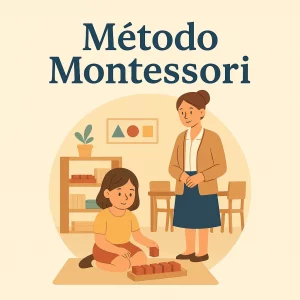
In a Montessori classroom, you might find a teacher who has carefully adapted the shelves to make resources easily accessible for children. Imagine a classroom where shelves hold various educational tools, organized not by subject but by a child’s developmental needs and interests. For example, a child may spend hours engaged with math beads one day and switch to art the next, fueled by their intrinsic motivation. This freedom fosters not merely learning but a love for learning.
Montessori Materials and their Impact
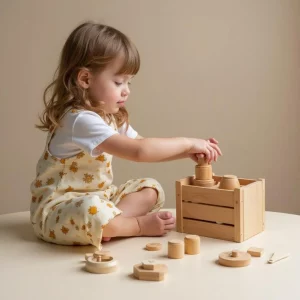
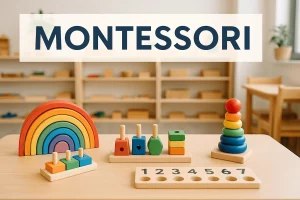
Montessori materials are designed to be tactile and engaging, allowing students to explore concepts in a hands-on way. In a typical Montessori classroom, you may see a child working with a set of geometric solids. By manipulating these shapes, they not only learn about geometry but also develop fine motor skills and spatial awareness. The sensory experience deepens their understanding and makes abstract concepts tangible. This emphasis on experiential learning aligns with the Montessori philosophy of allowing children to learn at their own pace, ensuring thorough understanding and self-regulation.
Emotional Development Through Montessori
Beyond academics, Montessori education places a significant emphasis on emotional development. Understanding and managing emotions play a crucial role in a child’s overall development and success. Within the Montessori framework, children learn to express their feelings and manage conflicts in a supportive environment.
Encouraging Self-Regulation
A key aspect of emotional development in Montessori education is the focus on self-regulation. When children are permitted to choose their activities, they’re also tasked with managing their time and emotional responses. For example, when a child faces frustration while attempting a challenging puzzle, a Montessori teacher intervenes gently, guiding them through problem-solving while encouraging resilience. This process teaches the child not only to persist through difficulties but also helps them recognize and articulate their feelings, which is a critical social skill.
Building Empathy and Social Skills
The multi-age classroom setup is another effective aspect of Montessori education, facilitating natural social interactions and relationships among peers. For instance, older children often assist younger ones with various tasks or lessons, nurturing empathy and sensitivity to others’ needs. Such interactions help cultivate a community vibe where collaboration is encouraged, ultimately enhancing children’s communication skills and friendships.
The Benefits of Montessori Education
Montessori education equips children with invaluable skills for lifelong success. It fosters emotional intelligence, encourages creativity, and develops a profound sense of independence. The combination of a thoughtfully designed environment, self-directed learning, and the guidance of dedicated educators creates the perfect foundation for children to thrive.
Exploring Further Resources
As parents and educators seek to embark on this transformative journey, a comprehensive guide can provide the insights needed to implement Montessori practices effectively, such as our guía completa sobre la pedagogía Montessori and the introducción a la pedagogía Montessori. Both are great starting points for understanding the nuances of the method and how it can be adapted for home and school.
Concluding Thoughts
The Montessori method stands out as a profoundly enriching approach to education that emphasizes creativity, independence, and emotional growth. As parents or educators interested in exploring this powerful method, it’s essential to consider how to incorporate its principles into daily life. For those searching for local guidance, tools like the Montessori locator can help connect families with resources in their area. Moreover, as you continue the journey through Montessori education, be sure to stay updated and engaged with fresh insights, such as those presented in the latest articles available at Montessori Maria.