Introduction
In today’s fast-paced world, parents are continuously seeking the best educational pathways for their children. A popular search phrase, “Montessori near me” or “Montessori school near me,” is often typed into search engines by parents globally hoping to find local Montessori institutions that embody this child-centered educational approach. At Montessori Maria, we support these efforts with a unique Montessori locator tool, ensuring parents can find the best Montessori schools in their area, such as our detailed listings in Terni, Umbria at Montessori School Terni, Umbria.
Creating a Montessori Home Environment
The Montessori philosophy begins at home. Creating a supportive environment encourages independence and fosters a love for learning. Parents can adopt core Montessori principles by observing their children’s interests and tailoring their home setting to facilitate exploration.
Montessori-inspired Kitchen Space
Imagine a family creating a Montessori-inspired kitchen where children can safely and independently engage in food preparation. Low countertops allow children to wash vegetables or mix ingredients while using real utensils rather than plastic toys. For instance, a three-year-old may delight in making a simple salad with minimal assistance, establishing a sense of accomplishment. This approach aligns with the Montessori principle of fostering independence and self-sufficiency. The learning experience extends from practical life skills to understanding nutrition and food preparation.
Adapting the Shelves for Independence
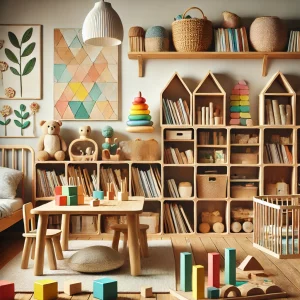
In a Montessori home, access to materials promotes independence. Parents can adapt shelves to be at child height, ensuring that books and toys are within reach. For example, a parent might set up a shelf with a variety of books categorized by themes: animals, seasons, and cultures. This allows a child to choose their reading material freely, encouraging decision-making and fostering a love for literature.
Montessori-inspired Play Areas
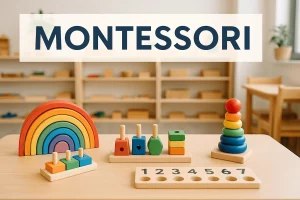
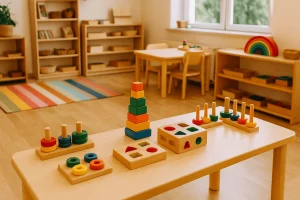
A child’s play area can also reflect the Montessori principles of order and beauty. Using natural materials, such as wood and fabric, can create an inviting atmosphere. For instance, a play area with a serene color palette and activities organized by purpose can support a child’s focus and concentration. Parents can rotate these activities to maintain engagement and inspire creativity.
Montessori School Environment
Transitioning from home to school, the Montessori approach continues to empower children by fostering an engaging and collaborative learning environment. Montessori schools provide diverse materials and hands-on activities designed to cater to individual learning pacing.
Personalized Learning Through Choice
In a Montessori classroom, students choose their activities, allowing them to take ownership of their learning. For example, a teacher might introduce a group project on ecosystems where students can select their preferred flora or fauna to research. This method of choice increases engagement and cultivates critical thinking as the student takes responsibility for their learning outcomes.
Collaborative Learning Experiences
Collaborative learning is another hallmark of Montessori education. Older children often mentor younger ones, promoting a community of learners. For example, in a mixed-age classroom, a five-year-old may learn from an eight-year-old as they partner to work on a mathematics challenge. This not only enhances the older child’s self-regulation skills but also encourages the younger child to develop problem-solving strategies.
Emotional Development in Montessori Classrooms
Montessori education also emphasizes emotional development, guiding children to become emotionally intelligent and socially adept individuals. Programs often teach conflict resolution, self-regulation, and empathy through real-world scenarios.
Self-Regulation through Freedom and Delay of Gratification
In a Montessori classroom, children engage in activities that promote self-regulation. For example, when a child is encouraged to tidy up their workspace before moving on to a new task, they learn the importance of finishing what they start. This practice helps to develop patience and delay of gratification—skills essential for lifelong success.
Building Empathy
Empathy emerges in collaborative settings, where children learn to appreciate different perspectives. For instance, role-playing exercises can help students navigate social situations, fostering an understanding of feelings and reactions. A child might comfort a peer during a disagreement, illustrating the empathetic lessons absorbed within a Montessori environment.
Visit Montessori Maria for More Resources
For those parents and educators interested in diving deeper into this transformative approach to education, consider reading our guía completa sobre la pedagogía Montessori or an introducción a la pedagogía Montessori. Additionally, the Montessori Maria platform and its AI assistant MarÍA offer further guidance and support.
Conclusion
In conclusion, Montessori education presents a unique and invaluable pathway for nurturing independence, emotional development, and lifelong learning. Whether through home environments that reflect the principles of “educacion Montessori” or schools committed to fostering autonomy and collaboration, the benefits are boundless. As many parents search for options with queries like “Montessori school near me” and “Montessori near me,” they can rest assured that exceptional resources are available, offering direction and support throughout this educational journey. Explore our site for further insights, and embrace the Montessori philosophy today!