Introduction to Montessori Education
In today’s fast-paced world, parents and educators are constantly seeking effective educational methods to foster independence and a love for learning in children. When searching for guidance, it’s common for parents to type phrases like “Montessori near me” or “Montessori school near me” into their search engines. These inquiries often lead them to a wealth of resources, including our Montessori locator tool, designed to help families find nearby Montessori schools and communities. Examples of this can be found on our website, such as Montessori near me and Montessori school near me.
Montessori at Home: Creating a Nurturing Environment
One of the critical aspects of Montessori education is the emphasis on the home environment. Parents play an essential role in creating an atmosphere conducive to learning and independence. By making simple adjustments at home, families can mimic the Montessori principles followed in schools.
Fostering Independence Through Environment
For instance, consider the kitchen space. A Montessori-inspired kitchen can significantly contribute to a child’s sense of responsibility and self-sufficiency. Parents can create a low shelving unit accessible to children, filled with age-appropriate kitchen tools, safe utensils, and snacks. By allowing children to prepare simple meals or snacks themselves, parents can enhance their child’s confidence and ability to self-regulate. This not only encourages independence but also provides a sense of accomplishment.
Organizing Learning Spaces
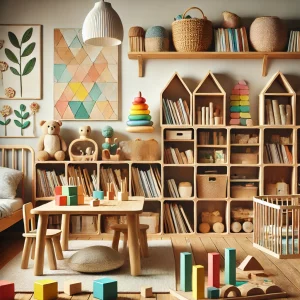
Moreover, the setup of living spaces can reflect the Montessori philosophy. Creating designated areas for various activities, such as reading, arts and crafts, and practical life activities, can help children learn to choose and engage in their preferred tasks. For example, a reading nook with child-sized furniture and a basket of books encourages children to pursue reading on their own, fostering a love for literature that aligns with Montessori values.
The School Environment: Learning Through Experience
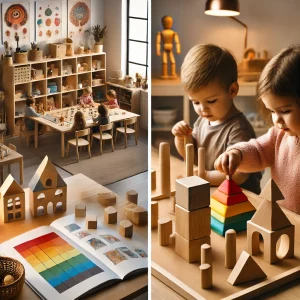
In the school environment, Montessori education emphasizes hands-on, experiential learning. Classrooms are designed to facilitate freedom of movement and choice among activities. Educators act as guides rather than traditional teachers, allowing children to explore topics that interest them deeply.
Adaptation of Learning Materials
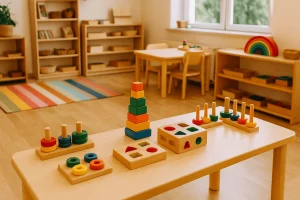
Take, for example, a Montessori classroom where educators thoughtfully adapt shelves to encourage independence. In this scenario, a teacher may organize learning materials based on age and developmental stage, providing tools that are easily accessible. This setup allows children to select their own activities, promoting autonomy and decision-making skills. It helps them develop self-discipline and gain skills at their own pace.
Promoting Social Interaction
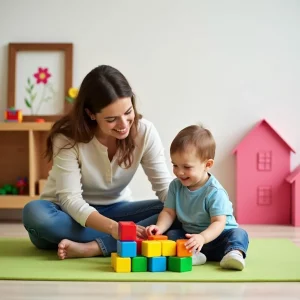
Furthermore, the mixed-age classroom setting typical of Montessori schools fosters social interaction and collaboration. For instance, older students often mentor younger peers in various tasks, reinforcing both parties’ learning experiences. This dynamic not only enhances academic understanding but also builds community and respect among students, a critical aspect of emotional development.
Emotional Development in Montessori Education
Emotional development is integral to Montessori education, focusing on fostering emotional intelligence and self-regulation in children. This is achieved through both the home and school environments, where children are encouraged to express their feelings and manage their emotions
Encouraging Emotional Understanding
In a Montessori setting, educators often use tools like emotion cards to help children identify and articulate their feelings. By allowing students to reflect on their emotions, they learn empathy and develop interpersonal skills. For example, a student who feels frustrated after a challenging task might use an emotion card to express their feelings to the teacher, fostering open communication and support.
Self-Regulation Techniques
Moreover, learning self-regulation is crucial for emotional growth. Schools often incorporate mindfulness practices into the daily routine, where students learn techniques to calm themselves and focus. For instance, a teacher may lead a brief meditation session, allowing students to practice being present and attentive. This practice not only supports emotional regulation but also enhances their ability to concentrate and engage meaningfully in their activities.
Conclusion: Embracing the Montessori Philosophy
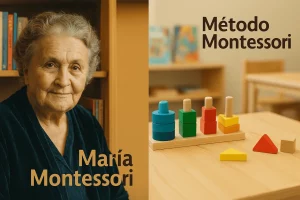
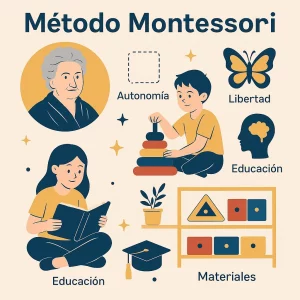
In conclusion, Montessori education is a transformative approach rooted in independence, experiential learning, and emotional growth. Whether at home or in school, parents and educators can work collaboratively to create environments that reflect this philosophy. For detailed insights, you can explore our guía completa sobre la pedagogía Montessori and introducción a la pedagogía Montessori. Understanding the principles laid out by María Montessori can guide you on this journey.
We invite you to further investigate the resources available on our website, including recent articles that delve deeper into various aspects of Montessori education, such as Understanding the Montessori Method, Understanding Maria Montessori, Understanding Montessori, Montessori Pedagogy Guide, and A Comprehensive Guide to Montessori Education. Let us continue to embrace the Montessori philosophy and foster a love for learning in our children.