Introduction to Montessori
As a parent, you may have found yourself searching online for phrases like “Montessori near me” or “Montessori school near me,” hoping to discover a nurturing educational environment for your child. The good news is that our website offers a helpful search and guide section for locating Montessori-inspired learning around the world. You can start your journey by visiting Montessori near me and find schools or resources that fit your needs. Montessori learning is more than a mere school system; it encompasses a philosophy that empowers children to explore, learn, and grow independently.
What is Montessori Education?
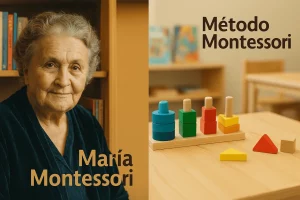
Montessori education, developed by María Montessori in the early 1900s, is based on the understanding of how children learn best. It promotes an environment where children are encouraged to take the initiative in their learning processes, focusing on individual interests and abilities. The approach is designed to foster independence, critical thinking, and a genuine love for learning, allowing children to develop at their own pace. By integrating real-life experiences with structured learning, the Montessori method provides a balanced educational experience.
The Principles of Montessori Learning
The foundation of the método Montessori rests on several core principles:
1. Child-Centered Learning
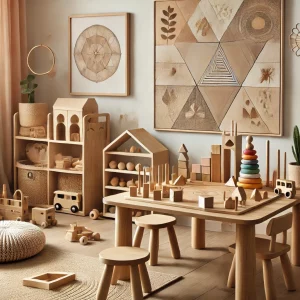
At the heart of Montessori education is the belief that children are naturally curious and eager to learn. The learning environment is carefully prepared to reflect this curiosity, filled with hands-on materials that stimulate exploration and discovery. For example, a child may engage with a sensory bin filled with sand and different objects, encouraging inquiry and tactile learning.
2. Mixed-Age Classrooms
Another characteristic of Montessori learning is the mixed-age classroom, where children of varying ages learn together. This setting helps younger children aspire to the skills of older peers while allowing older children to reinforce their knowledge by teaching concepts to younger classmates. It’s a community where collaboration and mutual respect flourish.
3. Respect for the Child
Montessori education emphasizes respect for the child as an individual. Teachers, referred to as guides, facilitate learning rather than direct it. This trust in children to follow their interests promotes confidence and aids in developing a strong sense of self. In essence, the educational journey is a partnership between the child and the guide.
Real-Life Montessori Experiences
To further understand the Montessori approach, let’s look at a couple of real-life situations. Take the Johnson family, for instance. When they first stumbled upon Montessori education, they were struggling to manage their five-year-old son’s reluctance to attend preschool. Each morning was a battle, filled with tears and protests. One day, they decided to visit a local Montessori school. The open classroom and the children’s focus on self-directed activities intrigued them.
Upon enrolling their son, they noticed a significant change. He began to thrive in an environment that encouraged independence and decision-making. Instead of being forced into structured activities, he had the freedom to explore, choose, and engage in tasks that resonated with him. The Johnsons even began integrating Montessori principles at home, allowing him to help with meal preparation and manage his own playtime. This newfound autonomy not only made him more confident but also instilled a love for learning that they had hoped for.
In another instance, the Garcia family found themselves struggling with their daughter’s growing independence. At the age of three, she expressed a desire to dress herself, but her parents often intervened, leading to frustration on both sides. After learning about Montessori principles, they decided to adopt a more supportive approach.
They created a designated area where their daughter could choose her clothes, taking care to provide outfits that were easy for her to manage. They also encouraged her to make choices, celebrating every little success. This shift not only eased the morning chaos but also empowered their daughter to take ownership of her actions, reinforcing her self-esteem and decision-making skills.
Finding Montessori Schools Near You
If you’re inspired by these stories and are considering a Montessori education for your child, you might be wondering where to start. Our website includes a comprehensive search tool that can help you locate quality Montessori schools and programs tailored to your child’s needs. Simply visit Montessori near me, and you’ll have access to a directory of schools worldwide.
Montessori Resources for Parents
In addition to helping you find schools, our website is a treasure trove of resources designed to support parents navigating the Montessori landscape. From books and articles to community forums, you’ll find a wealth of information. For instance, our guide on pedagogía Montessori is an excellent starting point for understanding how this approach can transform both classroom and home environments.
Meet MarÍA, Your Montessori AI Assistant
To further assist you in your Montessori journey, we also have an AI assistant named MarÍA on the Montessori Maria website. MarÍA is specially trained in Montessori methodology and is ready to answer your questions, provide helpful resources, and guide you through the intricacies of Montessori education. Whether you’re a newbie or have some experience, MarÍA is here to help!
Conclusion
In conclusion, Montessori education offers a holistic approach to learning that values independence, respect, and the child’s natural curiosity. By embracing its principles, you can foster an enriching environment for your child that promotes not just academic success, but personal growth as well. Start your exploration by visiting Montessori near me and discover the possibilities that await. Remember, the journey into Montessori is a beautiful adventure that will shape both you and your child in wonderful ways!