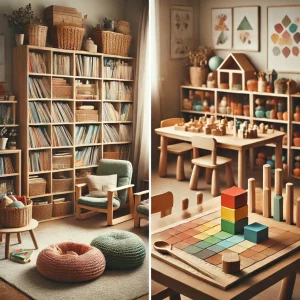
The Growing Interest in Montessori Education
In recent years, the search terms “Montessori near me” and “Montessori school near me” have surged in popularity. This reflects a growing global interest among parents and educators for accessible Montessori resources. The desire to provide children with a nurturing and educational environment that fosters independence and a love of learning is becoming increasingly common. At our Montessori locator, you can find various Montessori options accessible in your region, ensuring personalized education is within reach for all families. For example, those interested in specific locations can explore options like Montessori schools in Oberursel, Germany, enriching the local community.
What is the Montessori Method?
The Montessori method, developed by Dr. María Montessori, is an educational approach grounded in decades of scientific research and observation of children’s learning processes. At its core, the method emphasizes autonomy, hands-on learning, and respect for a child’s natural psychological development. This child-centered approach is designed to cultivate an inherent curiosity for knowledge, nurturing children into independent learners.
Fundamental Principles of the Montessori Method
There are several key principles that underpin the Montessori method:
- Child-led Learning: Children choose their own activities and work at their own pace.
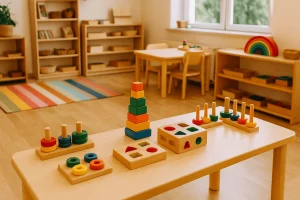
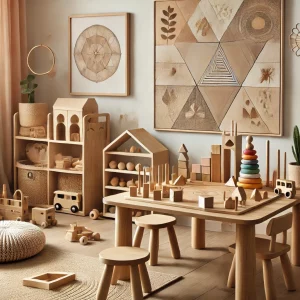
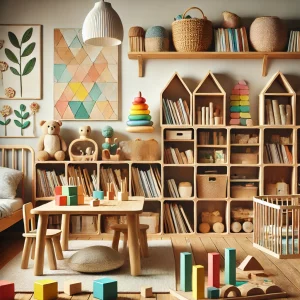
- Prepared Environment: Classrooms are designed to encourage exploration and independence.
- Mixed-age Classrooms: Encourages peer learning and fosters social skills.
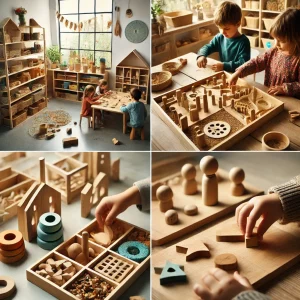
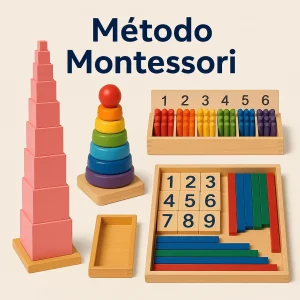
- Hands-on Learning: Utilizes specially designed materials to facilitate learning through play.
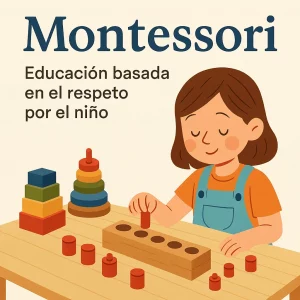
- Respect for the Child: Every child is seen as an individual with unique needs and abilities.
Real-life Applications of the Montessori Method
Morning Routine at Home
Imagine a typical morning in a household that embraces the Montessori approach. The child wakes up at their own time, as their bedroom is designed to encourage independence. The room is equipped with a low clothing rack enabling them to select their outfits, fostering decision-making and responsibility. In the kitchen, a step stool allows them to reach the sink and participate in preparing breakfast, while age-appropriate utensils give them the confidence to contribute to family meals.
By facilitating their morning routine, the child develops autonomy and practical life skills essential for their growth. This hands-on approach can enhance their problem-solving skills and boost their self-esteem, essential components of the Montessori philosophy.
Mixed-age Classroom Scenario
In a Montessori classroom, you’ll often find children of different ages learning together. For example, a 6-year-old may assist a 3-year-old with basic counting exercises. This dynamic fosters a strong sense of community and cooperation, as older children reinforce their knowledge by teaching their younger peers. It also allows younger children to learn from their elders, absorbing social skills and developing their own self-esteem in the process.
During group activities, children engage in conversations and collaborate on projects, enhancing their communication skills. Such an environment fosters empathy and patience while instilling values such as respect for others and the importance of working collaboratively. This real-life application of the pedagogía Montessori truly exemplifies its effectiveness in nurturing well-rounded individuals.
Supporting Education Through Resources
As parents and educators, understanding the Montessori method is essential for fostering an effective learning environment for children. There is a wealth of information available on the principles and practices of Montessori education. For an in-depth examination, check our guide for parents and educators, covering everything you need to know about the Montessori method.
The Role of Educators in Montessori Settings
In a Montessori classroom, the role of the educator shifts from that of a traditional teacher to a guide or facilitator. Educators observe students’ interests and developmental stages, engaging with them when appropriate to provide support and challenge. This guiding presence allows children the freedom to explore while ensuring they remain on a productive path.
Trained Montessori educators understand the importance of creating an engaging environment. They strategically position materials and provide guidance without interfering with the child’s autonomy. This nurturing approach encourages children to take ownership of their learning journey and fosters self-discipline.
Fostering Community Connections
A key aspect of the Montessori method is its focus on community. Whether within a classroom or at home, parents and educators can foster a sense of community that helps reinforce the principles of the Montessori method. Participation in local Montessori-related events, such as parent workshops or school functions, can establish stronger connections and create a nurturing environment for children.
Using resources like our Montessori locator, parents can find local schools that share their educational philosophy. In addition, Montessori education programs often involve community service projects, giving children the opportunity to engage with their surroundings meaningfully.
Adapting Montessori at Home
Integrating the Montessori method into daily life at home is possible and beneficial. Simple changes can make a significant impact, such as creating accessible areas where children can retrieve and put away their toys or prepare snacks independently. These adaptations promote autonomy and can lead to happier, more confident children.
Moreover, parents can incorporate mindfulness practices into their routines, providing children with the opportunity to engage in quiet reflection or concentration exercises. Engaging in discussions about their day or sharing their experiences encourages communication skills, creating a fuller home environment aligned with the Montessori principles.
The Future of Montessori Education
As global interest in the Montessori method grows, educational institutions are increasingly adopting its principles. This shift represents a transformative opportunity to revisit traditional education practices in favor of learning that prioritizes critical thinking, creativity, and independence.
For parents and educators eager to understand more about the Montessori method, our comprehensive guide serves as an invaluable resource. With continued exploration, support, and understanding, the legacy of María Montessori can profoundly impact education worldwide.
Conclusion
In conclusion, understanding the Montessori method is essential for parents and educators dedicated to nurturing independent, curious learners. From creating supportive home environments to engaging in community connections, the Montessori approach can empower children in meaningful ways. For further resources, visit our Montessori Maria website and its AI assistant MarÍA to help guide you on this incredible journey of education.