The Montessori Method: A Global Demand for Accessible Resources
In recent years, searches like “Montessori near me” and “Montessori school near me” have surged, demonstrating a growing interest among parents and educators in exploring the Montessori method. This reflects a global need for accessible Montessori resources that promote a unique approach to education focused on the developmental needs of children. Our website offers a Montessori locator to help guide families to local Montessori programs and schools, including examples from around the world, such as Oberursel, Germany.
Understanding the Montessori Method
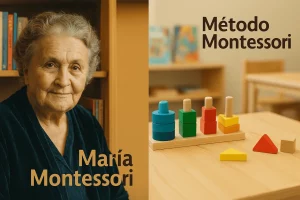
The Montessori method, developed by Dr. María Montessori, emphasizes child-led learning, fostering independence, and respect for a child’s natural psychological, physical, and social development. This child-centered educational approach allows children to explore and learn at their own pace in a prepared environment designed to facilitate their growth. To delve deeper, todo lo que necesitas saber sobre el método Montessori can offer comprehensive insights.
Fundamental Principles of Montessori Education
At the core of the Montessori method are several fundamental principles:
- Respect for the Child: Every child is seen as an individual with unique strengths and abilities. Their interests and pace of learning are respected.
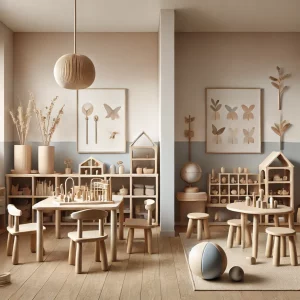
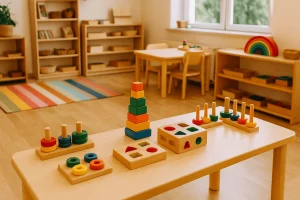
- Prepared Environment: Classrooms and learning environments are meticulously organized to encourage exploration and independence. Materials are provided to match developmental stages.
- Learning by Doing: Hands-on activities are crucial. Children learn best when they can experiment and engage directly with their environment.
- Mixed-Age Classrooms: Children learn from each other in a mixed-age setting. Older children reinforce their learning by teaching younger peers.
Applying Montessori Principles at Home
Parents can integrate the Montessori method into their daily routines at home. For instance, think about a morning routine. Instead of rushing children to get dressed, a Montessori approach would allow them to choose their clothes from a prepared wardrobe. This not only fosters independence but also encourages them to take responsibility for their own choices. Set up a low clothing rack with accessible options, so children can freely select what they want to wear, thus starting their day with a sense of autonomy and pride.
Morning Routine with Montessori Autonomy
Imagine a typical morning: a child wakes up and walks to their prepared wardrobe. They explore their clothing options, review their choices, and select an outfit they feel comfortable in. This simple act of selection empowers them and enhances their decision-making skills. Next, they might prepare breakfast, where age-appropriate kitchen tools are available, allowing them to pour their own cereal or spread butter on toast independently. Such routines not only build confidence but also establish a sense of order and responsibility in the home.
Montessori in the Classroom
In a Montessori school setting, classrooms are designed to cater to different age groups, usually spanning three years. This setting fosters collaboration and peer learning. Older children mentor younger ones, reinforcing their own understanding through teaching. A real-life scenario could involve a classroom where a five-year-old shares their knowledge of number rods with a three-year-old. As they work together, the older child may explain how to build larger numbers, while the younger child engages in hands-on manipulation of the rods to understand the concept visually and tangibly.
Mixed-Age Classroom Scenario
In this mixed-age classroom, learning becomes a community endeavor. The teacher observes these interactions but does not intervene unless necessary, allowing authentic exchanges to occur. This approach fosters not just academic learning but also social skills, empathy, and teamwork. Children feel valued and respected, promoting a positive learning environment. To learn more about the benefits of this approach, you can check our detailed overview of pedagogía Montessori.
The Impact of Montessori Education
The impact of the Montessori method is broad and multi-faceted. Schools that employ Montessori principles tend to foster a love for learning, self-discipline, and a sense of community among students. Research has shown that children who experience Montessori education demonstrate greater social and cognitive skills compared to their peers in traditional settings.
Real-World Implications
Consider a study where Montessori students performed significantly better on standardized tests than those from conventional schools. Their capacity for independent thinking, problem-solving, and adaptability are notable traits nurtured by the Montessori approach. This illustrates the long-term benefits of the method not only in academic performance but also in personal development. For parents and educators wanting to explore these findings further, this comprehensive guide can provide valuable insights.
Embracing the Montessori Method at Home and School
Integrating Montessori principles into both home and school settings amplifies their effectiveness. Parents can adopt elements of the Montessori approach by creating an environment that encourages exploration and supports independence. This could be simple steps like providing children with tools they can use safely and readily, allowing them to engage in activities that promote their learning.
Utilizing Montessori Resources
To assist in this journey, families can utilize resources such as our Montessori Maria website and its AI assistant MarÍA, which provides personalized recommendations and insights tailored to the needs of parents and educators. With a wealth of articles, guides, and practical tips, this resource aims to illuminate the path towards embracing Montessori principles effectively.
Conclusion: Join the Montessori Movement
As the demand for Montessori education grows, it becomes increasingly vital for parents and educators to understand the foundational elements and real-life applications of the Montessori method. By fostering a learning environment that encourages autonomy and respect for children, we not only promote their educational success but also nurture their emotional and social wellbeing. For more on the Montessori approach, explore our range of articles, such as this one on child-centered learning and this comprehensive guide. Remember, searching for a place to learn is just the beginning; let “Montessori near me” guide you to a transformative educational experience.