The Growing Interest in the Montessori Method
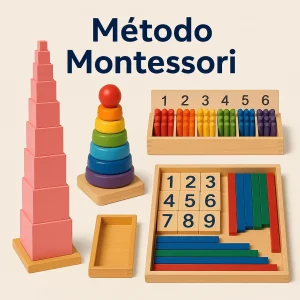
In recent years, there has been a marked increase in parents and educators searching for “Montessori near me” and “Montessori school near me.” These common search terms reflect a global need for accessible Montessori resources and education. The Montessori method, developed by Dr. María Montessori, emphasizes self-directed activity, hands-on learning, and collaborative play. For those looking to understand the intricate details of Montessori education, our Montessori locator is an invaluable resource, helping families find quality Montessori programs in their locality. You can even explore specific city examples, such as Montessori options in Oberursel, Germany.
What is the Montessori Method?
The Montessori method is an educational approach based on scientific observations of children. The core principles that underpin this method emphasize the following:
- Child-Centered Learning: Education is tailored to meet the unique needs, interests, and pace of each child. This individualized approach fosters independence and self-motivation.
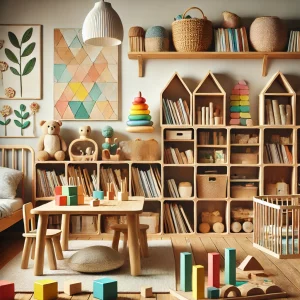
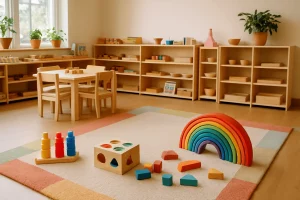
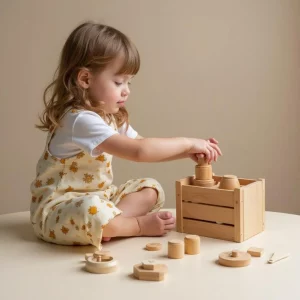
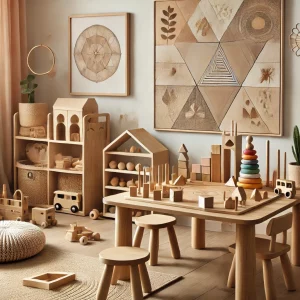
- Prepared Environment: The learning environment is designed to encourage exploration and learning via accessible materials and activities suited to various developmental stages.
- Freedom Within Limits: Children are given the freedom to choose their activities within a structured environment, promoting responsibility and self-discipline.
- Mixed-Age Classrooms: Children of different ages learn from each other and develop social skills through collaboration and peer teaching. This model reflects a more natural social setting.
Real-Life Application of the Montessori Method
Understanding how the Montessori method manifests in everyday life can further illuminate its benefits. Here, we present two real-life situations: a morning routine at home and a mixed-age classroom scenario.
Morning Routine at Home
Imagine a home where the child wakes up to a beautifully organized morning routine designed with Montessori principles in mind. The child awakens at their own pace and is encouraged to take personal responsibility for their morning activities. They may choose their clothes from a child-friendly wardrobe, facilitating independence and decision-making.
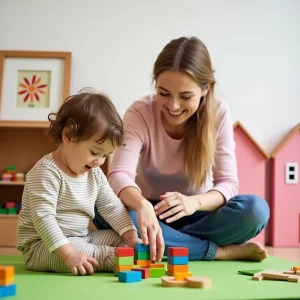
Next, the child might go to the kitchen to prepare their breakfast. In this prepared environment, they have access to age-appropriate utensils, and healthy food options are within reach, allowing them to make choices and develop skills. As they pour cereal or spread butter on toast, they practice fine motor skills while engaging in a meaningful task. This hands-on experience fosters confidence and a sense of accomplishment.
Such routines not only help the child develop autonomy but also create a positive start to the day, setting the stage for further learning and exploration.
Mixed-Age Classroom Scenario
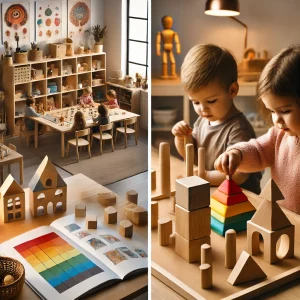
In a Montessori school setting, children of varying ages work together in a spacious and inviting classroom. Rather than being separated by age, students from 3 to 6 years old learn alongside each other. Here, older children naturally take on leadership roles, aiding younger peers in understanding new concepts and skills.
For instance, during a practical life activity, a 5-year-old may demonstrate how to correctly use scissors, while a 3-year-old eagerly observes and learns. This interaction not only helps the younger child develop confidence but also reinforces the older child’s knowledge. It creates a community of learners where collaboration and peer teaching are at the forefront, embodying the essence of the Montessori pedagogy.
Incorporating the Montessori Method at Home and in Schools
The Montessori method can be adapted effortlessly in both home and school settings. For parents, creating a Montessori-inspired environment at home involves simple changes such as:
- Designating specific areas for different activities, such as reading, art, or practical life skills.
- Providing accessible materials that cater to your child’s interests, allowing them to explore and learn at their own pace.
- Encouraging independence by allowing children to complete tasks on their own while offering guidance when necessary.
In schools, incorporating the Montessori approach involves training educators in the fundamental principles of the method, ensuring classrooms are equipped with appropriate materials, and structuring the learning environment to foster curiosity and collaboration.
The Legacy of María Montessori
María Montessori’s legacy continues to thrive as her methods adapt and evolve within modern education. For those interested in delving deeper into her life and contributions, you can explore everything you need to know about María Montessori and her educational journey.
Dr. Montessori believed that education is an aid to life, and her approach lays the foundation for not only academic success but also the development of thoughtful, empathetic individuals. This holistic view is what draws many parents and educators to seek Montessori schools for their children. Indeed, the growing interest leads many to search for Montessori options in their area, further highlighting the method’s beneficial reach.
Accessing Resources for the Montessori Method
To gain a deeper understanding of Montessori principles and how they can be applied, parents and educators are encouraged to utilize available resources. Our guide on understanding Montessori education offers insights into various educational practices and application methodologies.
Additionally, by exploring articles such as An In-Depth Guide to Montessori for Parents and Understanding Montessori Pedagogy, you can gather valuable information to support your child’s education.
The Role of Our AI Assistant
In addition to traditional learning materials, we also offer innovative resources to enhance your understanding of the Montessori method. Our Montessori Maria website and its AI assistant MarÍA can provide personalized support, answering questions and suggesting resources tailored to your needs.
By leveraging tools like these, parents and educators can refine their understanding of Montessori methods, making informed decisions that benefit the development of children. Your dedication to navigating the Montessori journey can positively shape the next generation.
Conclusion
In conclusion, the Montessori method offers an enriching educational experience that fosters independence, curiosity, and a love for learning. By exploring resources available through our website, including our detailed guides on understanding the Montessori method and its foundational principles, parents and educators are empowered to create educational environments where children can thrive. Join the growing community of those who appreciate Montessori’s transformative educational approach, and don’t hesitate to reach out for support or guidance along the way.