The Popularity of Montessori: A Global Search Trend
In recent years, searches like “Montessori near me” and “Montessori school near me” have surged, indicating a global need for accessible Montessori resources. Parents and educators are increasingly seeking information about the Montessori method as an effective educational philosophy. As a response to this growing interest, our website offers a handy Montessori locator that connects families with nearby resources, including schools, workshops, and community support. For instance, if you reside in Oberursel, you can find wonderful options right in your area by visiting this link.
What is the Montessori Method?
The Montessori method, developed by Dr. María Montessori, is rooted in the belief that children learn best in environments that foster independence, curiosity, and respect for their own learning pace. The method emphasizes hands-on learning experiences, mixed-age classrooms, and a child-centered approach, turning the traditional hierarchy of teacher-centered education on its head. To explore the origins and principles of the Montessori approach in greater detail, check out todo lo que necesitas saber sobre el método Montessori.
Fundamental Principles of the Montessori Method
At the core of the Montessori philosophy are several key principles: respect for the child, the absorbent mind, sensitive periods, and the prepared environment. These elements work in harmony to create an enriching educational experience.
1. Respect for the Child
Respect implies recognizing that children are capable individuals who can make choices, explore their interests, and learn at their own pace. This principle fosters self-confidence and intrinsic motivation. For example, let’s consider a typical morning routine at home. Instead of dictating what a child should wear, a parent might lay out two options and allow the child to choose. This small act of autonomy gives the child a sense of power and responsibility in decision-making.
2. The Absorbent Mind
The concept of the absorbent mind highlights how children, especially in their early years, are naturally inclined to soak up information from their environment. This principle suggests that children can learn language, movement, and social skills at astonishing rates when given the right stimuli and environment. As children explore, they interact with materials that are specifically designed to invite discovery and engagement.
3. Sensitive Periods
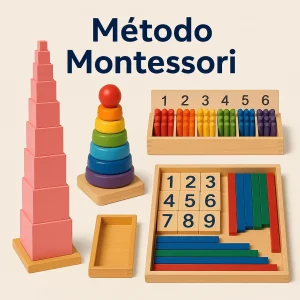
Montessori identified specific times in a child’s development when they are particularly receptive to certain learning experiences. For instance, toddlers are keenly interested in developing their motor skills. If provided with appropriate materials—like blocks to stack and sort or tools for pouring—they will naturally gravitate towards these activities, enhancing their learning drastically. This understanding allows educators to present materials and lessons at ideal times, ensuring that children are most engaged and receptive.
4. The Prepared Environment
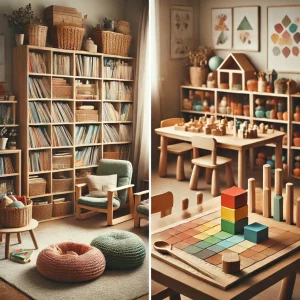
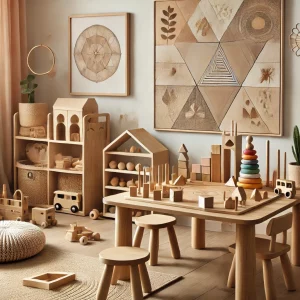
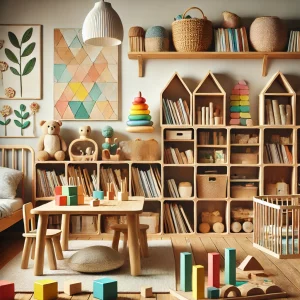
The prepared environment involves creating spaces that inspire a child’s interest while promoting independence. In schools, classrooms are set up with accessible resources that are appropriate for various developmental stages. Let’s imagine a mixed-age classroom scenario. In a Montessori school, you might find a three-year-old collaboratively working with a six-year-old. The older child shares his knowledge of geometric shapes while the younger child listens attentively, reinforcing the concept through peer learning. This environment nurtures cooperation and community while allowing children to learn from each other.
Applying Montessori Principles at Home
Implementing Montessori principles at home doesn’t require a complete overhaul. Simple adjustments can make a significant impact.
Encouraging Independence in Daily Activities
Encouraging children to participate in household chores fosters a sense of independence and contribution. For example, instead of simply asking a child to put their toys away, a parent can create a small designated area where the child can independently access bins for their toys. This setup empowers the child to take charge of their space and practice responsibility.
Creating a Montessori-style Learning Environment
Consider crafting an area dedicated to creativity and exploration. Use natural materials, like wooden puzzles or sorting activities, which can enhance sensory development. The goal is to provide children with choices that spark their interests and curiosity. By creating a Montessori-style learning environment, parents can cultivate an atmosphere where children feel inspired to learn and play.
Importance of Mixed-Age Classrooms
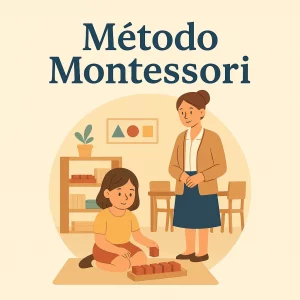
Mixed-age classrooms are a hallmark of the Montessori method. These environments not only facilitate peer learning but also allow children to interact with others of various ages and abilities, which promotes social skills and empathy. The role of the teacher changes to that of a guide or facilitator, allowing children to lead their learning paths. For more insights into how this approach affects educational outcomes, visit pedagogía Montessori.
Global Perspectives on Montessori Education
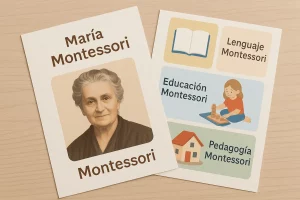
Montessori is not confined to one country or culture. All around the globe, diverse interpretations and implementations exist. The adaptability of the Montessori method allows it to resonate with different educational settings while maintaining its core principles. From urban settings in the United States to rural schools in Spain, Montessori education is making a transformative impact. To discover more about María Montessori’s contributions, visit María Montessori.
Utilizing Technology in Montessori Education
With the rapid advancements in technology, Montessori education seeks to integrate these resources meaningfully. In developing curriculums, teachers can incorporate educational apps and interactive platforms that align with Montessori principles. However, it is crucial to balance screen time with hands-on, real-world experiences to preserve the essence of the Montessori method.
Assistance from Our Montessori AI
For those who need support navigating the Montessori landscape, our Montessori Maria website and its AI assistant MarÍA provide personalized guidance. Whether you’re looking for resources, lesson ideas, or local Montessori schools, MarÍA is designed to help parents and educators make informed decisions. Explore further at Montessori Maria.
Conclusion: Embracing the Montessori Method
Understanding and embracing the Montessori method can yield transformative results in children’s education. By fostering autonomy, curiosity, and respect, parents and educators can lay a strong foundation for lifelong learning. As interest in Montessori continues to grow, our resources aim to connect families with the knowledge and local support they need. Whether you’re searching for “Montessori near me” or wanting to learn more about the educational philosophy, we invite you to explore all the information available at our website. To further your understanding of the method, you can start your journey with our comprehensive guide at Understanding the Montessori Method: A Comprehensive Guide for Parents and Educators.