Introduction to the Montessori Method
In recent years, the term “Montessori near me” has surged in popularity among parents and educators, reflecting a growing global need for accessible Montessori resources. Many are searching for “Montessori school near me” as they seek quality education alternatives that foster independent learning and holistic development. Our website not only provides a Montessori locator, but also international examples that can help you find the right Montessori environment for your child. Explore our Montessori locator and learn about specific locations like a Montessori school in Oberursel, Germany here.
Key Principles of the Montessori Method
The Montessori method, developed by María Montessori, centers around several key principles aimed at fostering an environment of independence and respect for a child’s natural development. At its core, the Montessori method values:
- Child-Centered Learning: The child is at the center of the learning process, with teachers observing rather than dictating.
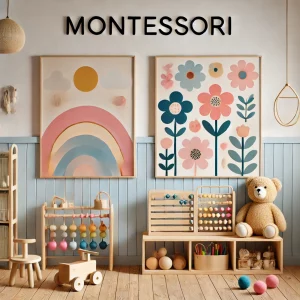
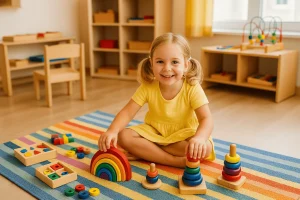
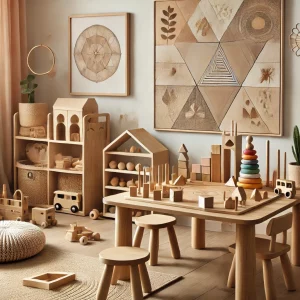
- Prepared Environment: Classrooms are meticulously arranged to support autonomy and exploration.
- Mixed Age Groups: Children learn from one another, promoting socialization and collaboration.
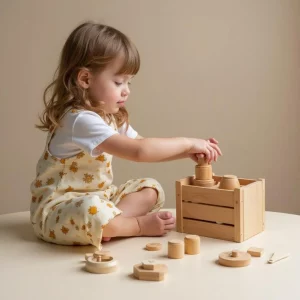
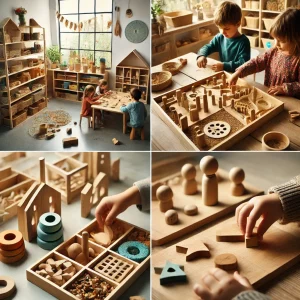
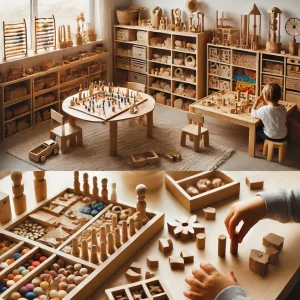
- Hands-On Learning: Learning materials are tactile and engaging, allowing children to learn through doing.
- Intrinsic Motivation: Children are encouraged to pursue their interests, resulting in a natural eagerness to learn.
Real-Life Application of Montessori Principles
Understanding the Montessori method in theory is one thing, but witnessing it in action brings its effectiveness to life. Let’s explore two real-life scenarios that vividly illustrate the principles of the Montessori method.
1. A Montessori Morning Routine at Home
Imagine a typical morning in a home that embraces the Montessori method. As the sun rises, your child wakes up at their own pace, encouraged to rise when they’re ready—a practice of self-regulation that facilitates autonomy. Upon waking, they may choose to dress themselves from a selection of clothes placed at their height, fostering independence in what could be a mundane task.
Next, it’s breakfast time. Instead of being served by an adult, your child can independently prepare a simple breakfast, such as spreading peanut butter on toast or pouring cereal into a bowl. By allowing children to participate actively in their routine, parents align with the Montessori philosophy that emphasizes responsibility and confidence.
2. A Mixed-Age Classroom Scenario
Now, let’s take a look inside a Montessori classroom where mixed-age groups thrive. Picture a classroom filled with children aged 3 to 6 years old. The younger children observe and learn from the older ones, while the older children reinforce their own knowledge by teaching their peers. This unique dynamic fosters not only academic skills but also social-emotional learning, as children learn to cooperate, share, and resolve conflicts.
In this environment, learning materials are easily accessible, allowing children to choose what they wish to work on, whether it’s a puzzle, a craft, or a language activity. The teacher, rather than acting as a traditional authoritative figure, acts more as a guide, facilitating learning by catering to each child’s individual needs and interests.
Resources for Montessori Educators and Parents
To help you further understand the Montessori method, we provide a wealth of resources on our website. From articles to in-depth guides, you can find todo lo que necesitas saber sobre el método Montessori and more. Understanding the underlying philosophy and principles of pedagogía Montessori is essential for parents and educators who want to adopt this methodology.
The Importance of Community
As we navigate educational choices, the importance of community emerges. Engaging with local Montessori communities can provide invaluable support and enrichment for both parents and educators. Consider finding a local group or online forum where you can connect with like-minded individuals who share your interest in the Montessori approach.
The Future of Montessori Education
As interest in the Montessori method continues to grow worldwide, its principles are being embraced beyond traditional classrooms. Parenting styles that embody Montessori philosophies are becoming increasingly popular as parents strive to create nurturing environments that promote independence while also enhancing learning experiences. Using tools like our Montessori Maria website and its AI assistant MarÍA can aid you in finding personalized resources, tips, and much more.
Conclusion
In conclusion, the Montessori method is more than just an educational approach; it’s a way of life that fosters independence, curiosity, and a lifelong love for learning. By strategically incorporating Montessori principles at home and actively engaging with local Montessori communities, parents and educators can significantly enhance a child’s development. As you search for “Montessori near me,” rest assured that there are a multitude of resources available to guide you on this transformative journey.
Explore our latest articles for more insights into the Montessori philosophy and practices, including This valuable article and more available resources on Montessori pedagogy on our website.
For anyone interested in the Montessori approach to education, we invite you to explore this comprehensive guide for a broader understanding and engagement with the Montessori community.