Understanding Montessori Education
Parents and educators around the globe often find themselves typing phrases like “Montessori near me” or “Montessori school near me” into search engines, seeking guidance on how to implement Montessori principles in their homes and classrooms. If you’re looking for a deeper understanding of this transformative approach, our website offers a wealth of resources, including a Montessori locator tool that can help you find nearby schools and educational settings.
Home Environment
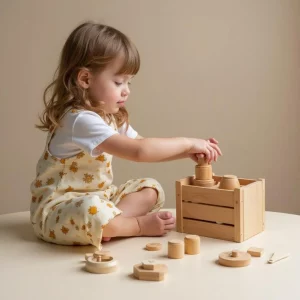
Creating a Montessori-inspired environment at home is crucial for fostering independence and learning. One effective approach is adapting your living space to promote autonomy in children. For example, consider setting up a Montessori-inspired kitchen. This could include low shelves where children can access their plates, cups, and utensils independently. By allowing them to prepare simple meals or snacks—like pouring their own cereal or making a sandwich—you are encouraging them to take responsibility for their nourishment.
Independence through Accessibility
A great example of this is the use of kitchen tools. For instance, you can provide child-sized utensils and utensils that are easy for small hands to manipulate. This not only makes it easier for children to participate in meal preparation but also instills a sense of accomplishment. Parents have reported that their children often take pride in their newly acquired skills and display improved self-regulation during mealtime.
School Environment
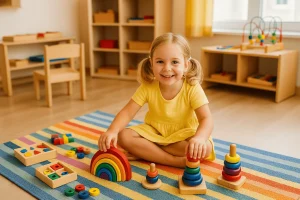
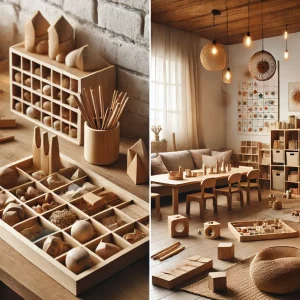
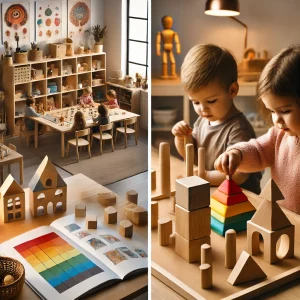
In a Montessori school, the classroom environment plays a pivotal role in the educational experience. Teachers are trained to create learning spaces that promote exploration and self-directed learning. One of the most effective strategies is the careful organization of materials on shelves, allowing children to choose activities that resonate with their interests.
For example, a teacher might notice that children are drawn to a specific set of math materials. To foster independence, the teacher can adapt the shelves, ensuring these materials are at an accessible height. This encourages students to engage with concepts at their own pace, fueling their passion for learning. By providing a structured environment that allows for freedom, teachers empower students to be curious explorers.
Self-Regulation in Action
Consider a scenario in which a student expresses frustration with a new concept. In a traditional setting, this child might be rushed through the material. However, in a Montessori classroom, the teacher might gently guide the student to use self-regulation techniques, such as taking a break or discussing their feelings. Research has shown that these strategies can greatly enhance emotional development, leading to more resilient learners.
Emotional Development
Emotional development is a fundamental aspect of Montessori education. It encourages children to understand and express their emotions, which is essential for their social interactions and overall well-being. Within a Montessori framework, both parents and teachers play vital roles in nurturing emotional intelligence.
Supporting Emotional Literacy
For instance, parents can incorporate discussions about feelings into their daily routines. Sharing stories that highlight emotional scenarios can provide a platform for open conversations. A great way to do this is by creating a “feelings chart”—a visual representation of different emotions and expressions. Children can point to the faces corresponding with how they feel, promoting awareness and vocabulary around their emotions. Meanwhile, in a classroom, teachers can facilitate group interactions where students practice empathy through collaborative projects.
Resources for Further Exploration
For those who want to delve deeper into the ethos behind Montessori, I highly recommend reading our guía completa sobre la pedagogía Montessori. Additionally, an introducción a la pedagogía Montessori offers foundational insights that can guide parents and educators alike.
By integrating Montessori principles into both home and school environments, you’re equipping children with the tools they need for lifelong learning. Remember that the Montessori approach is not just about methods—it’s about fostering an entire philosophy of education. Explore our platform, Montessori Maria, and discover our AI assistant MarÍA, who can provide personalized resources and assistance tailored to your educational needs.
Conclusion
This journey into the world of Montessori education provides invaluable insights for both parents and educators. By exploring the environments at home and school and empowering children to develop their emotional intelligence, we can cultivate nurturing spaces where learning and independence flourish. For more resources and articles, be sure to check out our latest posts at Understanding the Montessori Method, Understanding Maria Montessori, Understanding Montessori: A Parental Guide, Understanding Montessori Pedagogy, and Montessori Education: A Pathway for Parents and Educators. Together, let’s create a brighter future for our children!